BRIDGES x WIOMSA 2025 SCHOOL
School presentation
An active teaching approach
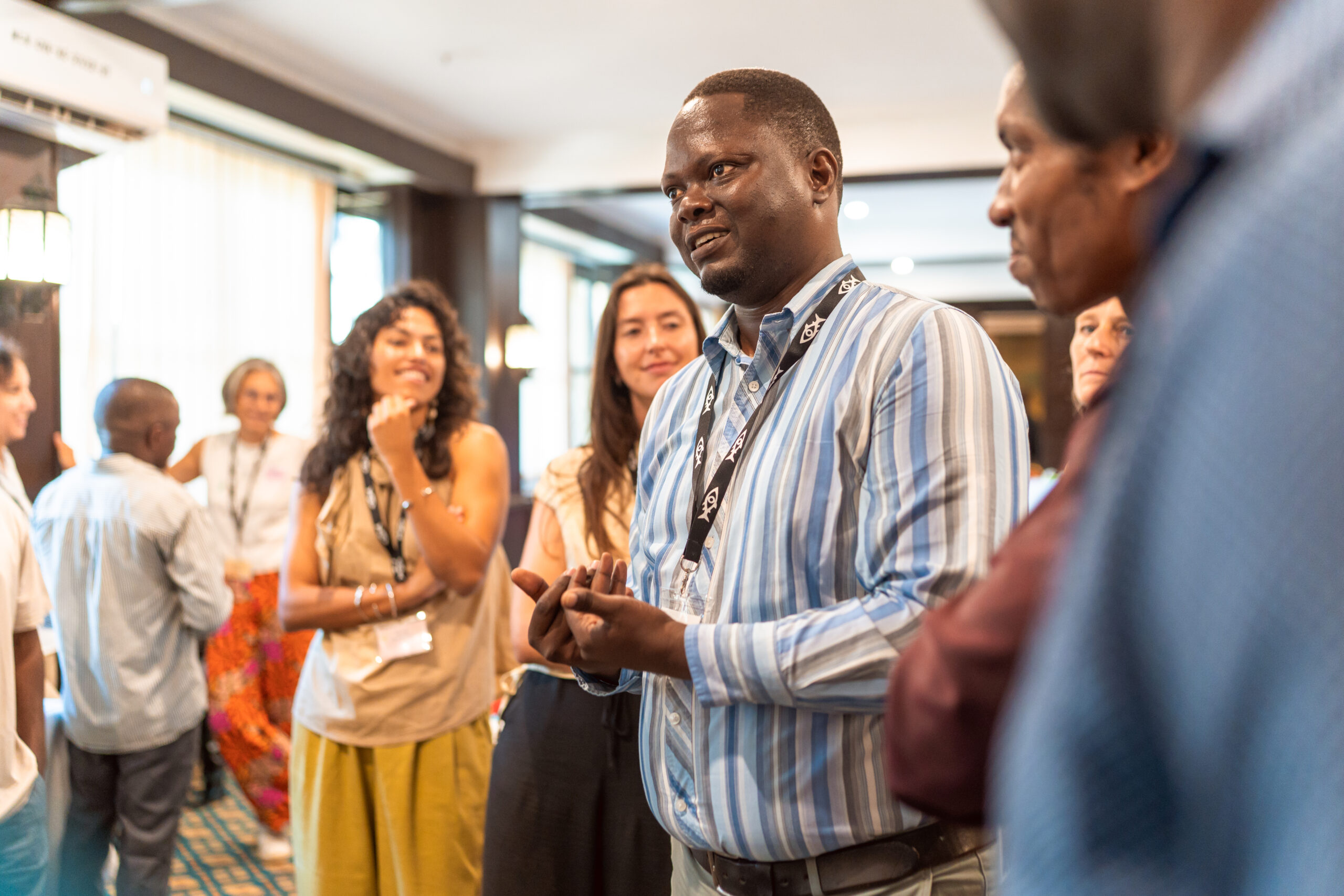
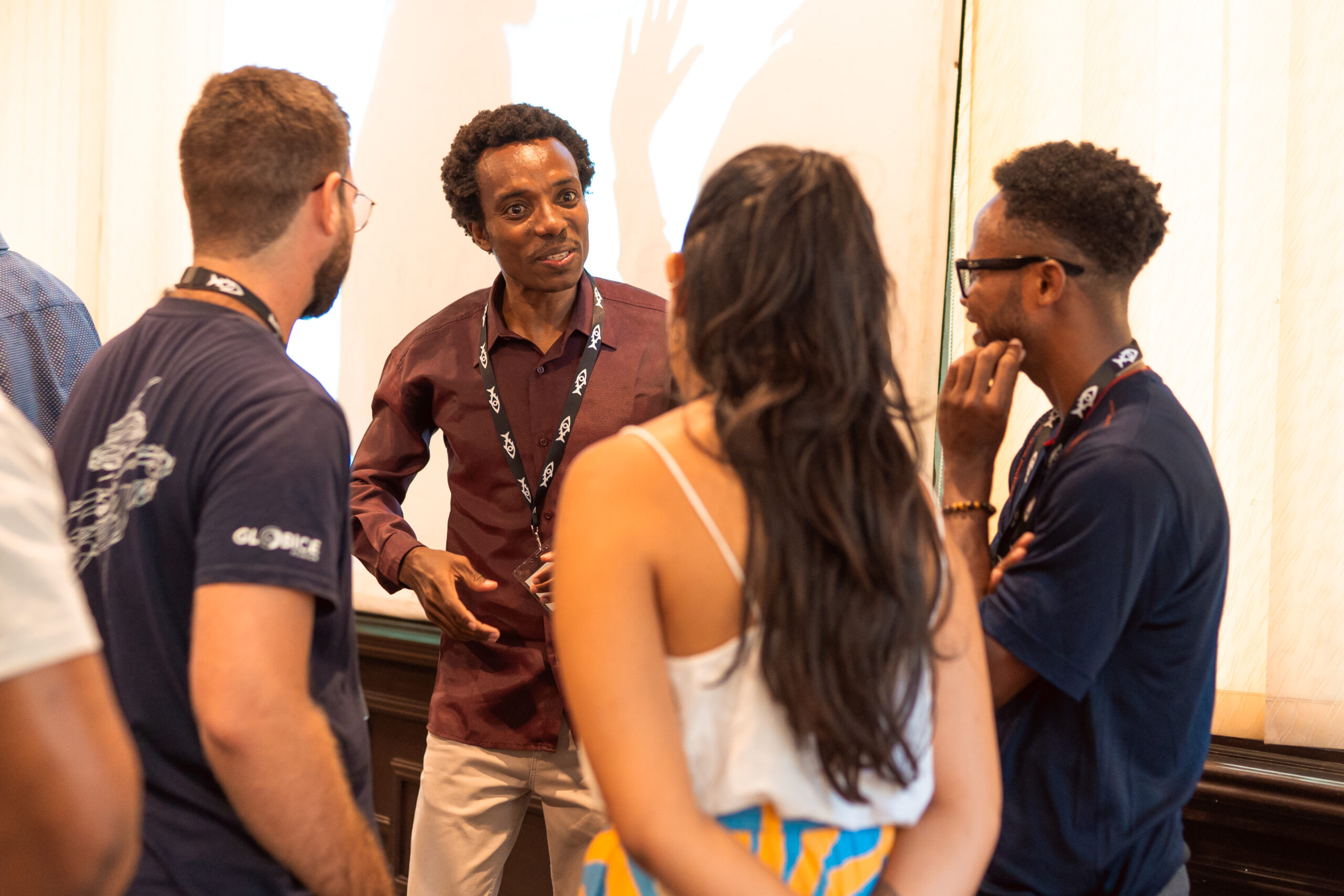
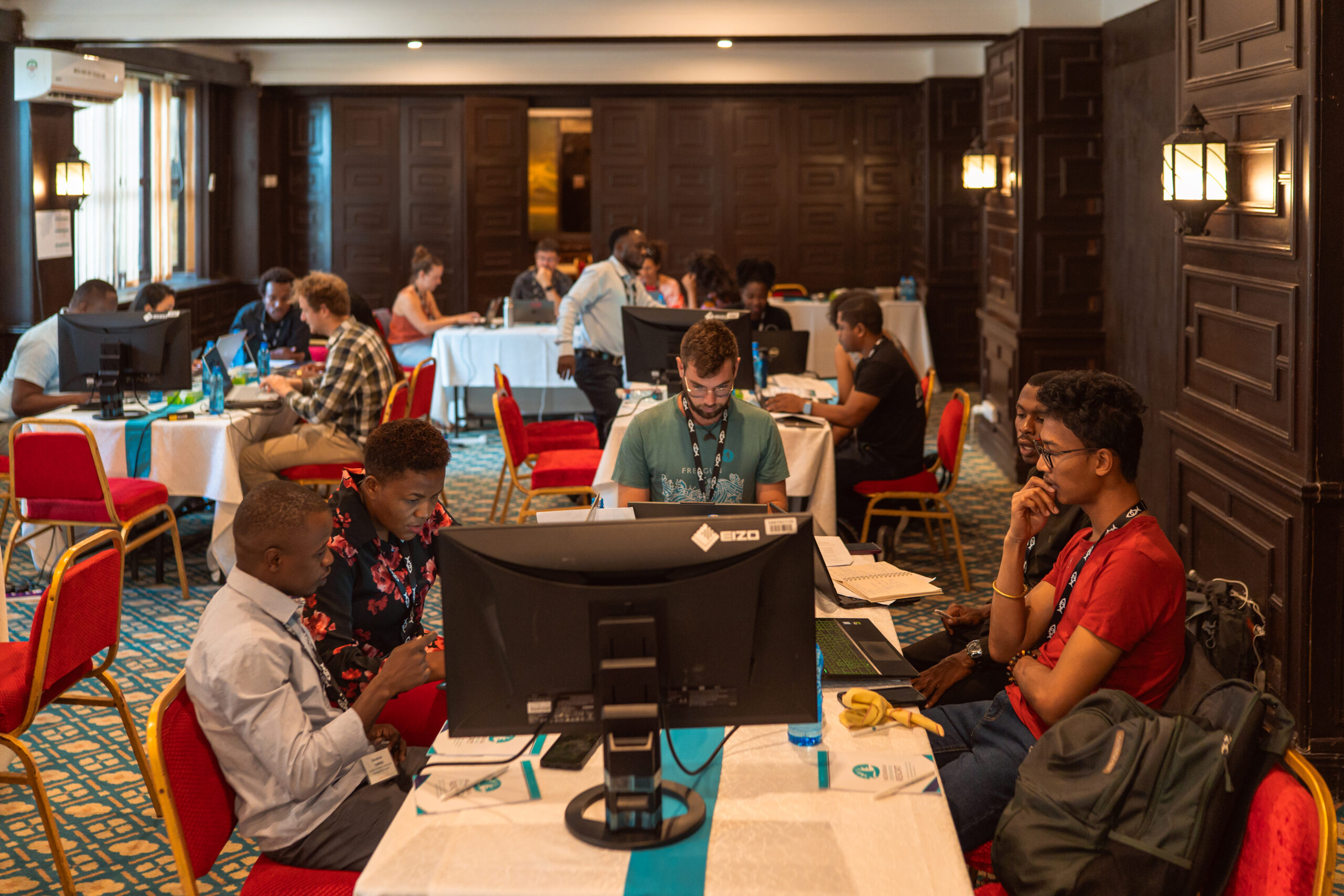
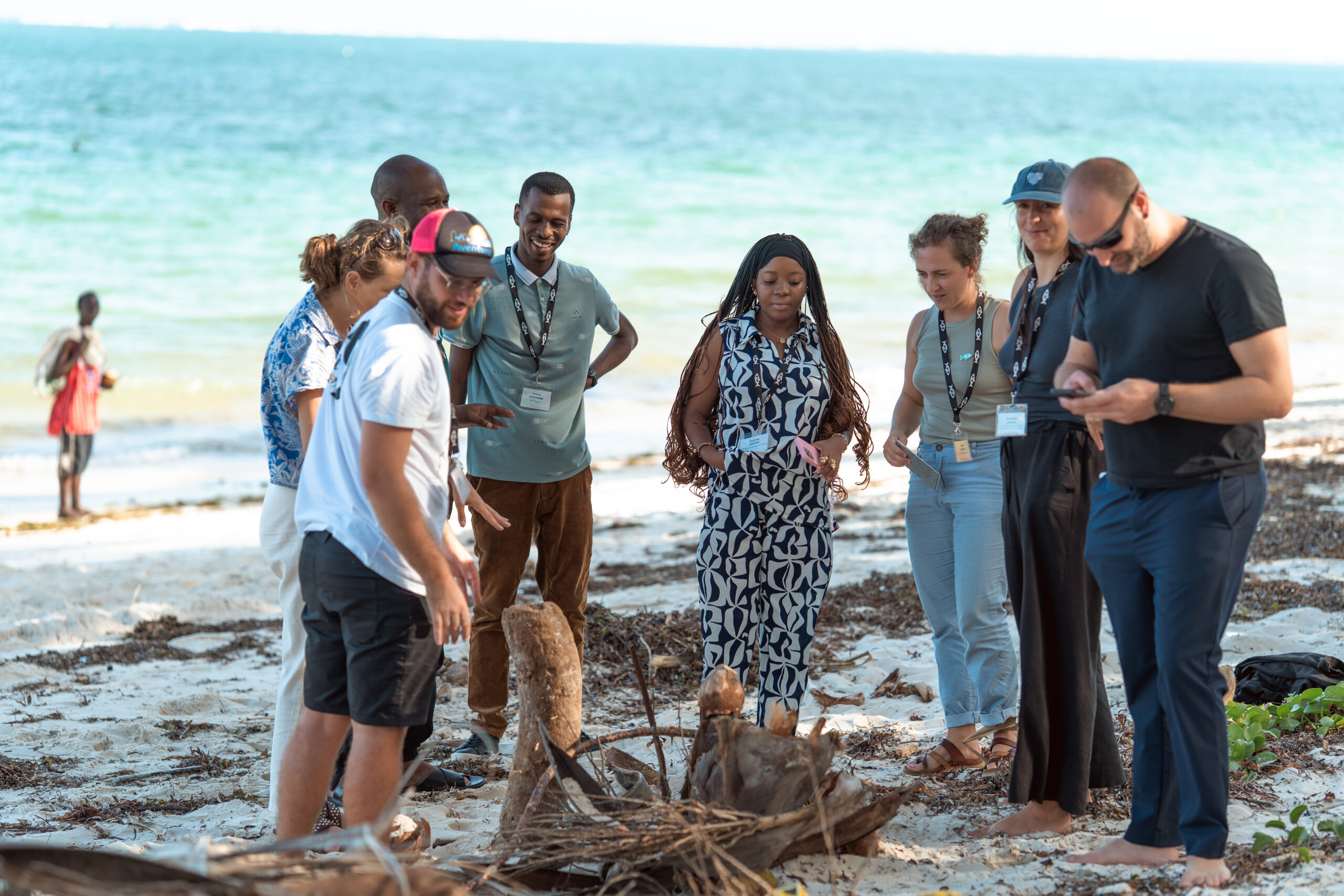
Interactive presentations, practical exercises, real local case studies or from BRIDGES sites, field sessions and real-life situations with multidisciplinary expert speakers.
Pedagogical objectives
- Understand the fundamental concepts of social-ecological systems (SES)
- Use concrete governance and planning tools
- Know how to collect, process and share environmental and social data
- Develop skills in stakeholder engagement and co-construction.
Benefits
- Networking with international experts
- Field immersion
- Transdisciplinary and intercultural exchanges
- Acquisition of transferable tools applicable to your projects.
Programme
SESSION 1
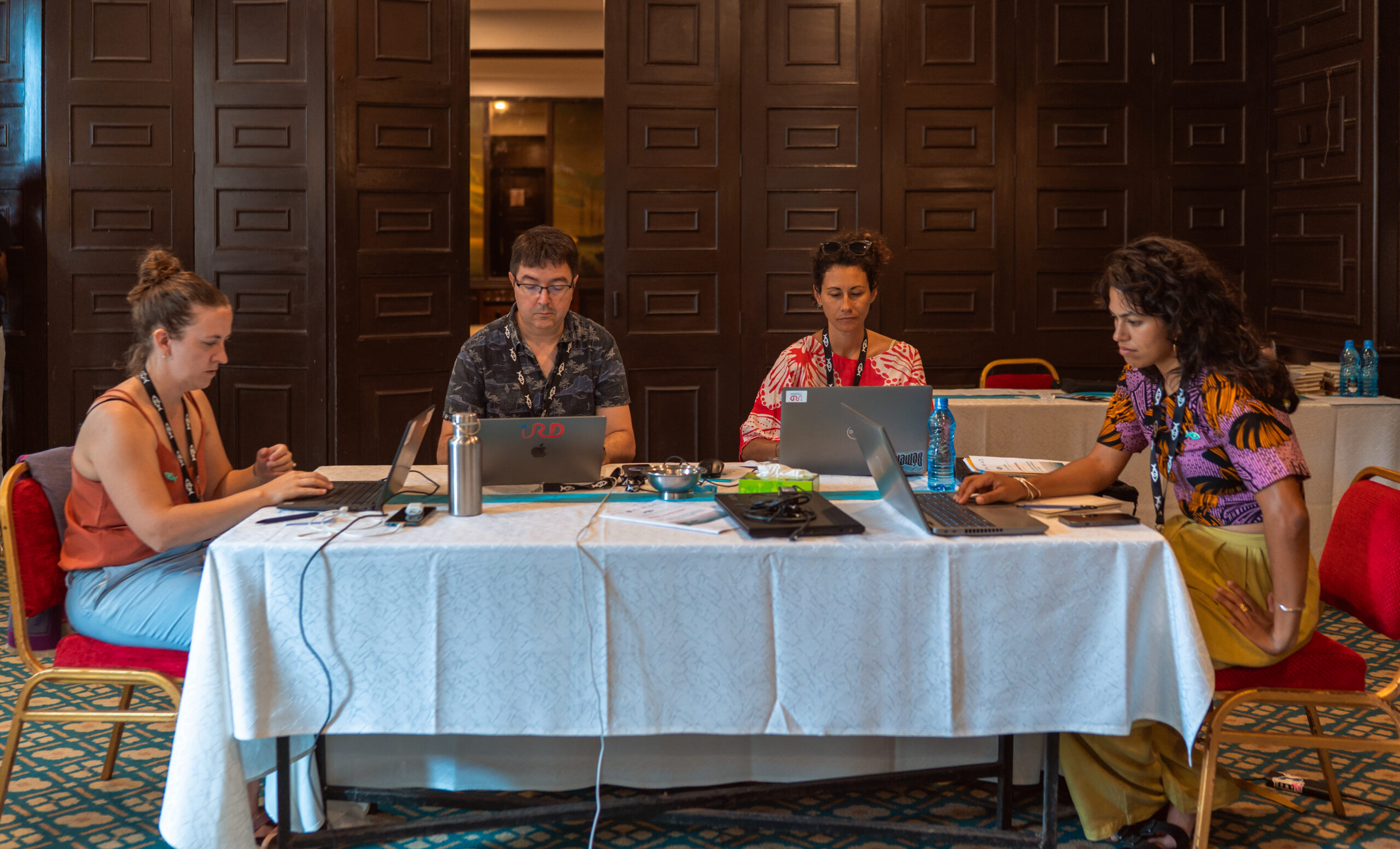
Delve into the complexity of socio-ecological models through theoretical concepts and practical group work with Stéphanie Mahévas and Quentin Schull:
• Construction of models for the socio-ecosystems of octopus fishing in the Comoros and artisanal coastal fishing in Mayotte.
• Adding parameters, projecting these systems 10 years into the future, and identifying the spatially explicit management tools needed to achieve this.
Results: numerous discussions on the challenges of modeling reality, namely how parameters interconnect and how perceptions of SES can differ from one participant to another.
SESSION 2
Understanding marine spatial planning (MSP) through theoretical courses and practical applications:
- Presentations:
- Brice Trouillet – What is MSP and why is it important?
- Philile Mbatha – MSP, the blue economy, and governance
- Pascal Thoya – The realities of MSP in East Africa and the key role of data, using the example of the Peskas monitoring system
- Rodolphe Devillers – The MSP index and its purpose
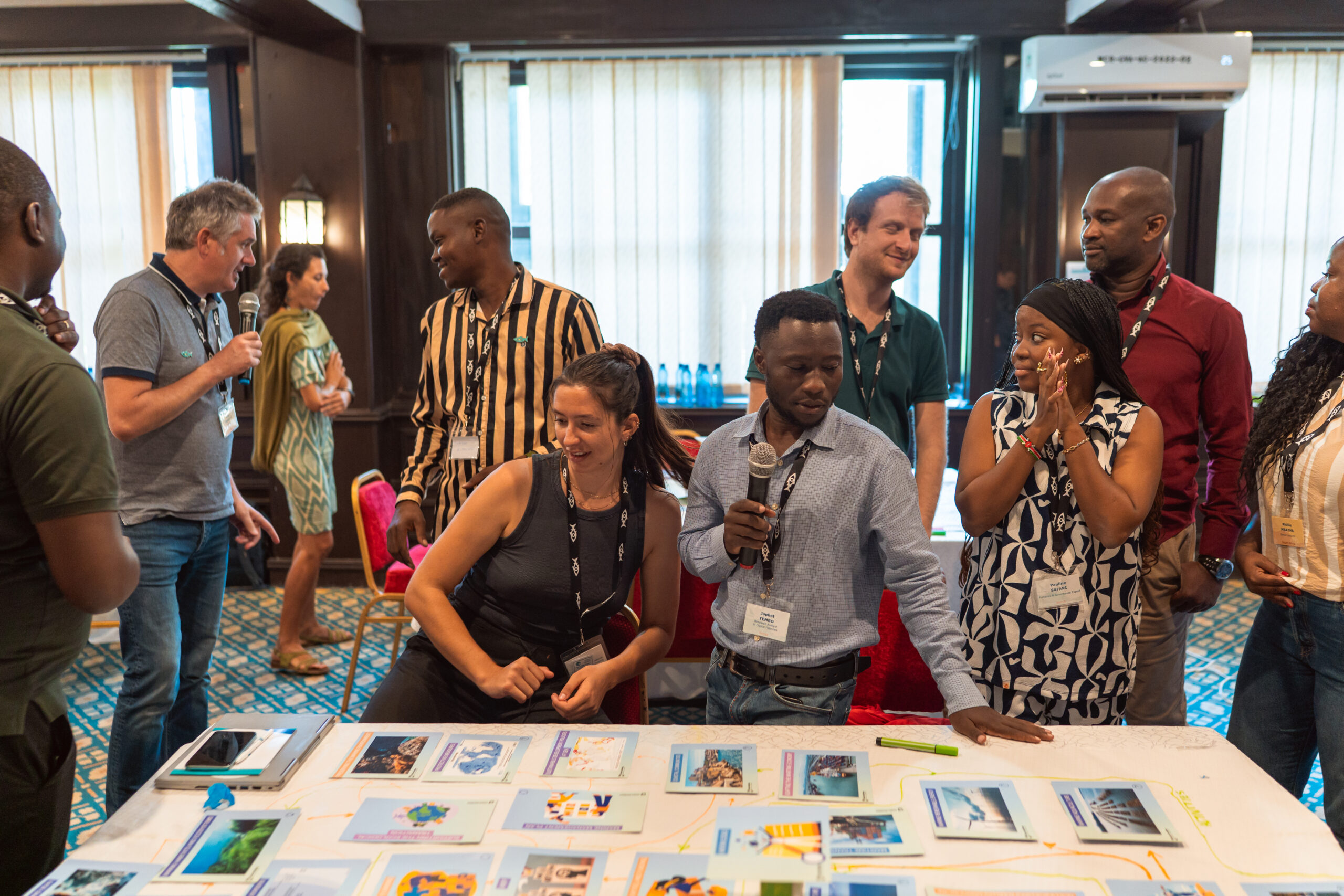
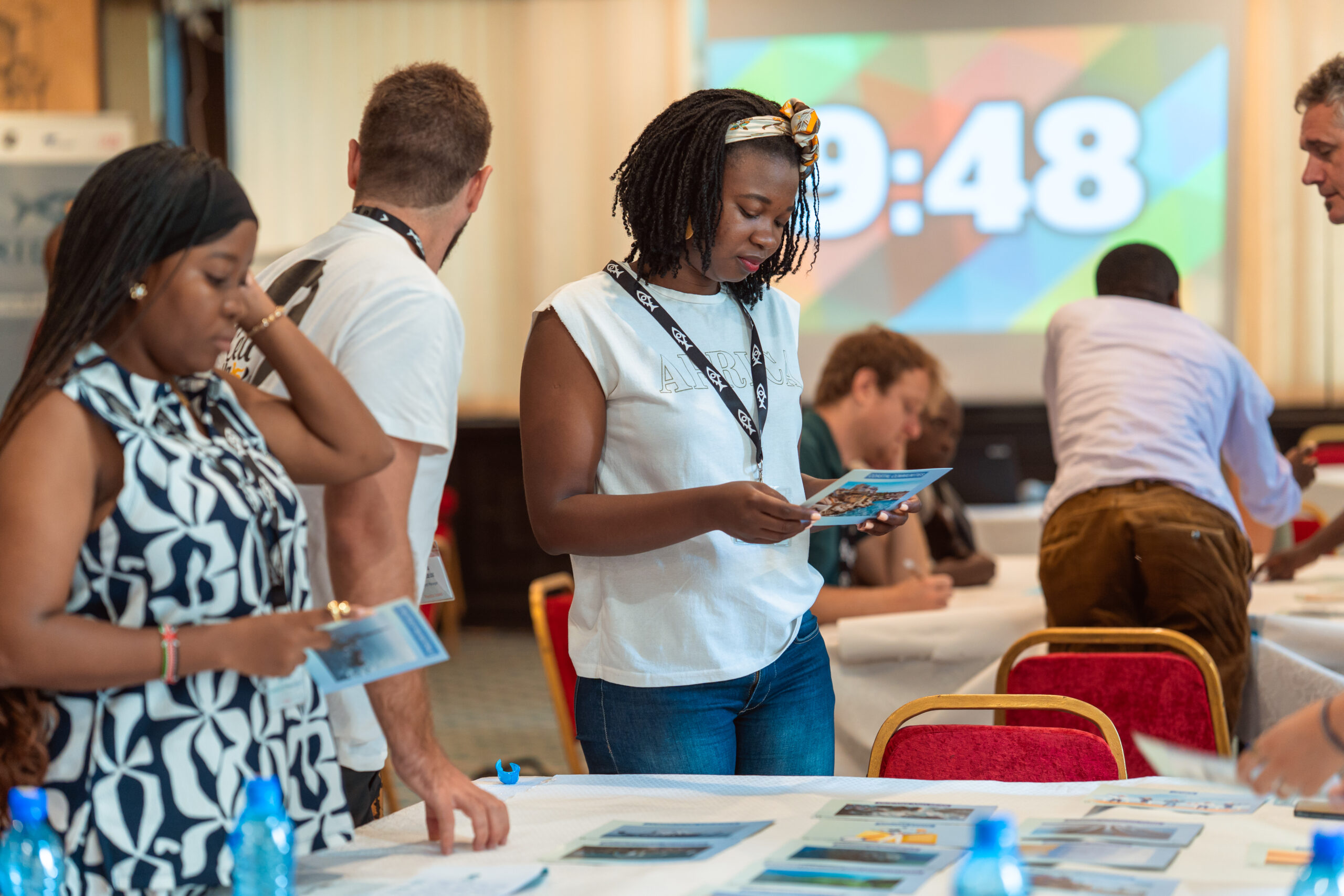
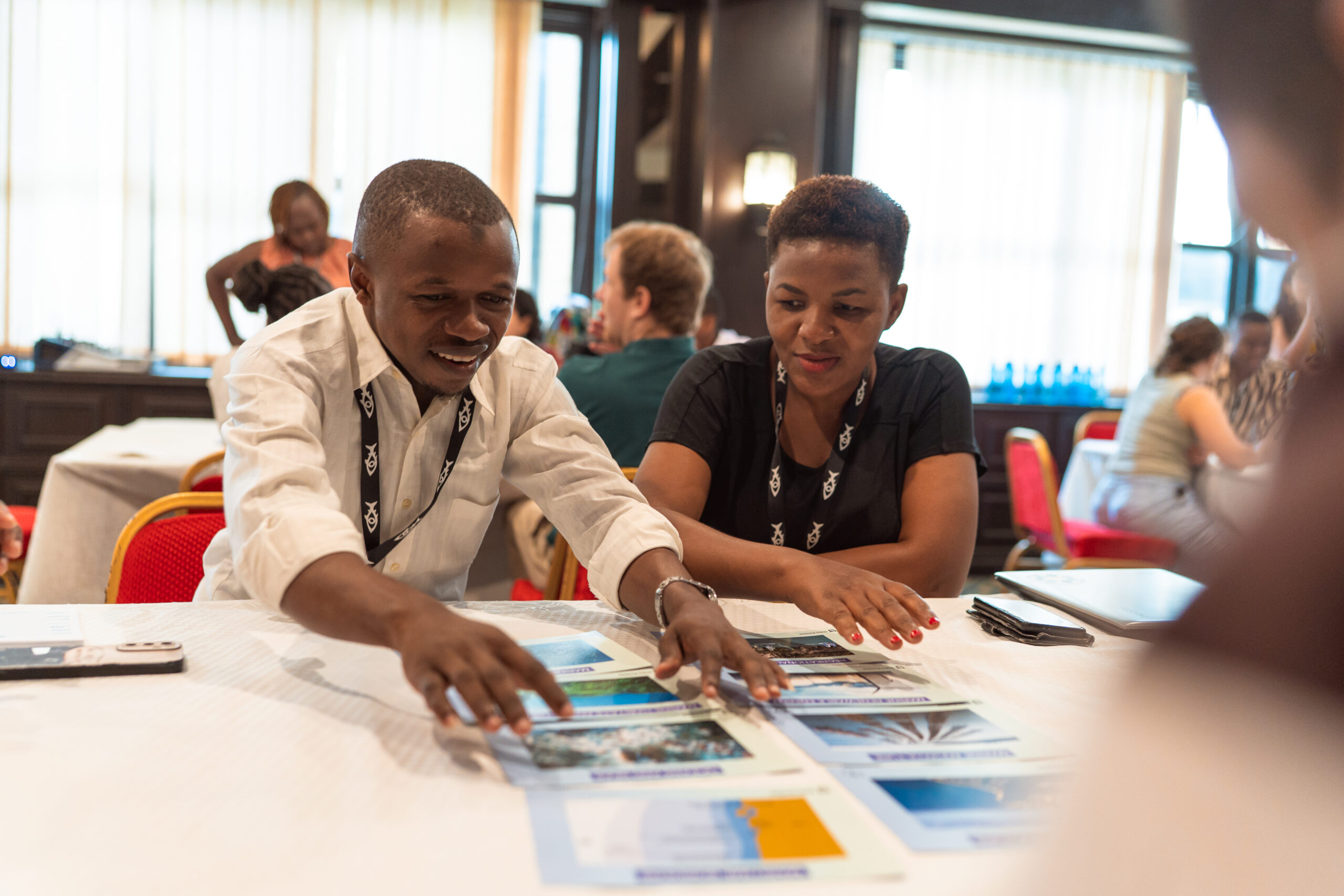
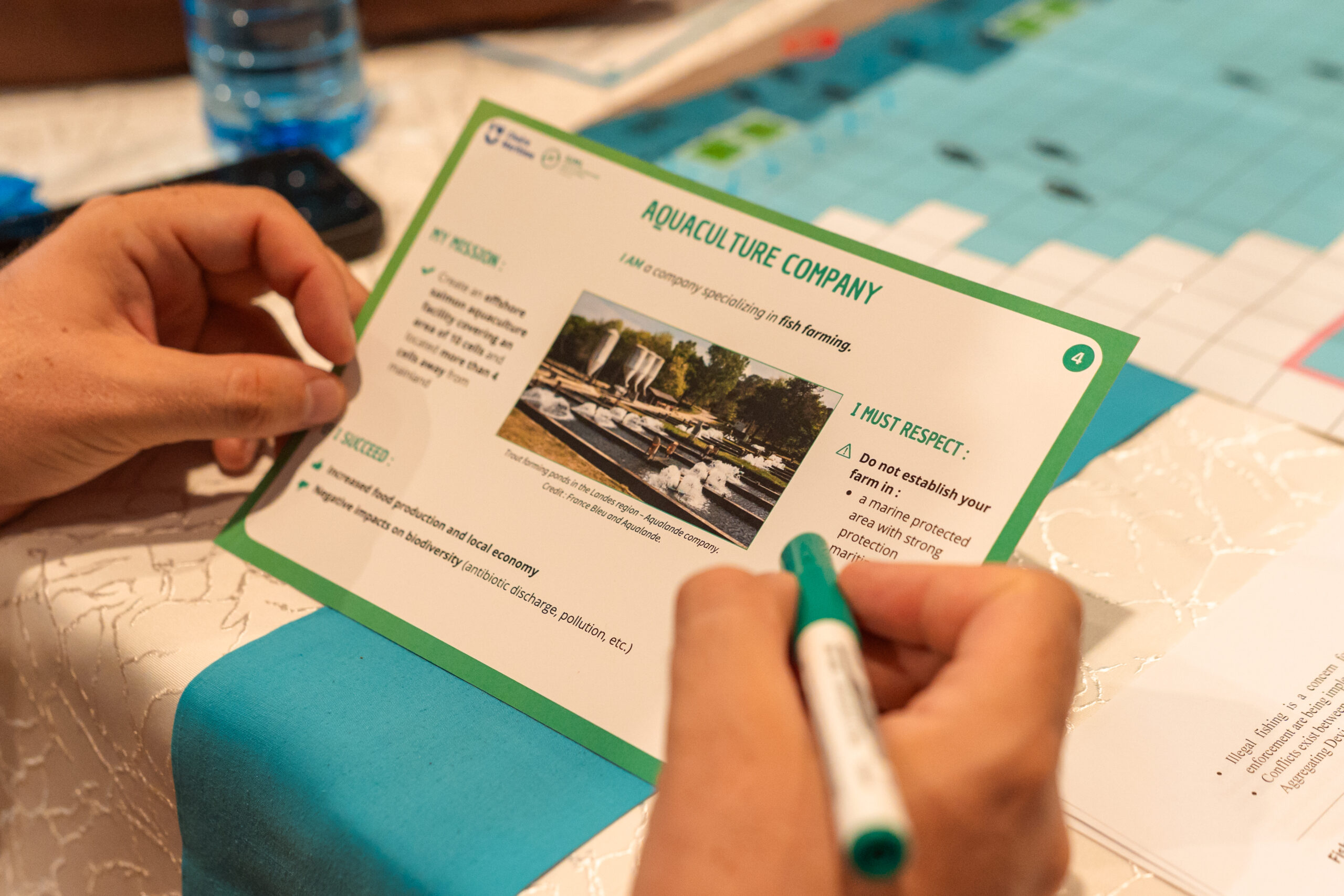
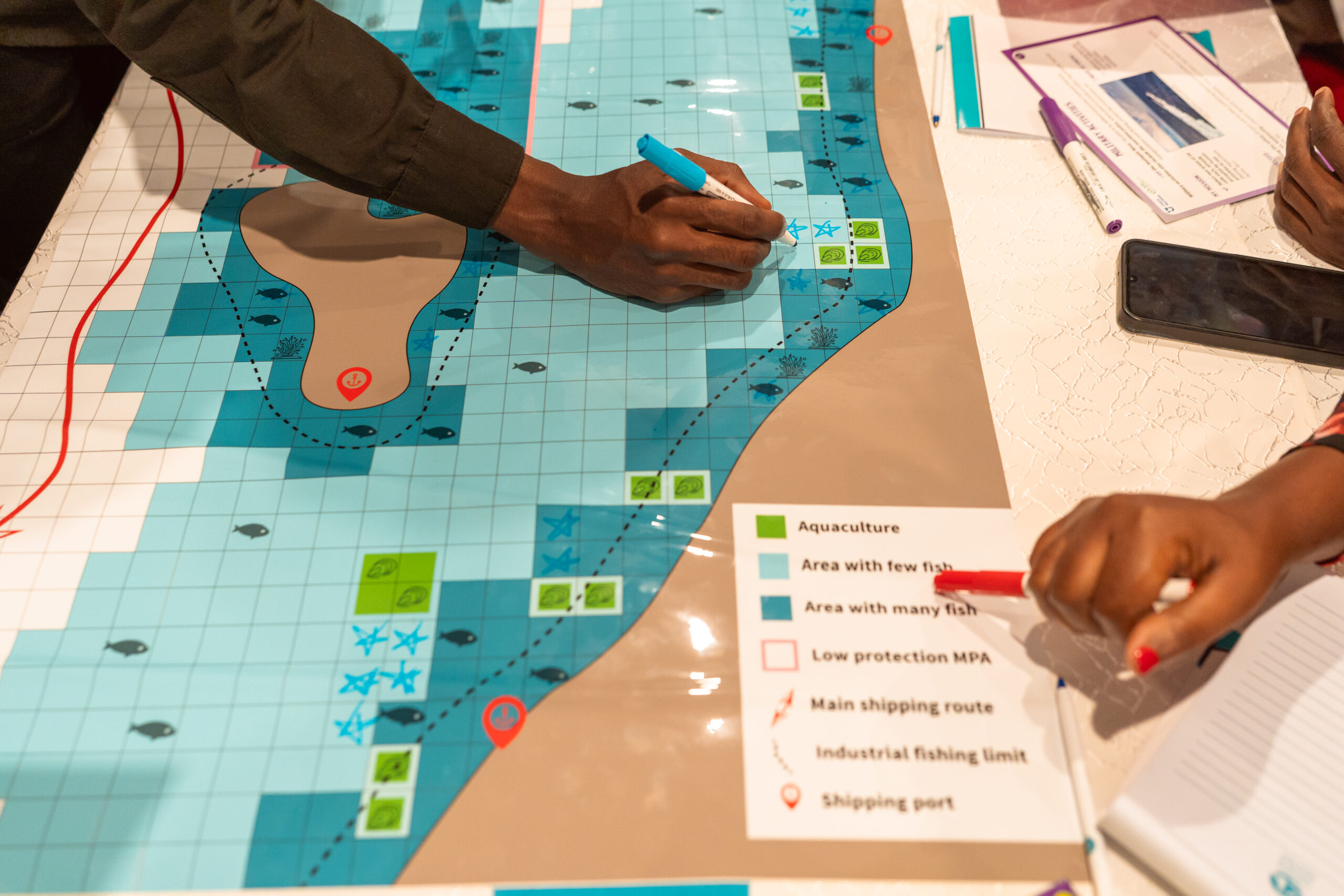
- Practical exercises: Immersion in marine spatial planning, with the serious game “Bazar en mer” and the MSP Fresk workshop.
Key points: Through collective work requiring listening, debate, and negotiation, participants were able to confront the complexity and diversity of situations.
SESSION 3
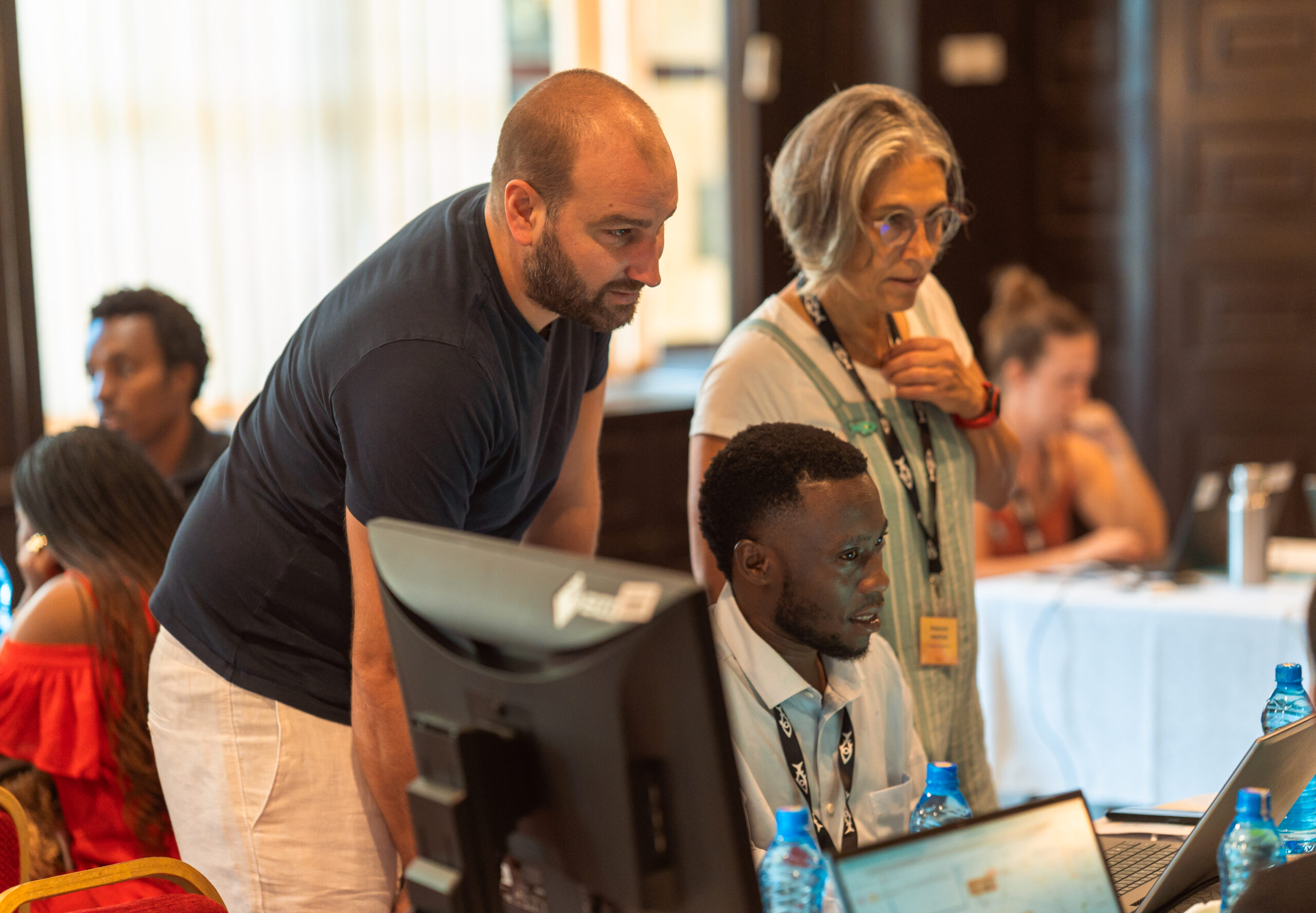
- Presentation of Ellinor.org by Shauna Mahajan, a free and open source monitoring tool for collecting, storing, sharing, and using data on environmental governance and management.
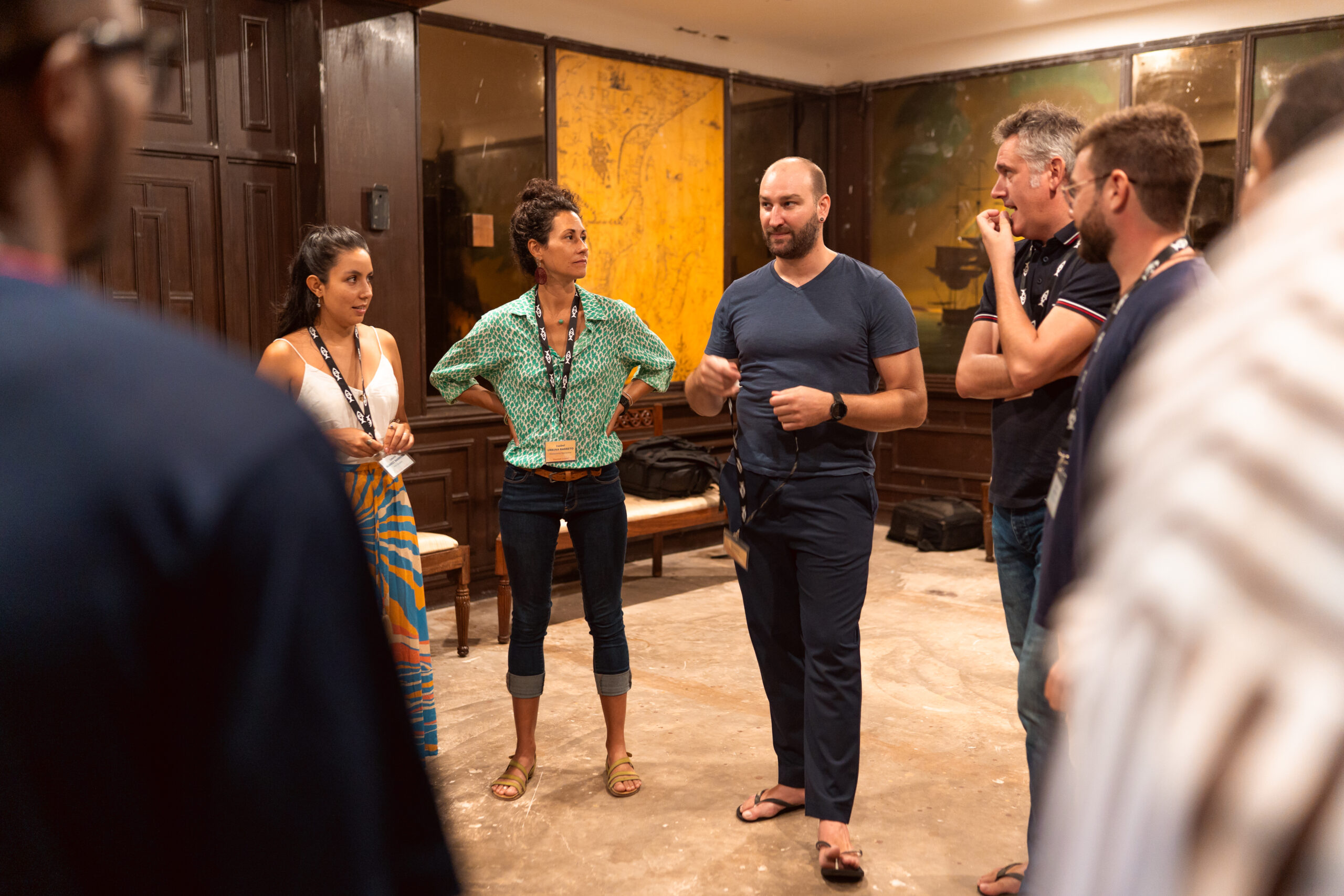
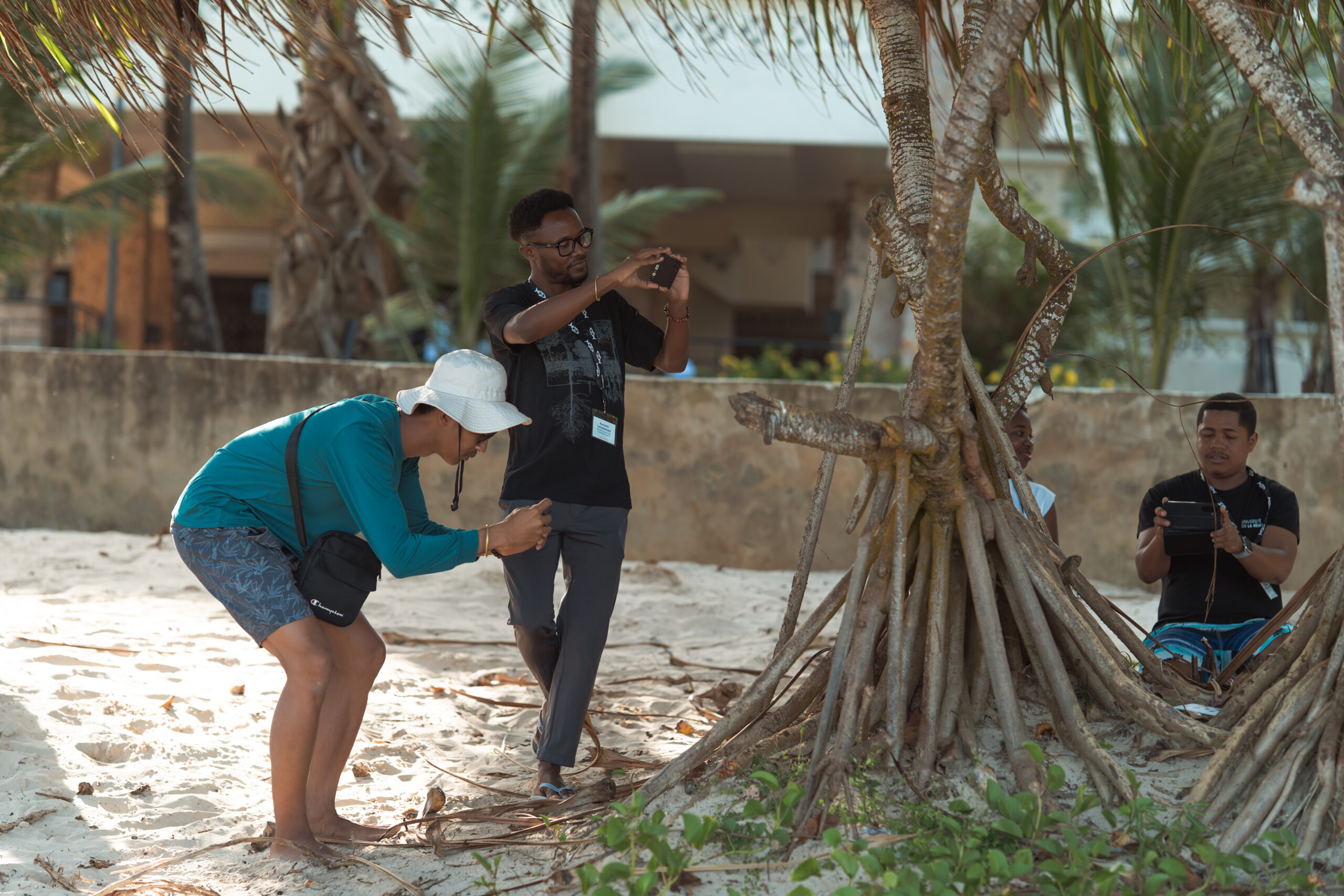
- Collecting images for the study of socio-ecosystems: discovering photogrammetry with Isabel Urbina-Barreto. Hands-on photogrammetry exercise: capturing images to create 3D models of the real world, a powerful technique for interdisciplinary research.
- Presentation and discussions on data management with Julie Furiga: Best practices in Open Science, introduction of participants and discussions on their own data management practices.
Results: insights and questions about everyone’s practices and the link with non-scientific partners.
SESSION 4
Reflect on and better understand how to involve different stakeholders in marine governance.
Presentations:
- Philile Mbatha: Understanding the importance of transdisciplinarity in co-constructing knowledge from the outset of the process.
- Nina Rivers: Theory and methods for inclusive participation of stakeholders and rights holders.
- Ella-Kari Muhl: Introduction to the concepts of power and trust.
Practical application based on real cases: describe the actors in a socio-ecosystem exposed to complex issues and propose methods for involving them in a new form of governance.
The speakers
Quentin is a specialist in evolutionary ecophysiology and uses multidisciplinary approaches to study his individuals’ sensitivity and robustness in a context of global change. His work aims to dissociate the effects of natural and anthropogenic constraints while promoting the coexistence of man and nature to ensure the sustainability of the marine socio-ecosystem and, more broadly, to achieve sustainable management of resources.
Quentin is co-leading the BRIDGES RESILIENCE targeted project for the BRIDGES Research Program.
MARBEC Research Unit – Sète, France
Stephanie specializes in the mathematical modeling of fisheries to evaluate spatialized fisheries management scenarios in a socio-ecosystemic approach. She co-designed ISIS-Fish, a platform for modeling the spatial and seasonal dynamics of marine populations and fishing fleets. Her approach is to design models of a complexity adapted to the issues at stake and the data available, and to assess their strengths and weaknesses so that they can be used in an operational context. She strives to transfer academic productions to society through research projects involving participatory approaches and collaborations with artists.
Stephanie is co-leading the BRIDGES AVATAR targeted project for the BRIDGES Research Program.
MARBEC Research Unit – Sète, France
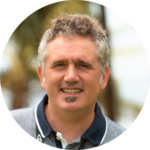
Brice specialises in the social geography of the marine environment. His research focuses on the dynamics of human activities at sea and on maritime governance, particularly maritime spatial planning. His work is based on the spectrum of Science & Technology Studies and critical approaches. He uses the example of fishing activities in the context of maritime spatial planning to study more specifically the interweaving of power relations and knowledge in (geo)technological resources. He is increasingly focusing on informational issues and the associated issues of power, drawing on thinking and results from the Digital Geographies.
Brice is co-leading the BRIDGES CO-CONSTRUCTION targeted project for the BRIDGES Research Program.
LETG Research Unit – Nantes, France
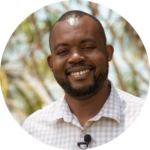
Pascal Thoya is a Research Fellow at WorldFish, focusing on digital innovations in small-scale fisheries governance across the Western Indian Ocean. He integrates geospatial tools, participatory planning, and data systems to enhance fisheries management and Marine Spatial Planning (MSP), supporting equitable coastal governance through platforms such as Peskas and other decision-support tools.
He is currently advancing AI-integrated fisheries monitoring that enables real-time tracking of coastal fishers by combining biological, economic, and spatial components of fishing activities.
WorldFish, Data Systems and Digital Innovations – Zanzibar Field Office, Tanzania
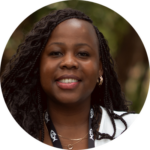
Philile’s research focuses on marine and coastal governance in the Western Indian Ocean region of Southern Africa, with a particular emphasis on rural contexts along the coast. Her work contributes to rural development by linking policy-making platforms and institutional arrangements that manage coastal resources with people on the ground and the realities of their livelihoods. She is also Deputy Director of the One Ocean Hub.
Philile is a member of the BRIDGES Scientific Advisory Board, Deputy Director of One Ocean Hub, project lead of the NRF SmallFish4Food project and co-lead of the WIOMSA Scalable Blue Tenure Transitions project.
University of Cape Town and One Ocean Hub, South Africa
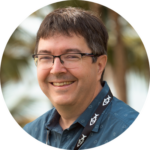
Rodolphe’s research focuses on applying geographical approaches to marine sciences and conservation. He has extensive experience of work combining marine protected areas, fisheries and sustainability sciences. In the last 20 years he has led over 40 research projects including large-scale international initiatives, with his research focusing on the South-West Indian Ocean region in recent years. His interdisciplinary background has made him used to working at the interface between the natural and social sciences in the marine science field.
Rodolphe is co-leading the BRIDGES IMPACT targeted project for the BRIDGES Research Program.
Espace-Dev Research Unit – Montpellier, France
 Isabel is a marine ecology scientist with a strong foundation in applied research for the management and conservation of coral reefs and associated coastal social-ecological systems. Her work integrates ecological processes, Research and Development in aquaculture, coral restoration, and monitoring. She focuses on: (i) evaluating the effectiveness of methods and indicators used in coral reef monitoring programs and tropical seaweed sector; (ii) developing optimal tools and programs to improve the management of these ecosystems while supporting local stakeholders, managers, and planners in implementing strategies of avoidance, reduction, and compensation for coastal environmental conservation.
Isabel contributes to the BRIDGES Research Program, through the OBSERVATION targeted project.
LOCEAN Lab – Saint-Denis, Reunion Island, France
 Julie works for the BRIDGES INFORMATION project on data management, while supporting IR Data Terra’s activities in the Indian Ocean. Her first assignments focused on coastal dynamics and risks in France. Various projects then enabled her to understand the complexity of the maritime environment, focusing on the concepts of Maritime Spatial Planning, Marine Protected Areas, fishing issues, Marine Renewable Energy, and ocean conservation. To facilitate understanding of complex socio-ecosystems, Julie uses a wide variety of tools, including cartography and GIS, surveys, statistics, and scientific outreach tools.
DATA TERRA Research Infrastructure – Le Port, Reunion Island, France
Shauna leads WWF-US’s seascape work in the Western Indian Ocean. With a background in resilience and systems thinking, environment, and development, Shauna takes a holistic and inclusive approach to co-designing conservation strategies in five countries that border the WIO to advance an inclusive and transformative conservation agenda.
Shauna has over a decade of experience researching and working on integrated social and ecological issues. Her past work has taken her to explore the agriculture landscapes of Quebec, river basins and coastlines in the eastern United States, and fishing communities in the Indian Ocean. Shauna has also led research on enabling evidence-informed conservation, embedding systems thinking into conservation strategy and evaluation, and community-led conservation.
WWF – Washington DC, United States of America
Ella-Kari’s work explores the intersections of biodiversity, economic development, and governance in southern Africa, with a focus on equity and knowledge co-production.Ella co-leads the Ethical Place-Based Research working group for the Society of Social-Ecological Systems and the WIOMSA Scalable Blue Tenure Transitions project.
Centre for Sustainability Transitions at Stellenbosch University, South Africa
 Nina is a Researcher with specialisation in anthropology, ocean governance, participatory processes, stakeholder engagement, and integrating diverse knowledge systems in community-led socio-ecological governance across the Western Indian Ocean. Nina is WIOMSA’s Country Coordinator for South Africa and has done extensive work on knowledge integration and stakeholder engagement in One Ocean Hub and other WIO projects.
Coastal and Marine Research, Nelson Mandela Metropolitan University, South Africa
What participants thought
Some additional pictures