BRIDGES x DATA TERRA Schools: A First Edition in Reunion Island in December 2025
BRIDGES x DATA TERRA Schools: Towards FAIR, Ethical, and Sustainable Research Data Management for Open Science
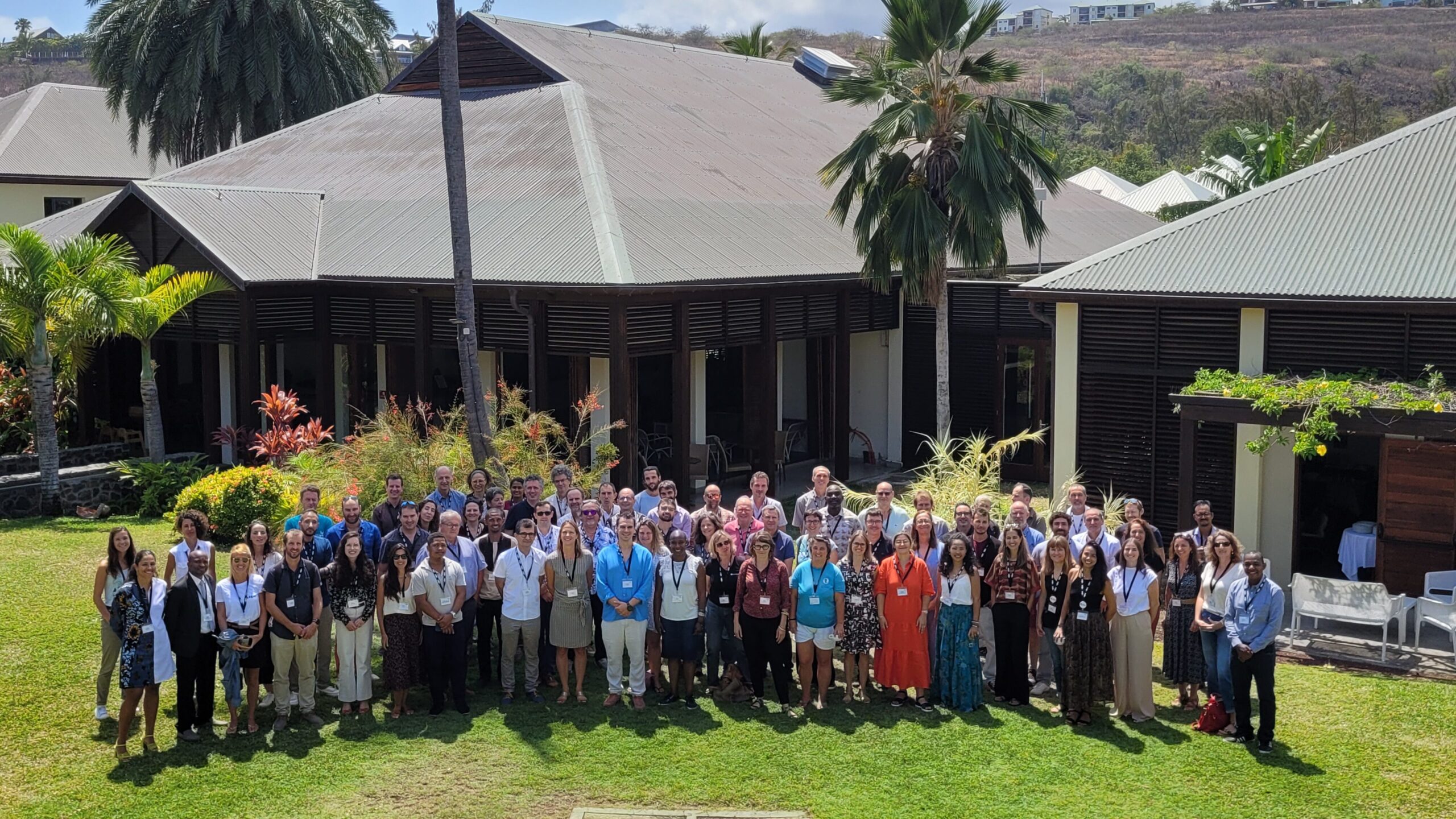
This training course dedicated to research data management applied to fishing, biodiversity, and marine socio-ecosystems in the Indian Ocean was held from December 8 to 12, 2025, in La Saline-Les-Bains.
Objective: to strengthen the skills of young researchers, engineers, technicians, and institutional actors throughout the data lifecycle, with a view to Open Science and FAIR, while meeting the specific needs of BRIDGES.
A week structured around the data lifecycle
Day 1 – Diving into the BRIDGES and Data Terra ecosystems
- Discovering the Data Terra Research Infrastructure (RI) and its ODATIS Ocean center, as well as the HumaNUM RI, digital infrastructures for research data management in France
- Presentation of the Réunion BRIDGES host site and its research challenges
- Discover the concepts of Open Science, FAIR principles, and the data lifecycle through the game “À l’asSO!”
- Discussions with participants about their data management needs
Day 2 – Collecting data in the field: putting data collection into practice
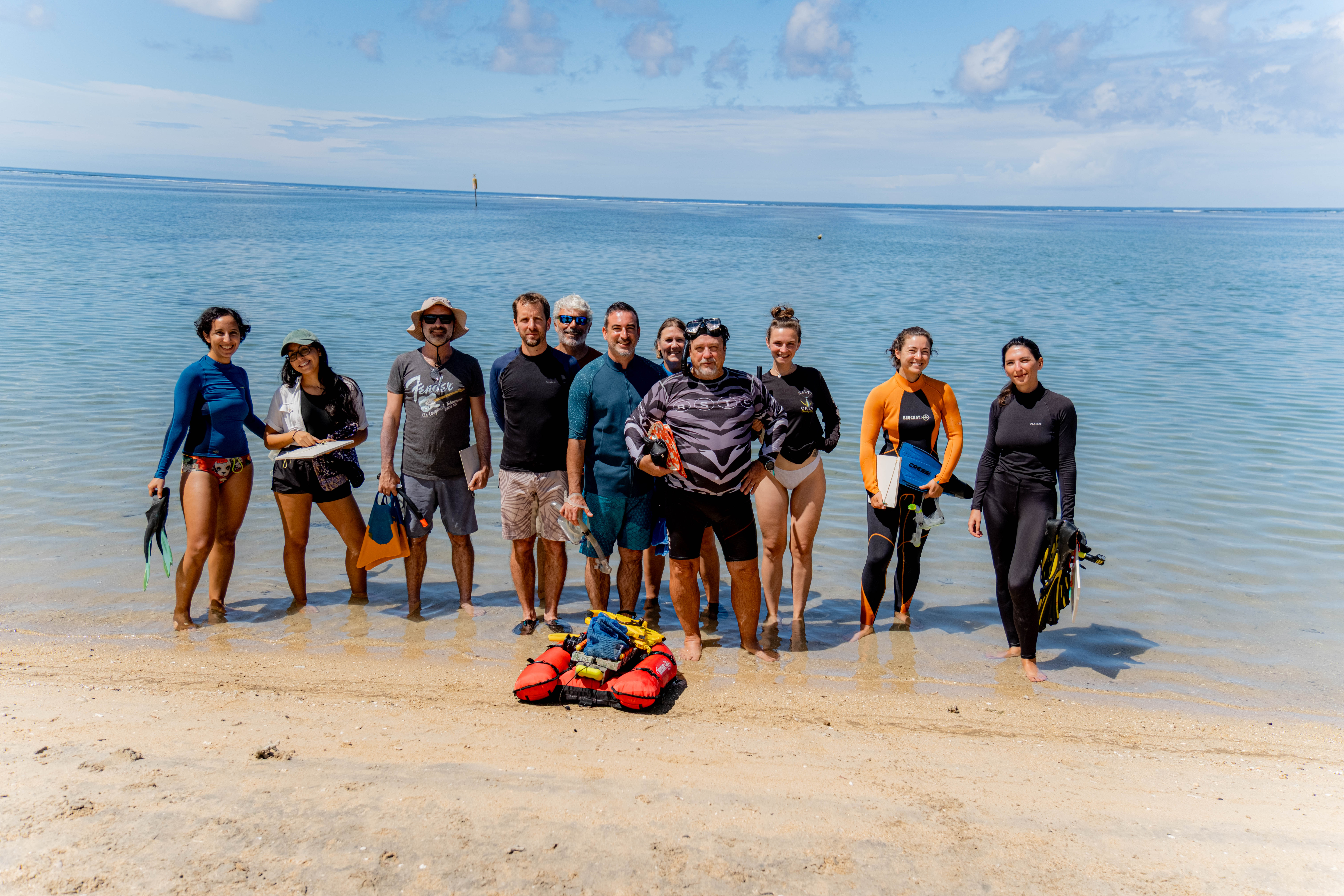
Field trip to the Réunion Marine Nature Reserve to learn the right habits to adopt before collecting data:
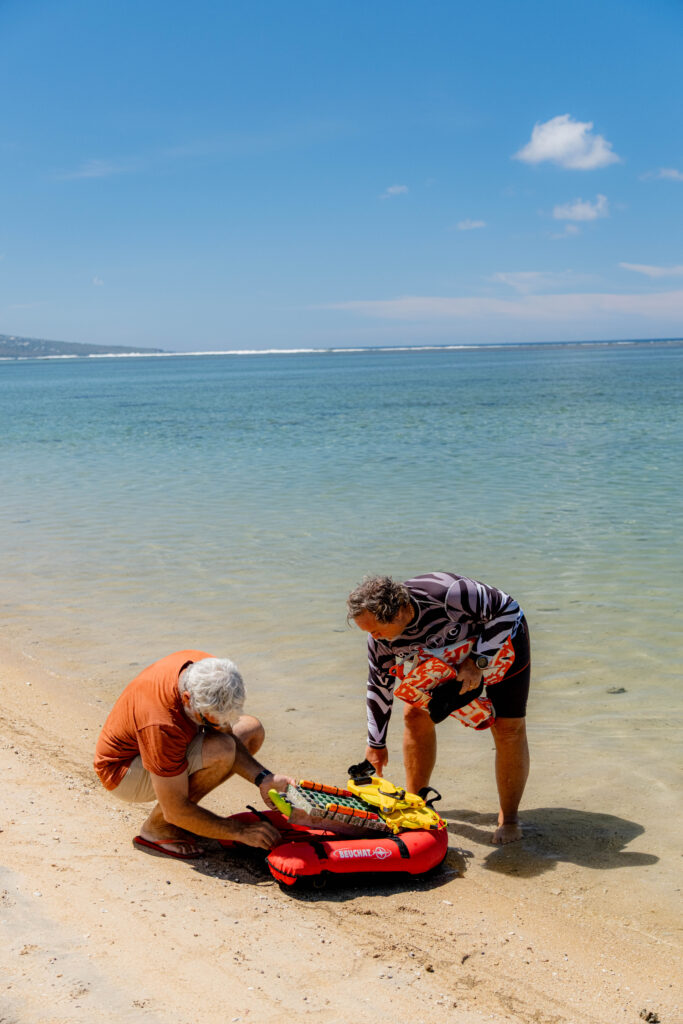
- Preparation of the field and best practices for data acquisition
- Presentation of the three working scenarios:
- BIOLOGY scenario with benthic monitoring protocols, by Lionel Bigot (University of La Réunion)
- TEMPERATURE scenario with Emmanuel Cordier (University of La Réunion), focusing on the installation and programming of sensors
- IMAGE and photogrammetry scenario with Mathias Rouan (CNRS) and Isabel Urbina Barreto (independent researcher), with GPS data acquisition via the Centipede-RTK network and underwater image acquisition using a camera.
Photo : Field phase, data collection at La Saline les Bains
Day 3 – Analysis and processing: data qualification, cleaning, and structuring
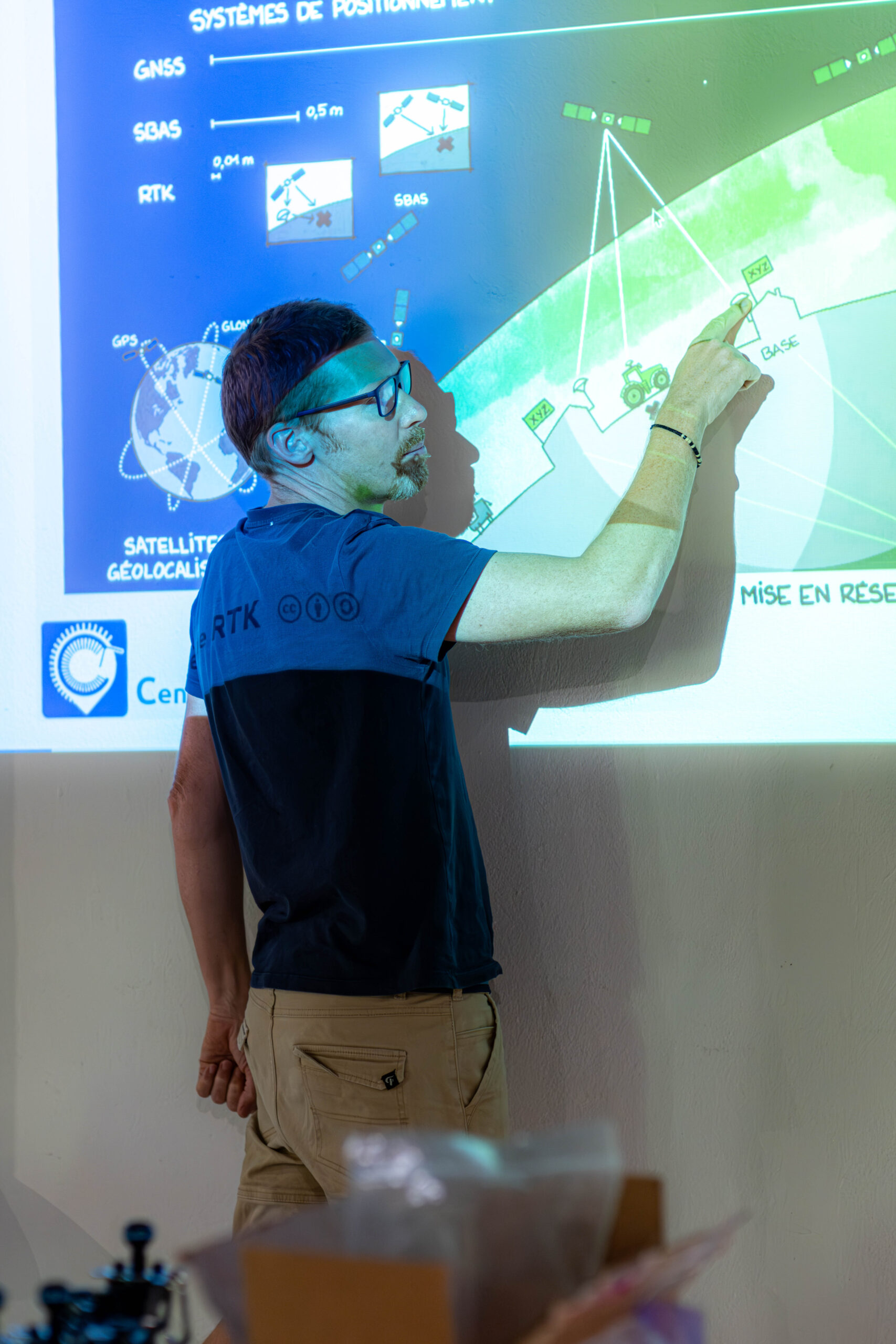
- Use of OpenRefine tools, introduction to the NetCDF format, concept of QualityFlag, photogrammetry and GIS (QGIS), etc. to illustrate the FAIR principles applied to the BIOLOGY, TEMPERATURE, and IMAGE scenarios, the theme of the week.
Photo : Presentation of the Centipede RTK network, a collaborative network of GNSS bases.
Day 4 – Publishing, sharing, and promoting data
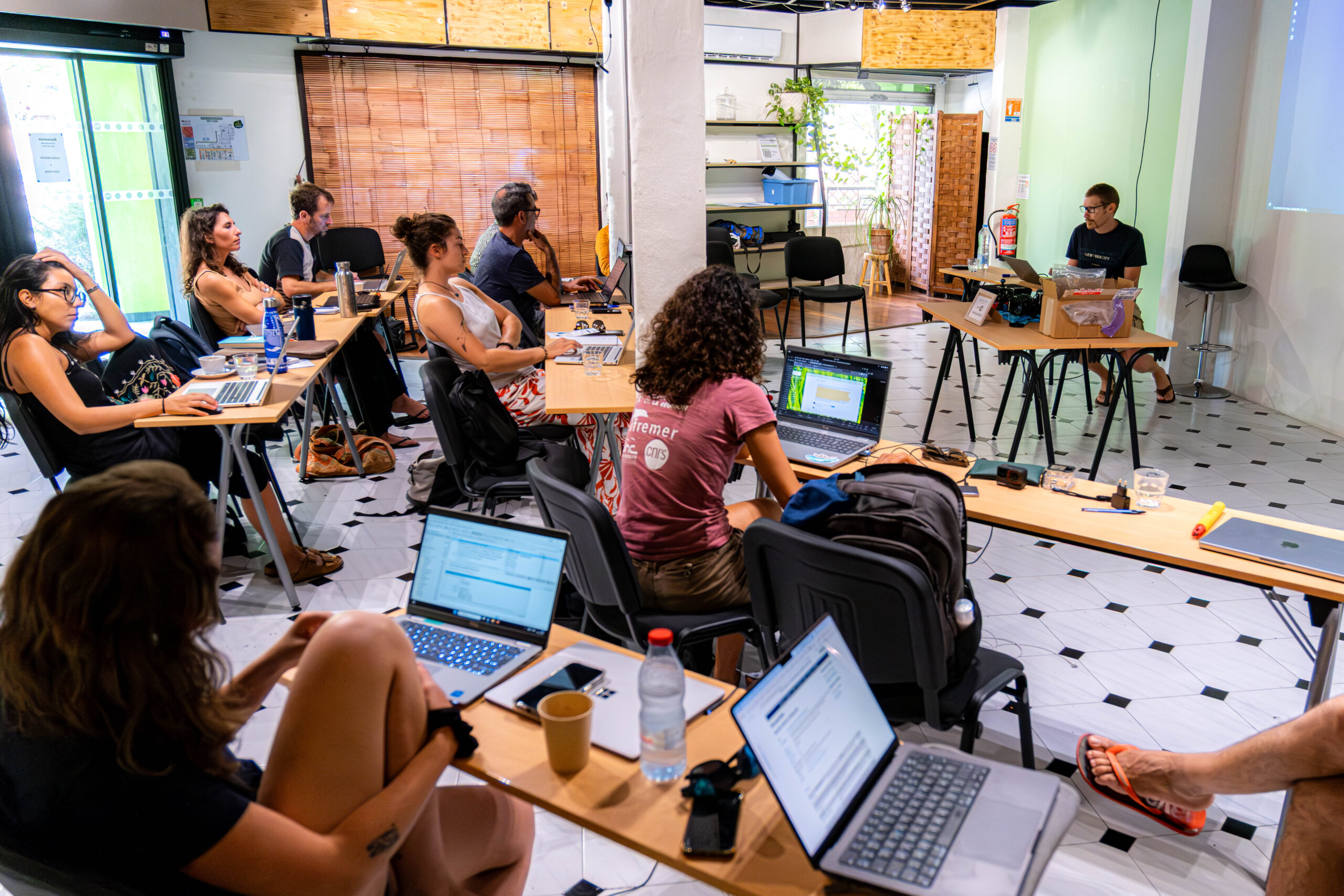
- Issues surrounding data sharing, legal framework, ethics, digital sobriety, and archives – Julie Furiga
- Data repositories, standards, metadata, DOI, and data papers – Christelle Pierkot
- Making data visible, interoperable, and reusable: practical work on Sextant, OGC services, etc. – Erwann Quimbert and Mathias Rouan
- Summary and identification of emerging needs
Looking back on Friday’s seminar
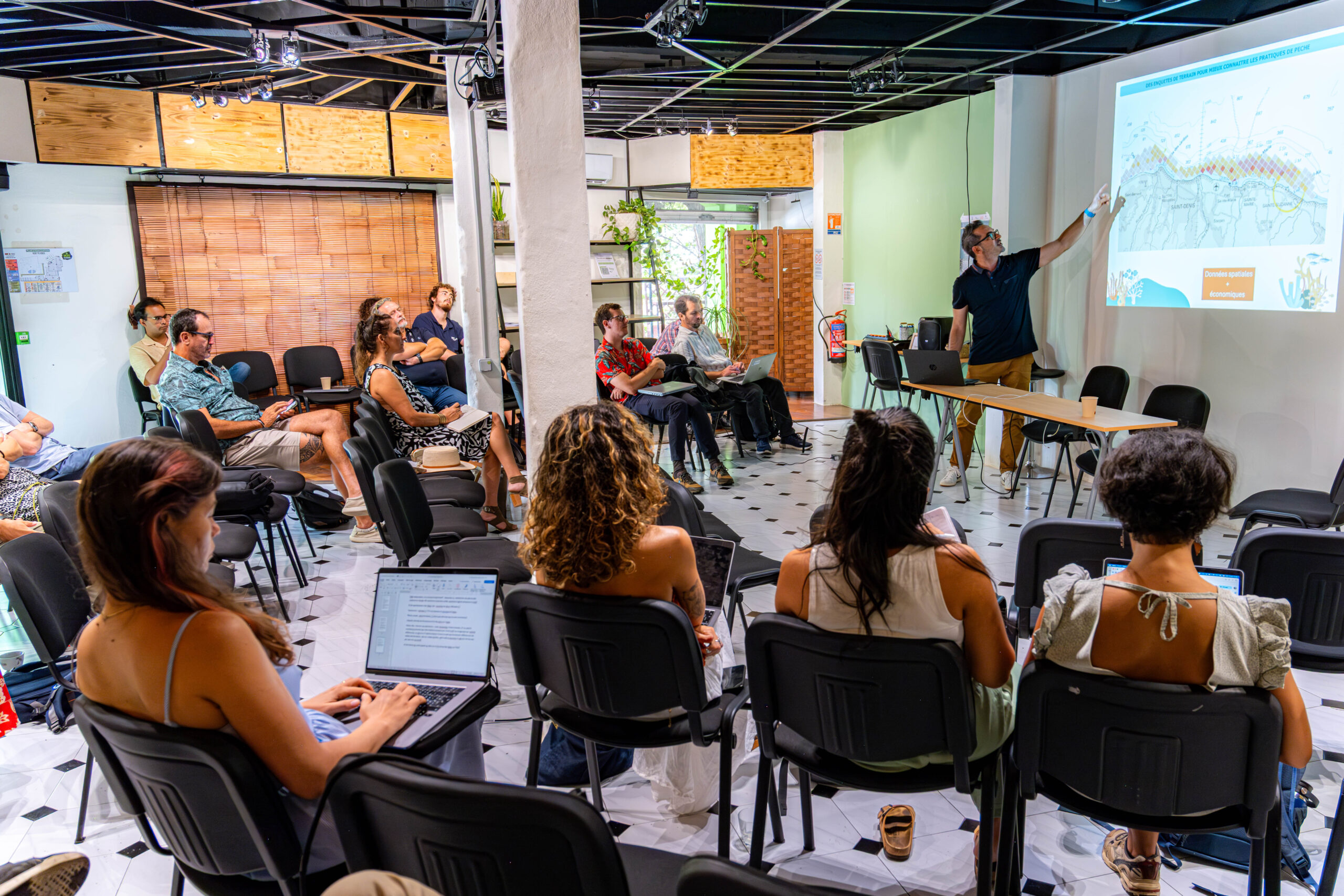
Friday marked the end of the BRIDGES x DATA TERRA school with a seminar day open to all, devoted to data, methods, and services that can be used to study social-ecological systems (SES) in the southwestern Indian Ocean, with a focus on the Reunion BRIDGES site.
Each of the seminar sessions concluded with open discussions on data, training, and collaborative tool requirements, highlighting the importance of interdisciplinary and inter-institutional dialogue.
The day confirmed the central role of data and infrastructure in understanding, analyzing, and supporting the transformation of marine social-ecological systems.
A morning dedicated to disciplinary approaches
- Issues relating to the structuring, sharing, and integration of data at the regional level – Erwann Quimbert
- SHS Session – Approaches in the humanities and social sciences
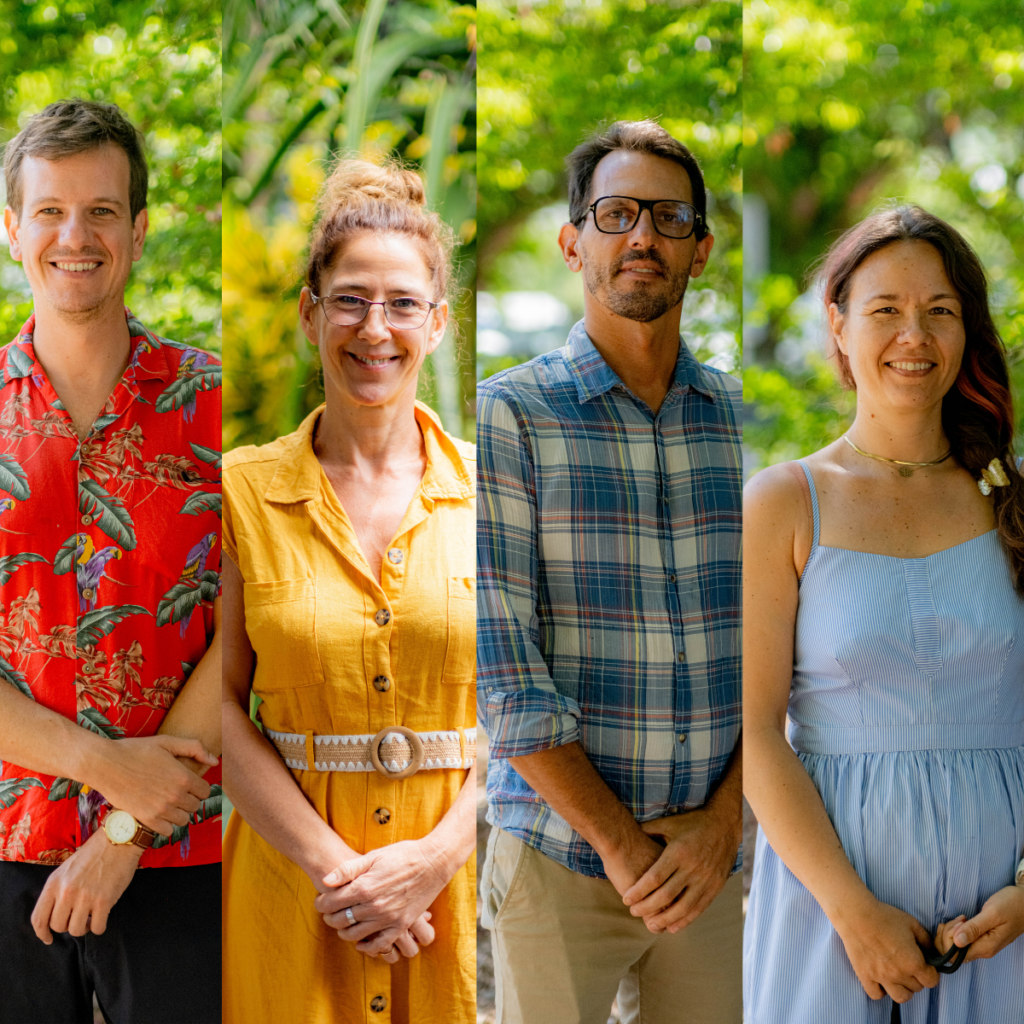
Moderated by Adrien Comte (IRD, BRIDGES IMPACT), this session highlighted the diversity of SHS systems and associated data (surveys, interviews, qualitative and quantitative data).
Presentations by Sabine Garabedian (economics, University of La Réunion), Erwann Lagabrielle (geography, University of La Réunion), and Marie Thiann-Bo Morel (sociology, University of La Réunion) illustrated the wealth of approaches available for analyzing the social, economic, and territorial dynamics of coastal socio-ecosystems.
- Biodiversity and Fishing Session – Monitoring and Observation
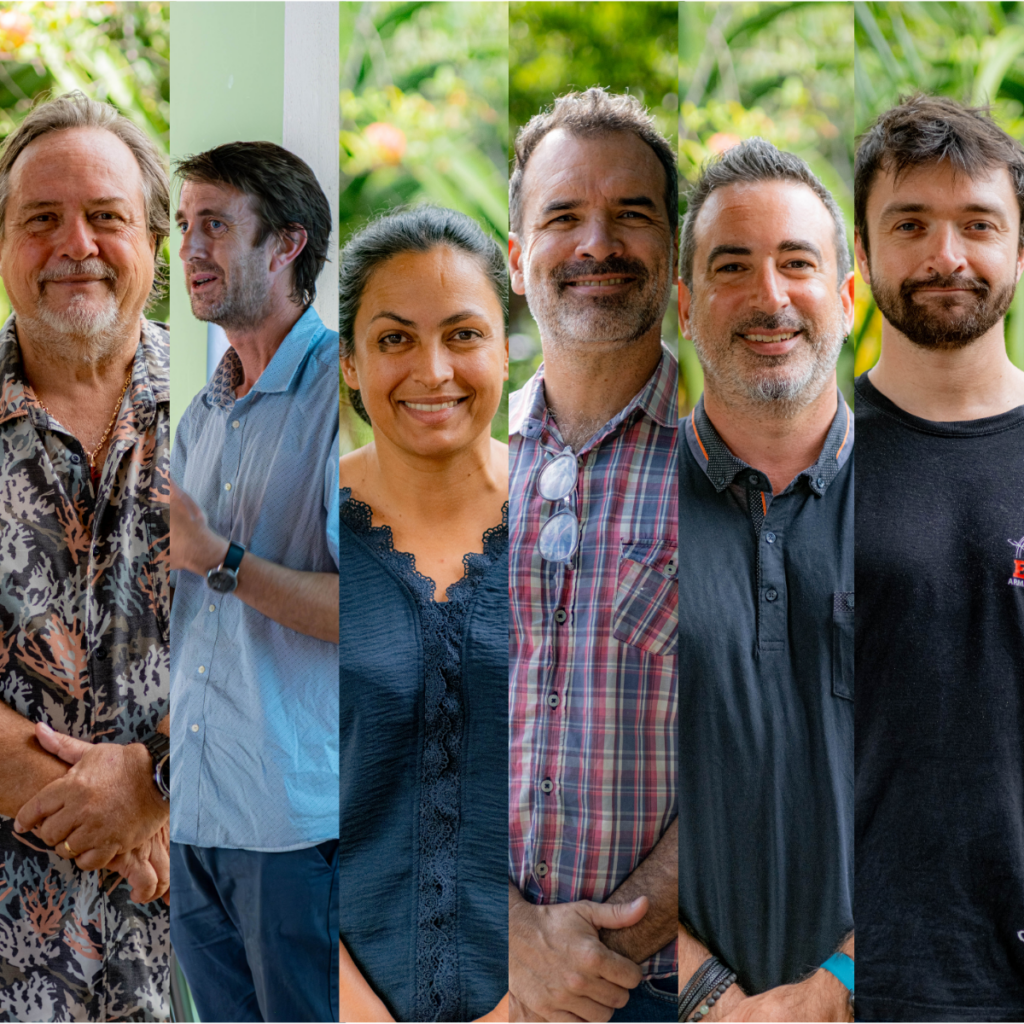
Moderated by Lionel Bigot (University of La Réunion) and Sylvain Bonhommeau (Ifremer DOI – Indian Ocean Delegation), this session presented the mechanisms for monitoring fishing and marine and fisheries biodiversity: reefs, habitats, exploited species.
Contributions from Tévamie Rungassamy (Réunion Marine Nature Reserve), Lionel Bigot, David Guyomard and Thomas Poirout (CRPMEM – Regional Committee for Maritime Fisheries & Marine Aquaculture), Sylvain Bonhommeau (Ifremer DOI) and Ewen Geffroy (ENEZ – Réunimer) showed how this data is produced, structured, and mobilized, and what the limitations are for understanding and managing coastal and marine socio-ecosystems.
An afternoon focused on tools and services
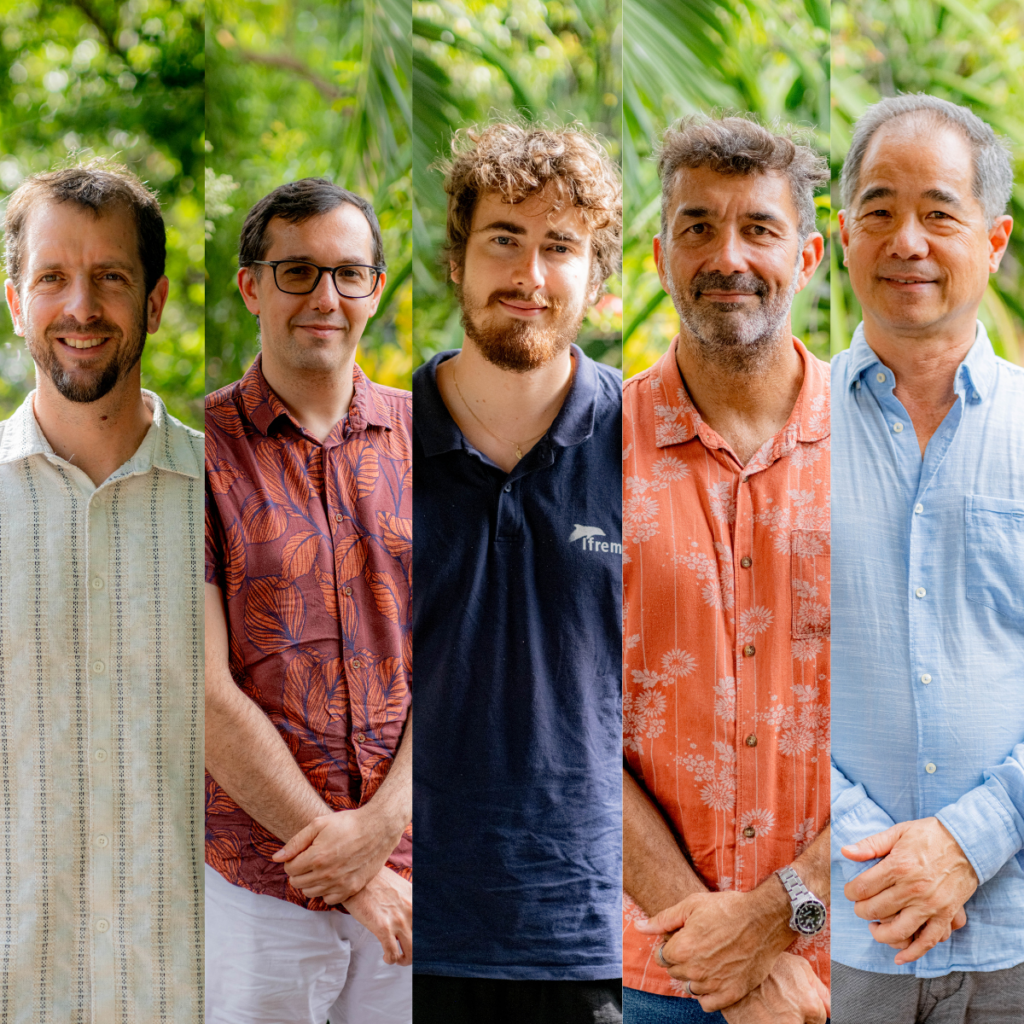
The session on Tools – Platforms, Services, and Data Integration in Socio-Ecosystems (SES), led by Erwann Quimbert, provided an overview of existing databases, platforms, and infrastructures.
Presentations by Guillaume Payen (OSU-R), Victor Illien (Ifremer), and Nicolas Villeneuve and Frédéric Huynh from the Meso-centre OI provided concrete examples of how data is stored, cross-referenced, and disseminated at the territorial and regional levels.
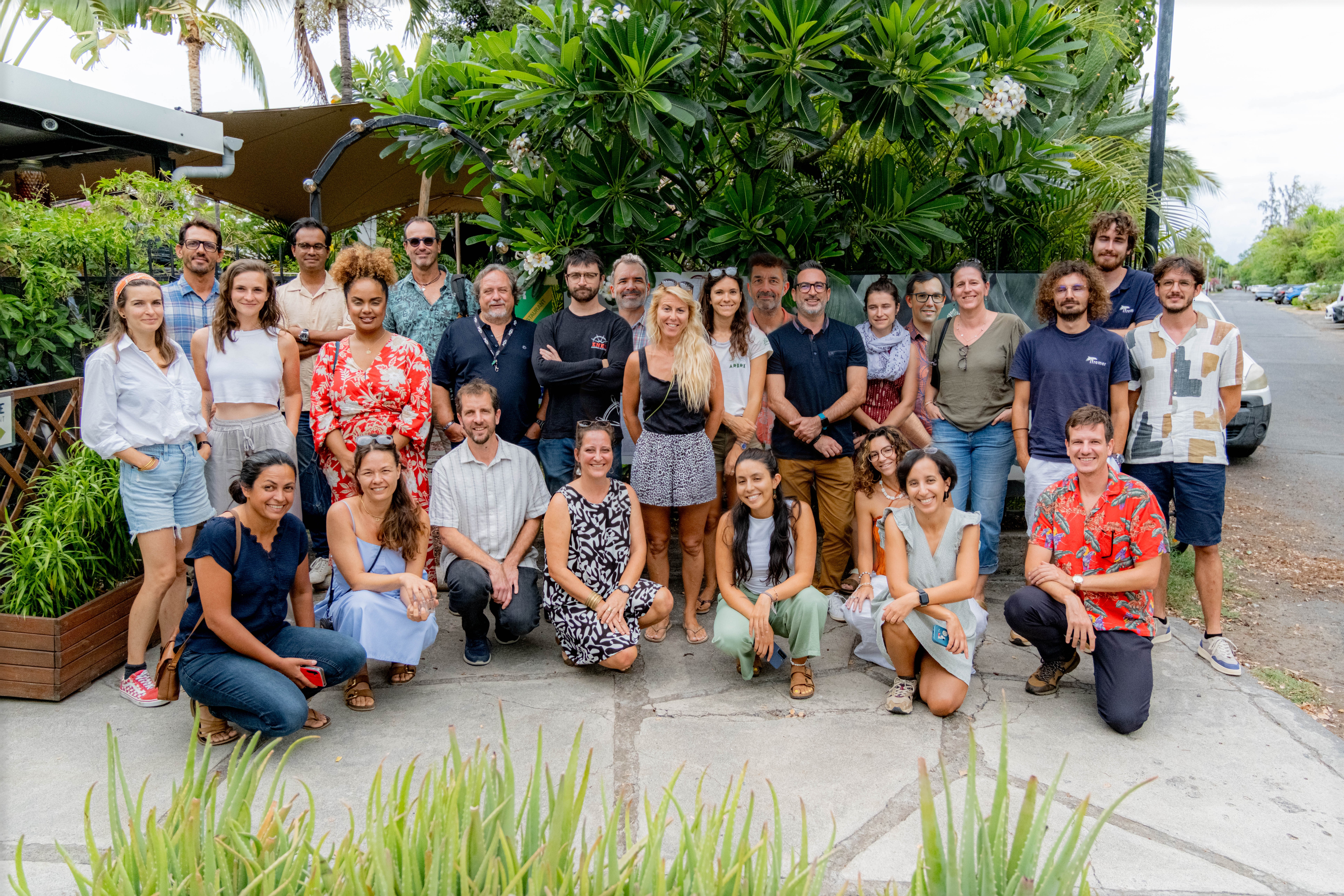
We would like to thank all the participants and speakers for their commitment, the quality of the discussions, and the richness of their contributions.
Key partners:
For the school: Data Terra research infrastructure, ODATIS Ocean Cluster, University of Réunion, Maison des sciences humaines et sociales en Bretagne (MSHB), Ilico research infrastructure.
For the seminar: CNRS, Ifremer, Ifremer DOI, IRD Réunion, Réunion Marine Nature Reserve, Réunion’s CRPMEM, Réunimer
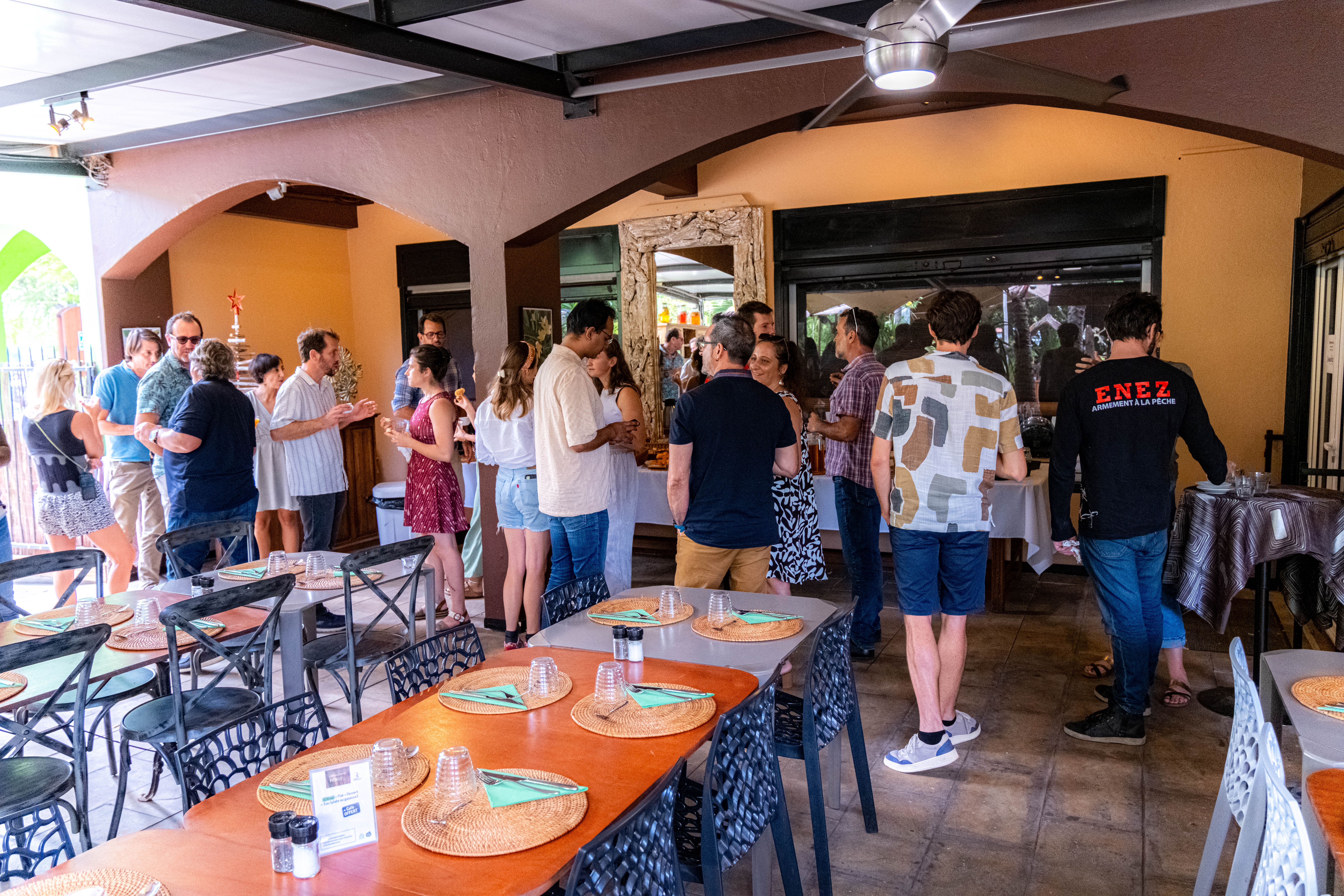
Photos : swipe left to see more photos
More news News