BRIDGES Mission to Mozambique: Meetings, Discussions, and Prospects for Collaboration
From February 27 to March 14, 2026, a BRIDGES team traveled to Mozambique for a mission organized in two phases.
The first phase, from February 27 to March 8, brought together Stéphanie Duvail (co-leader of the BRIDGES CO-CONSTRUCTION project and BRIDGES focal point for Mozambique), Marc Léopold (co-leader of the BRIDGES OBSERVATION project), Sarah Bareigts (communications and coordination support officer), Dércio Alberto (BRIDGES CO-CONSTRUCTION PhD student), and Inès Duquesnoy (BRIDGES CO-CONSTRUCTION Master’s student). The second phase, from March 9 to 14, involved Stéphanie Duvail, Sarah Bareigts, Emmanuelle Roque (BRIDGES co-director for Ifremer), and Joachim Claudet (BRIDGES co-director for the CNRS).
The main objective of this mission was threefold:
- To prepare for the co-construction workshop scheduled for July 2026.
- To launch BRIDGES activities in Mozambique, with the first meeting of the Institutional Site Committee. This meeting brought together key actors from Mozambique, specifically from the BRIDGES study site (Southern Mozambique – from Maputo Bay to Ponta de Ouro), to present the program, discuss opportunities for collaboration, and initiate the next steps in building partnerships.
- Hold initial working meetings with Mozambican academic stakeholders.
Meetings and Discussions
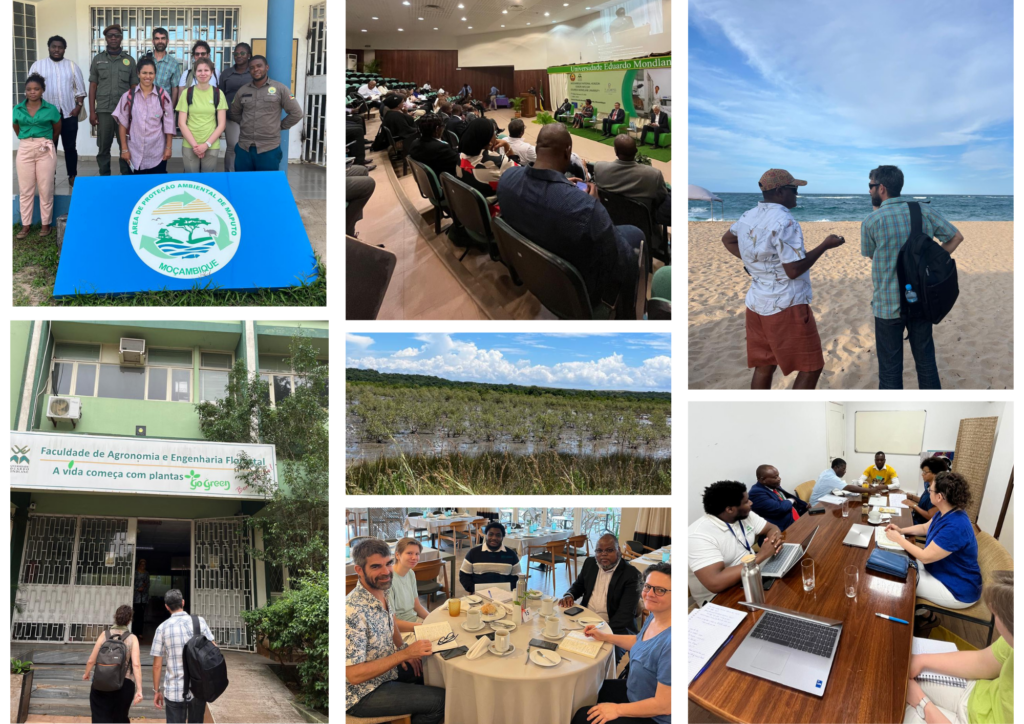
During this mission, 15 bilateral meetings were held with representatives from academia, government institutions, conservation organizations, and cooperation agencies in Maputo and throughout the Maputo province to better understand their challenges and identify potential synergies.
Four days in the field at Ponta de Ouro and on the Machangulo/Santa Maria Peninsula also provided an opportunity to engage with administrators from Maputo National Park and the Maputo Environmental Protection Area (APA), as well as with artisanal fishermen in the area, in preparation for the co-construction workshop scheduled for July.
Several key issues have emerged: the decline of fish species, growing populations of non-native shrimp species of low commercial value, the need for further research on the connectivity and functioning of the site’s socio-ecosystems, competition between fisheries, fisheries monitoring protocols that need to be improved or developed, data sharing processes that need to be defined, and issues related to conservation and the sharing of conservation benefits.
A closer look at the July workshop
In the first half of 2026, BRIDGES will launch co-construction workshops at each of its study sites. These workshops will bring together participants from various key actor groups relevant to BRIDGES’ thematic areas at each site. The goal is to conduct a shared assessment of management challenges in each region and to collectively envision the transformations needed for the coming years. The results of these workshops will guide the scientific work over the following year.
Institutional Site Committee (CIS)
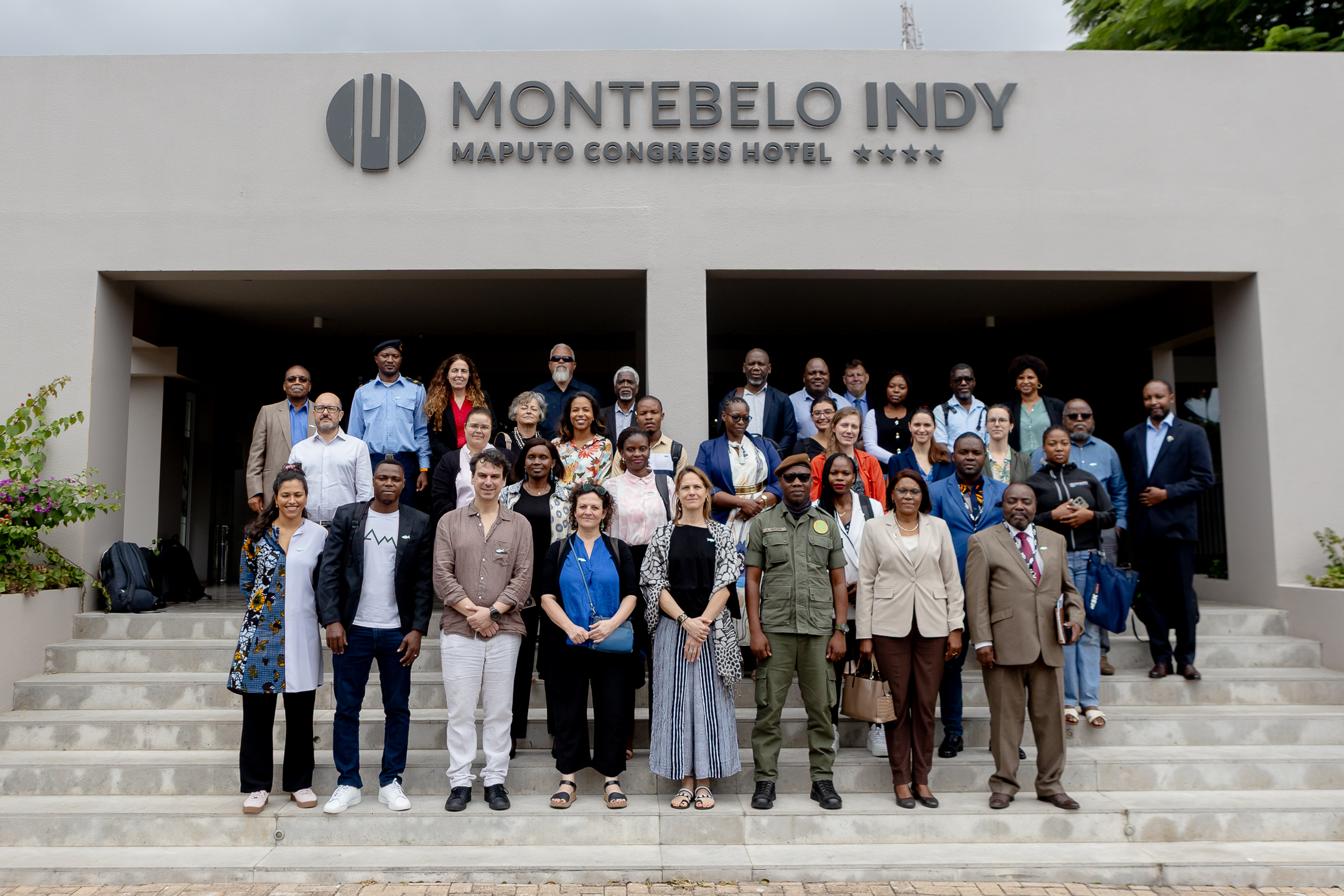
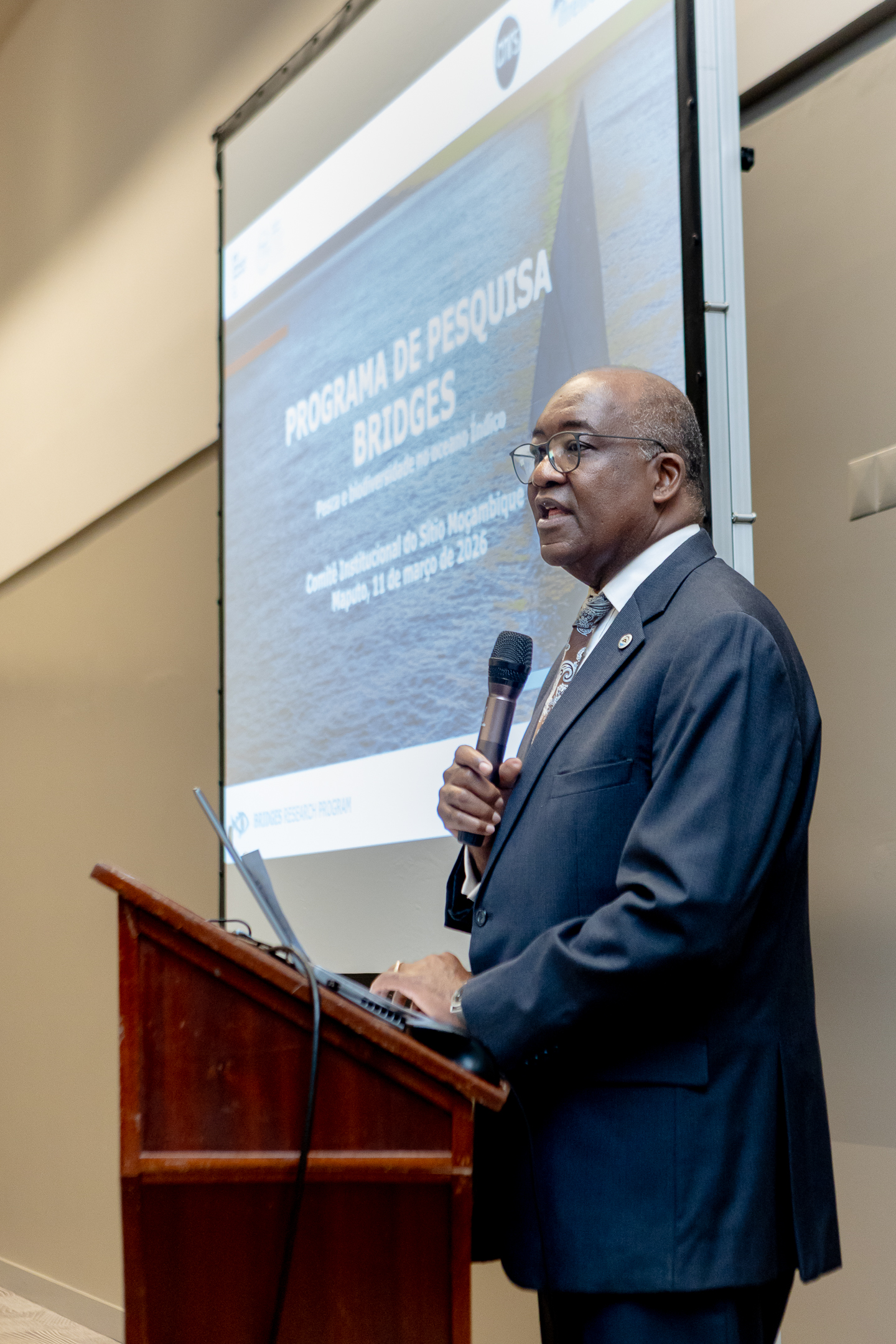
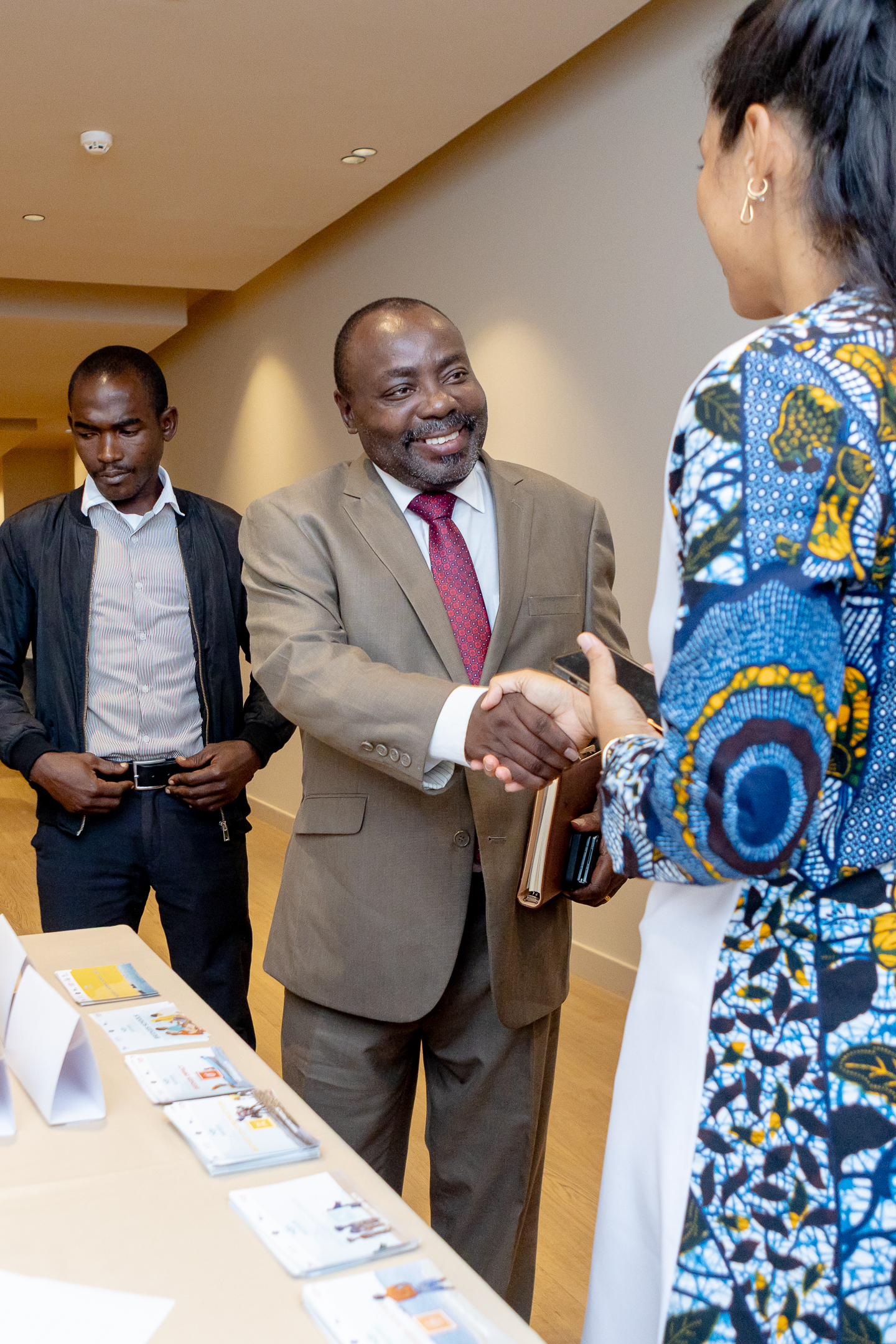
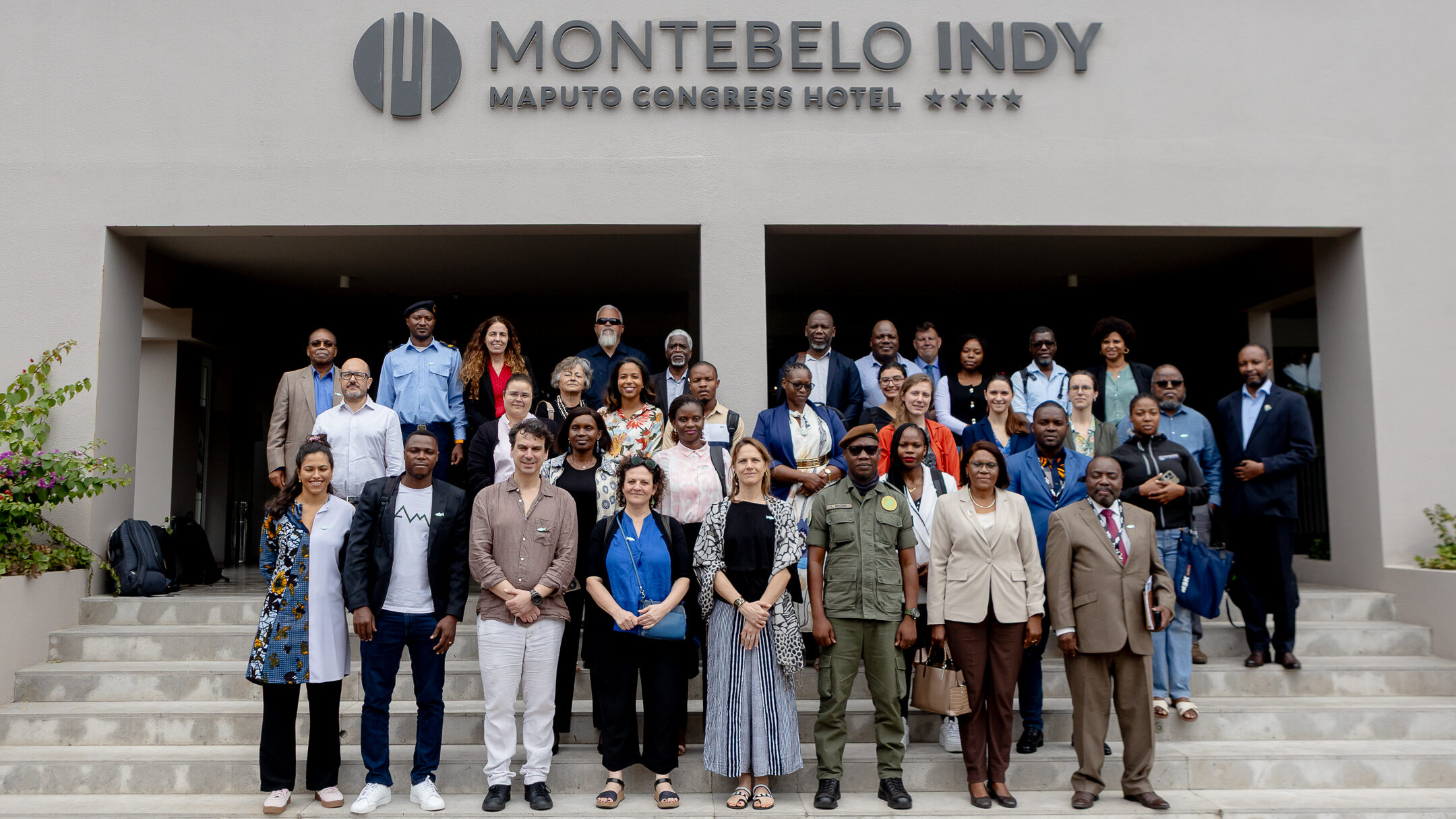
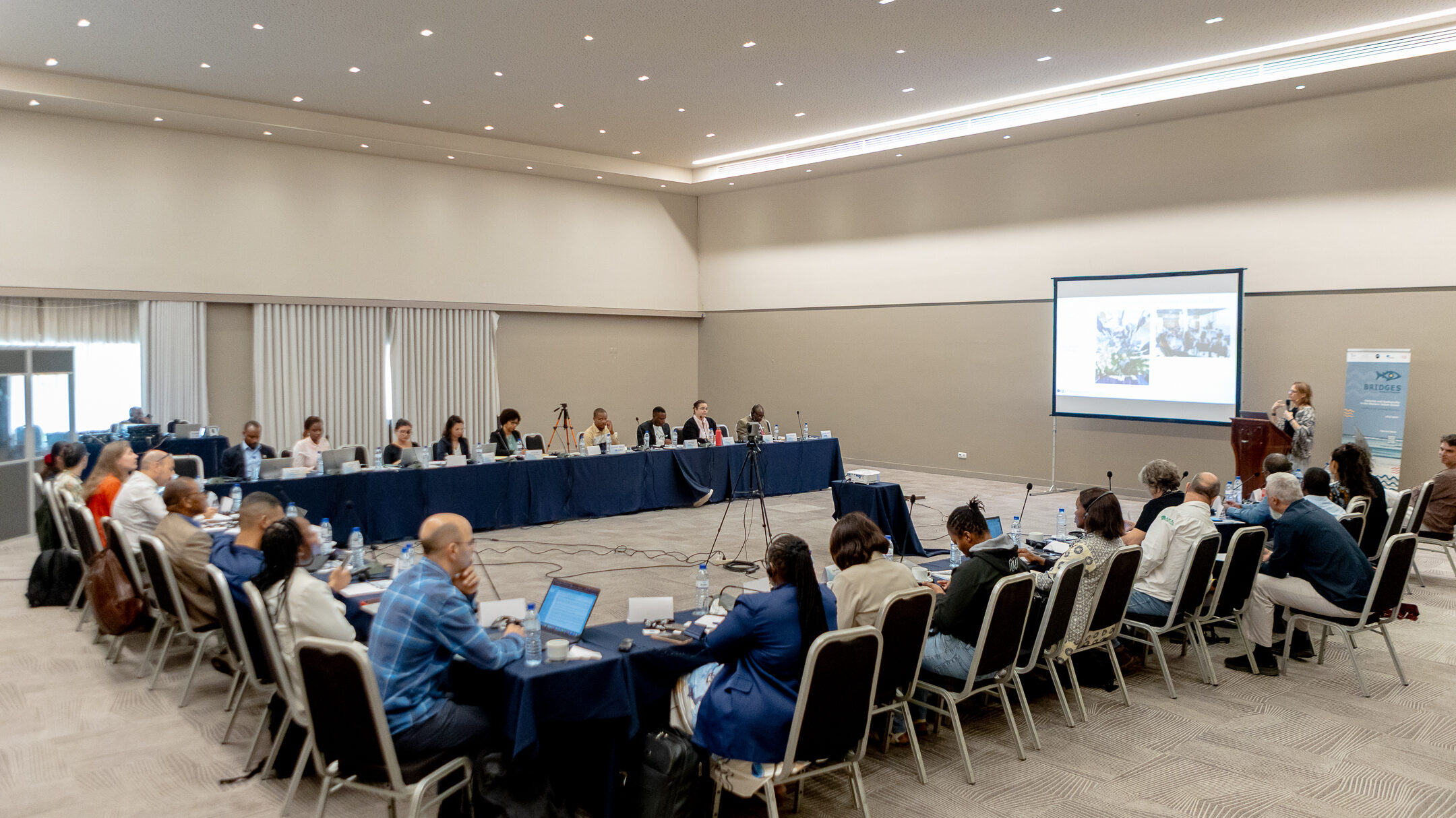
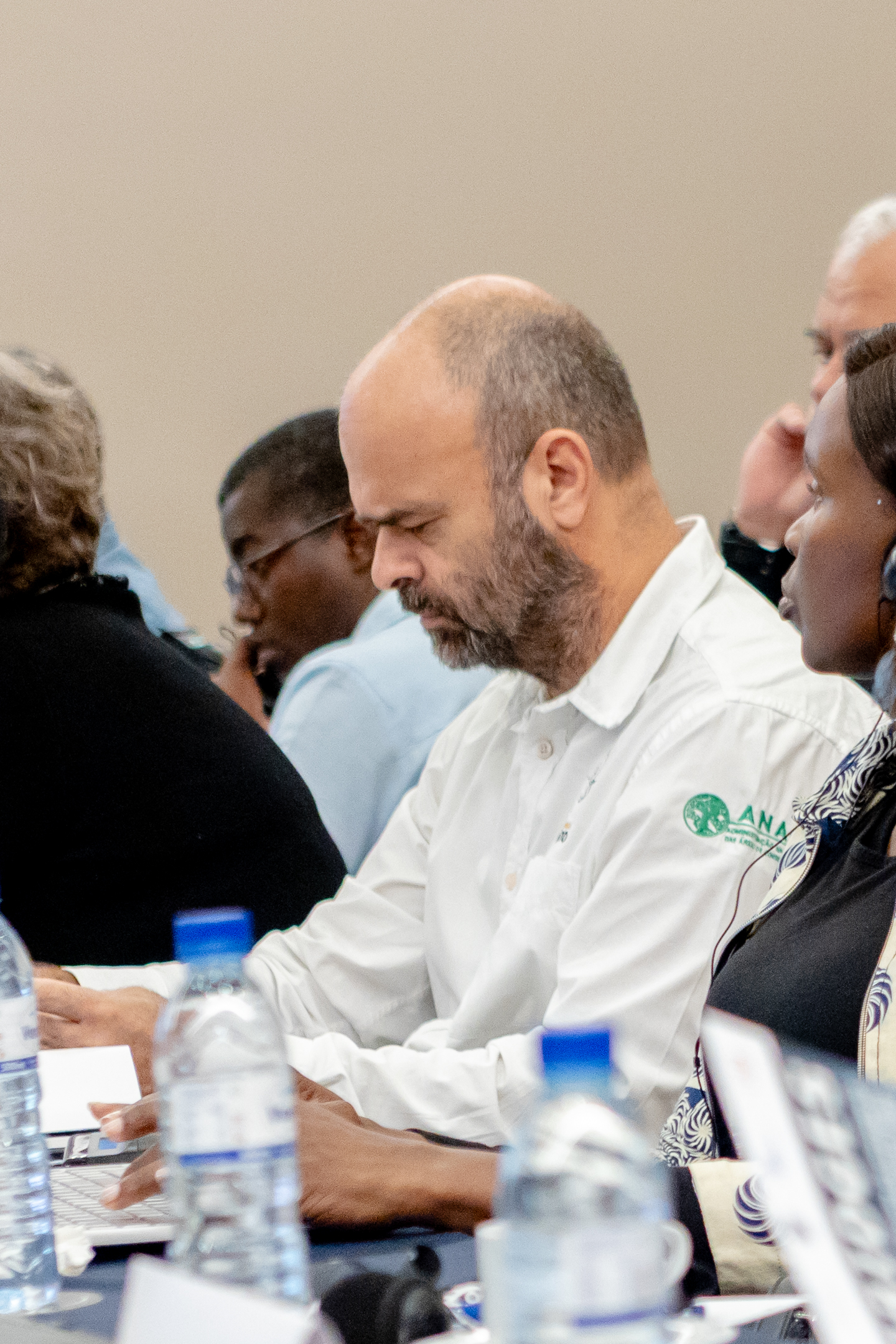
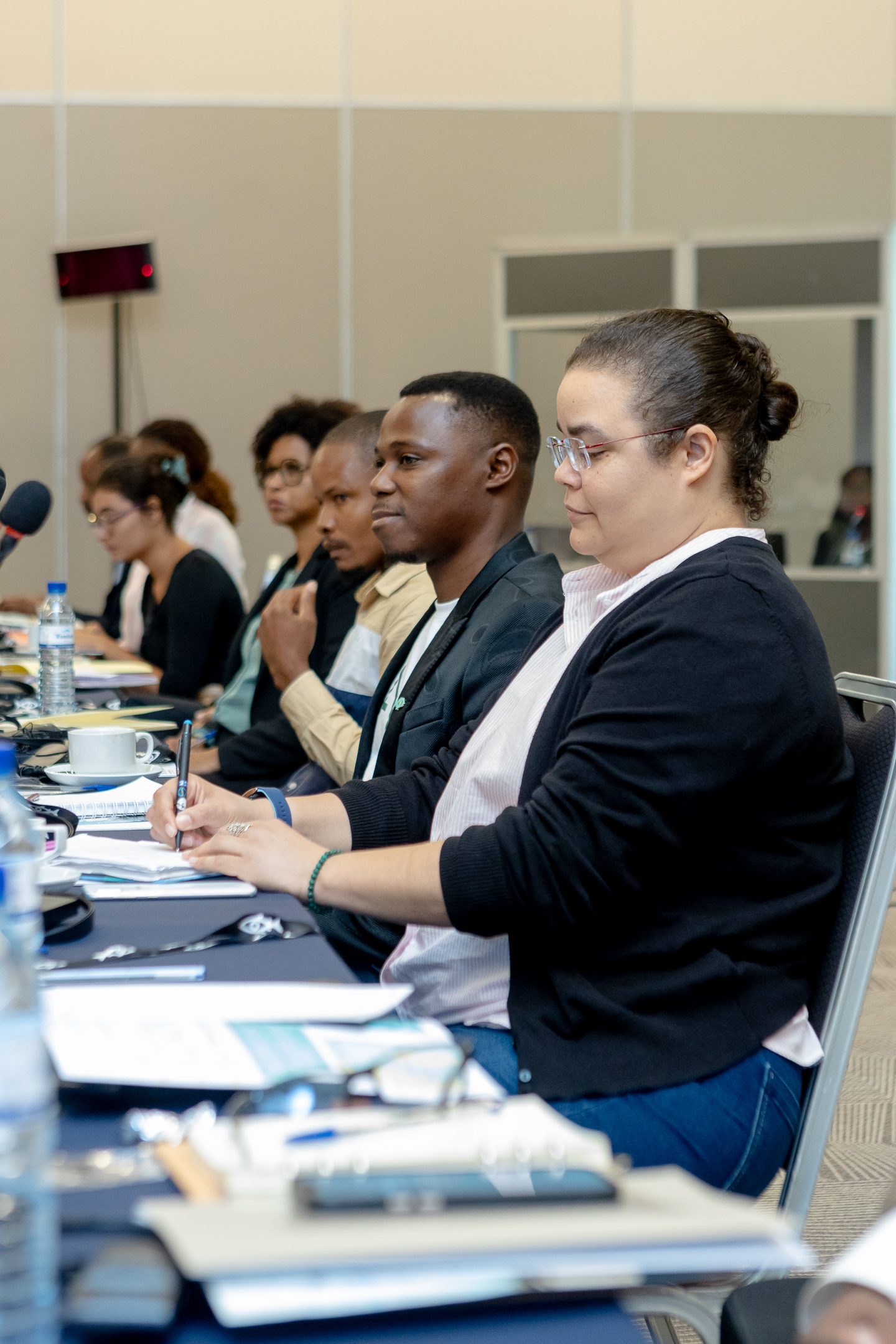
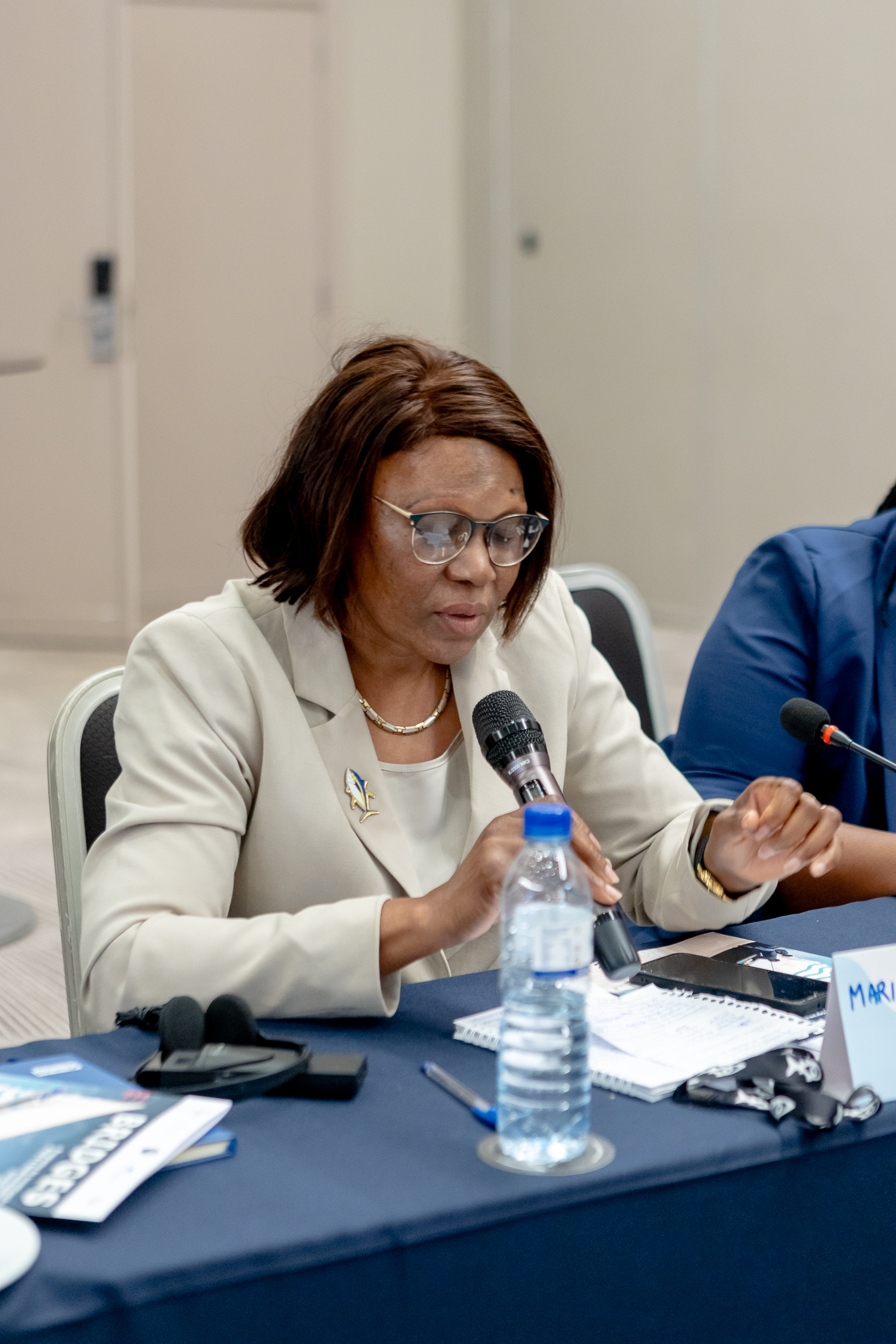
The first meeting of the Mozambique CIS, which brought together 38 in-person participants, was a highlight of the mission. By bringing together key institutional partners, this body aims to ensure that the governance of the BRIDGES program is aligned with local and national priorities. It provided an opportunity to discuss joint areas of focus and to strengthen the role of Mozambican actors in the program. This event concludes a series of institutional launches at our study sites, which are part of the co-construction approach championed by BRIDGES.
BRIDGES, a 10-year research and scientific cooperation program, is committed to supporting transformations toward more sustainable and equitable fisheries management and improved biodiversity conservation. BRIDGES places local stakeholders at the heart of its research and supports them by studying complex systems and developing tailored solutions and tools designed specifically for them.
Upcoming steps in Mozambique include:
- A co-construction workshop in July 2026 to jointly define priority areas of focus.
- The BRIDGES x DATA TERRA training – Mozambique edition, dedicated to scientific data management.
We would like to warmly thank all our partners for their hospitality, commitment, and active participation in this mission.
List of institutions present at the first CIS Mozambique meeting:
Academic actors
- Eduardo Mondlane University
- Joaquim Chissano University
- Pedagogical University of Maputo
- Rural Environment Observatory (OMR)
Mozambican institutional actors
- Ministry of Agriculture, Environment, and Fisheries
- Ministry of Education and Culture
- National Administration of Conservation Areas (ANAC)
- National Institute of the Sea (INAMAR)
- Oceanographic Institute of Mozambique (INoM/IIMP)
Foreign cooperation agencies
- French Development Agency (AFD)
- European Union Delegation to Mozambique
- Expertise France
- French Embassy in Mozambique
- GIZ
National Parks and Protected Areas
- Maputo Environmental Protection Area (APA Maputo)
- Maputo National Park
NGOs and Foundations
- Biofund
- International Union for Conservation of Nature (IUCN)
- Likhulu Foundation
More news News