UNDERSTANDING BRIDGES INFORMATION
An information system to better understand and manage marine social-ecological systems in the southwest Indian Ocean
BRIDGES INFORMATION is working to set up an Information System for social-ecological systems in the southwest Indian Ocean (SWIO) for the BRIDGES research program. This project is led by University of La Réunion, CNRS and Ifremer. This information system (IS) facilitates access to all the data and digital resources needed to better understand and manage these interconnected ecosystems. Starting in 2026, it will serve as a common knowledge base for all the other scientific components of the BRIDGES program, supporting research, decision-making and regional cooperation.
A regional tool deployed in a fragmented data landscape
BRIDGES INFORMATION designs the architecture of the Information System, based on open source tools and the infrastructures of the University of La Réunion. It is interoperable, secure and aligned with the FAIR principles (Findable, Accessible, Interoperable, Reusable). It will ultimately host a data catalog dedicated to the BRIDGES Program.
The Information System is a cross-functional tool that harvests data from all BRIDGES research areas, from long-term coastal observation data to socio-economic data on fishing, for example. It also facilitates the pooling of data, and will eventually enable integrated analyses. Deployed at SWIO level, it aims to be a useful tool for researchers in the region who are working or will work on the Program’s research themes.
The challenges facing this Information System are numerous:
- Fragmentation of data from research projects, observatories or public agencies, for example.
- Heterogeneity of formats and methods: each discipline and stakeholder has its own practices.
- Accessibility: some data is inaccessible, poorly documented or difficult to reuse.
- Regional coordination: it aims to be an integrating research tool at SWIO level.
All You Need to Know About the Information System
How does it work, and where is it hosted?
The Information System is a digital resource catalog built on the open-source tool GeoNetwork (version 4.4.5). It is hosted within the OSU-Réunion infrastructure at the University of La Réunion. Designed to be interoperable, secure, and FAIR-compliant, it is regularly updated with digital data and resources related to BRIDGES themes.
If you notice missing data or need guidance on procedures, contact: pc1_bridges@services.cnrs.fr
Data Producers’ Sovereignty
The primary role of the BRIDGES catalog is to centralize data produced under the program by harvesting it from disciplinary or national repositories (e.g., GéOsur, HubOcean, Nakala, Pangaea, Recherche.data.gouv, Seanoé, Sextant, Zenodo, etc.), all of which adhere to FAIR principles. This ensures that each data producer retains sovereignty over their datasets, while BRIDGES guarantees their interoperability and visibility.
Training to Align the Tool with User Needs and Best Practices
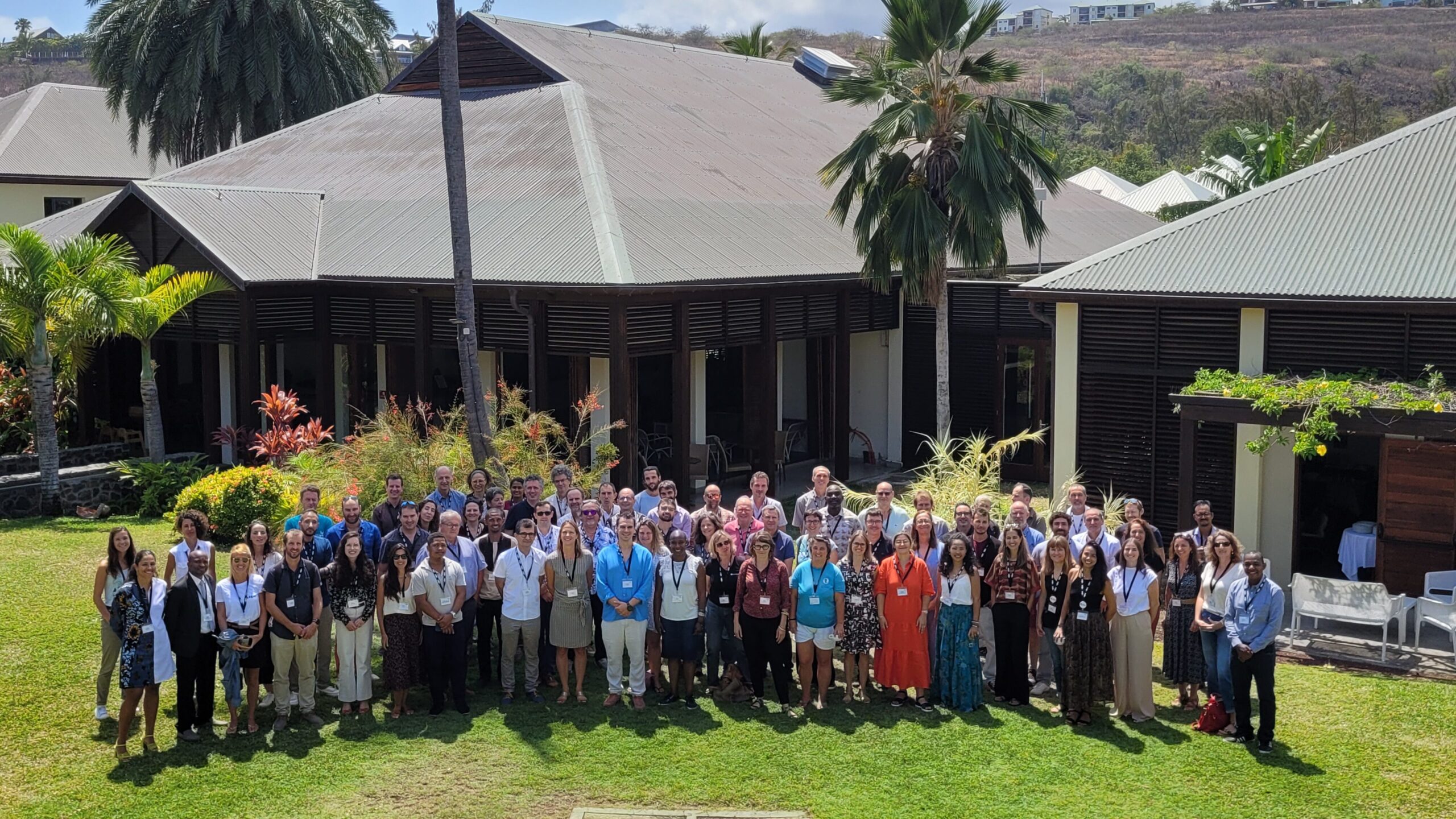
BRIDGES x DATA TERRA training sessions, held in 2025 and 2026 across the BRIDGES study sites, bring together data stakeholders (users and producers). Over a week, participants train in data management, covering Open Science, FAIR principles, data lifecycle, disciplinary repositories, and the importance of metadata. Exchange sessions on individual themes and practices aim to build an Information System that is relevant and useful for all BRIDGES partners, while harmonizing practices toward FAIRer and more Open Science-aligned data management.
How Can We Ensure the System’s Long-Term Sustainability?
The BRIDGES catalog, integrated into OSU-Réunion, coexists with other catalogs like GéOsur. Its long-term maintenance is ensured by the existing teams, guaranteeing durability and future evolution. Additionally, in a context of growing cyber threats, this Information System operates within a secured framework, featuring robust data protection mechanisms and access controls to ensure confidentiality, integrity, and availability of information.
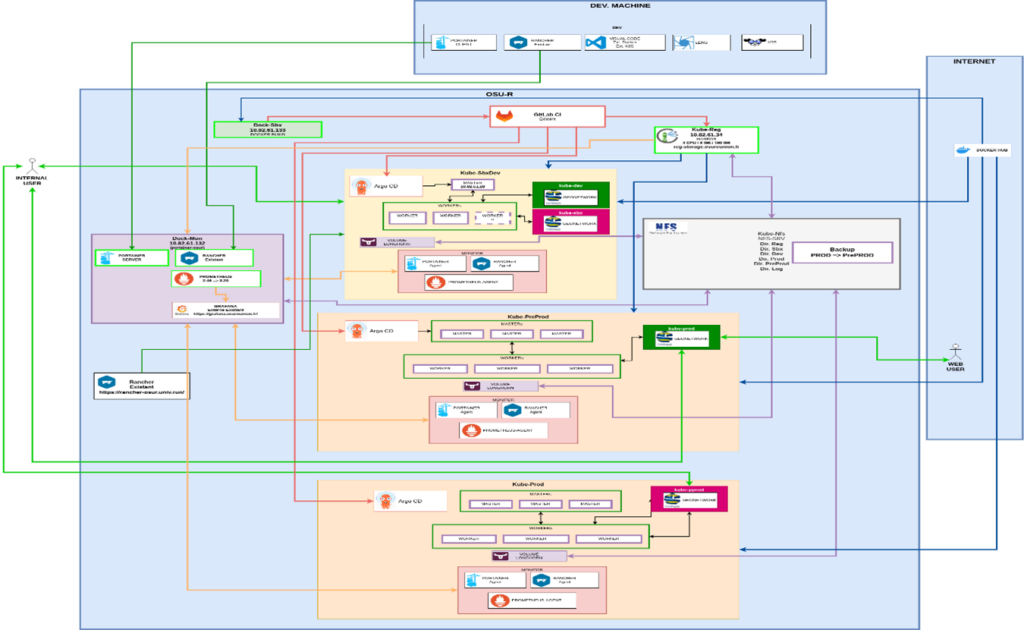
Figure 1: Structure and deployment of the BRIDGES Information System via GeoNetWork 4.4.5
A strong collaboration with the University, OSU-Réunion and Data Terra
The IS is hosted on the IT infrastructure of the University of La Réunion, in conjunction with OSU-Réunion and the catalog currently in place, Geosur. The University contributes its expertise in data engineering, interoperability and FAIR support, as well as its strong territorial roots. For example, the IS will integrate data currently available via the portals of Réunion’s observatories (OPAR, OZC, STACOT, etc.), which are already included in the catalog. This work is being carried out in partnership with Ifremer’s SEXTANT teams, and Data Terra‘s ODATIS unit.
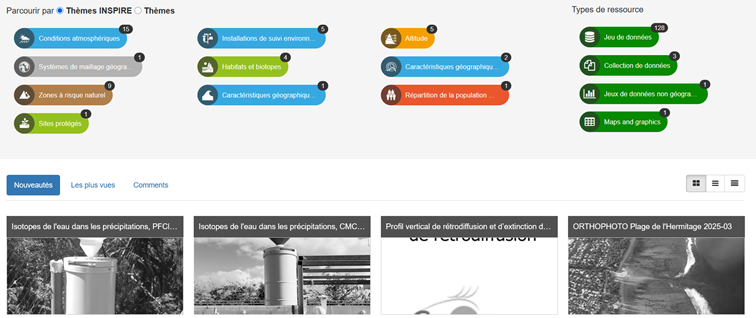
Figure 2: OSU Réunion’s current GeoSur catalog, which will evolve over time.
To find out more
If you are interested in this approach, please contact the BRIDGES INFORMATION team at pc1_bridges@services.cnrs.fr.
More news News