BRIDGES x DATA TERRA training: the third edition in Mayotte in March 2026
BRIDGES x DATA TERRA Training Courses :Towards FAIR, ethical, and sustainable research data management for Open Science
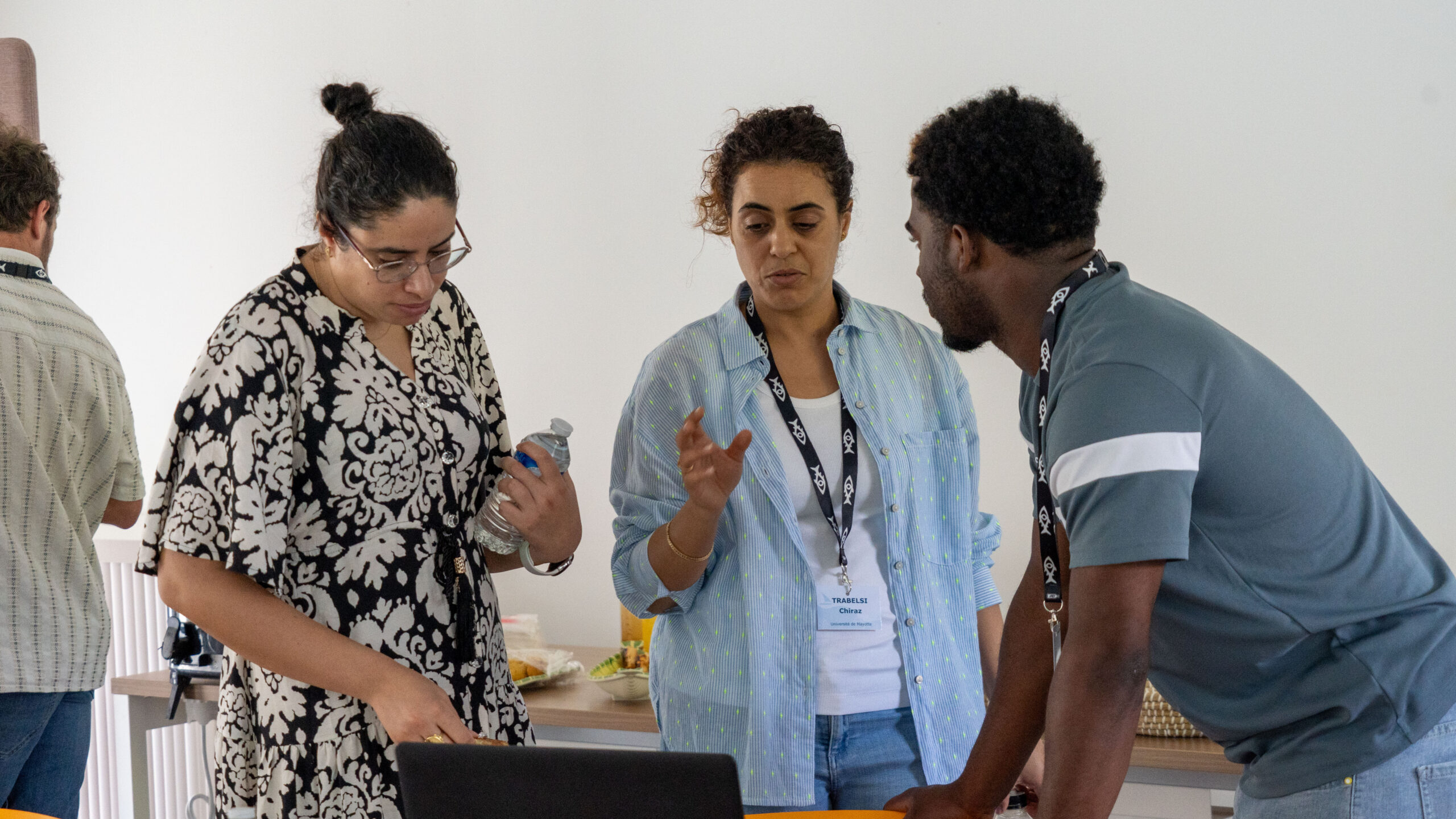
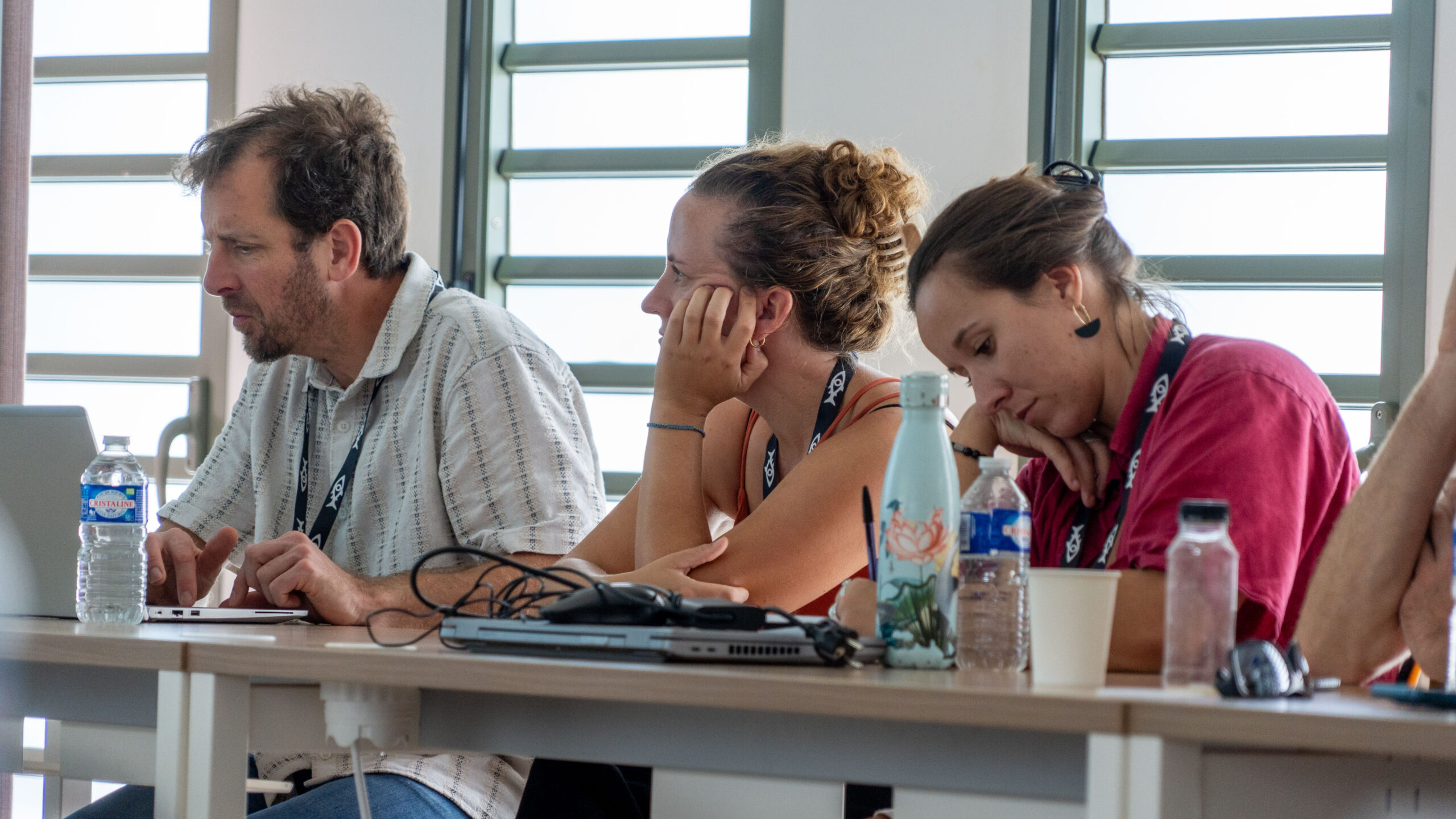
From Monday 30 March to Friday 03 April 2026, BRIDGES organised in Mayotte the third training course of the BRIDGES x DATA TERRA series dedicated to the management of FAIR, ethical and sustainable research data for Open Science.
The objectives of the training remain the same: to strengthen the skills of the various academic, institutional, managerial and other actors, around the life cycle of research data, from collection to publication. The training promotes an Open, ethical and sustainable Science approach, following the FAIR principles, in line with the themes of BRIDGES: fisheries, biodiversity and marine socio-ecosystems of the Indian Ocean.
A look back at an intense week, driven by theory, practice, and shared experiences:
Day 1 – The research data management ecosystem in a French context, and exchanges
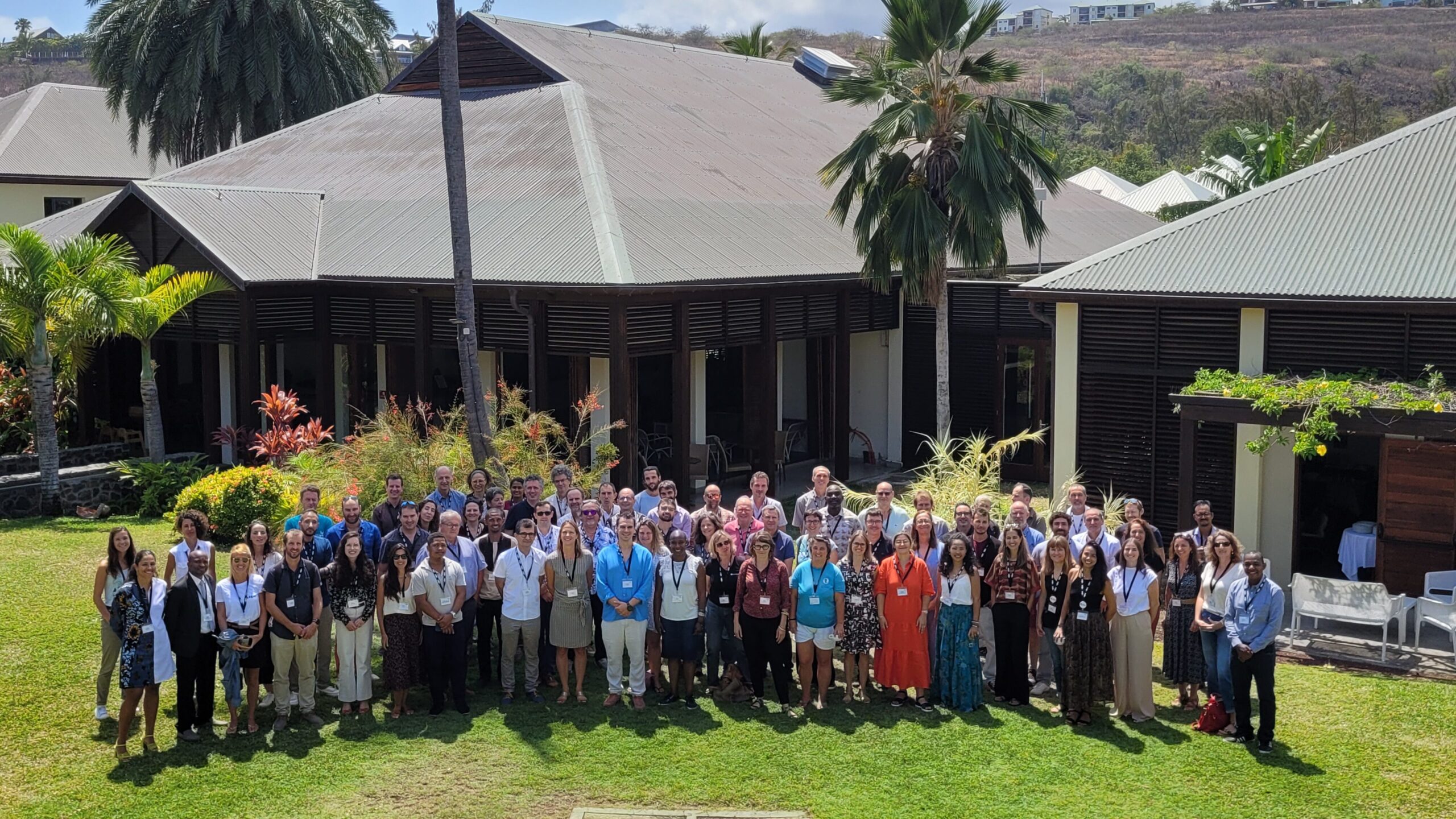
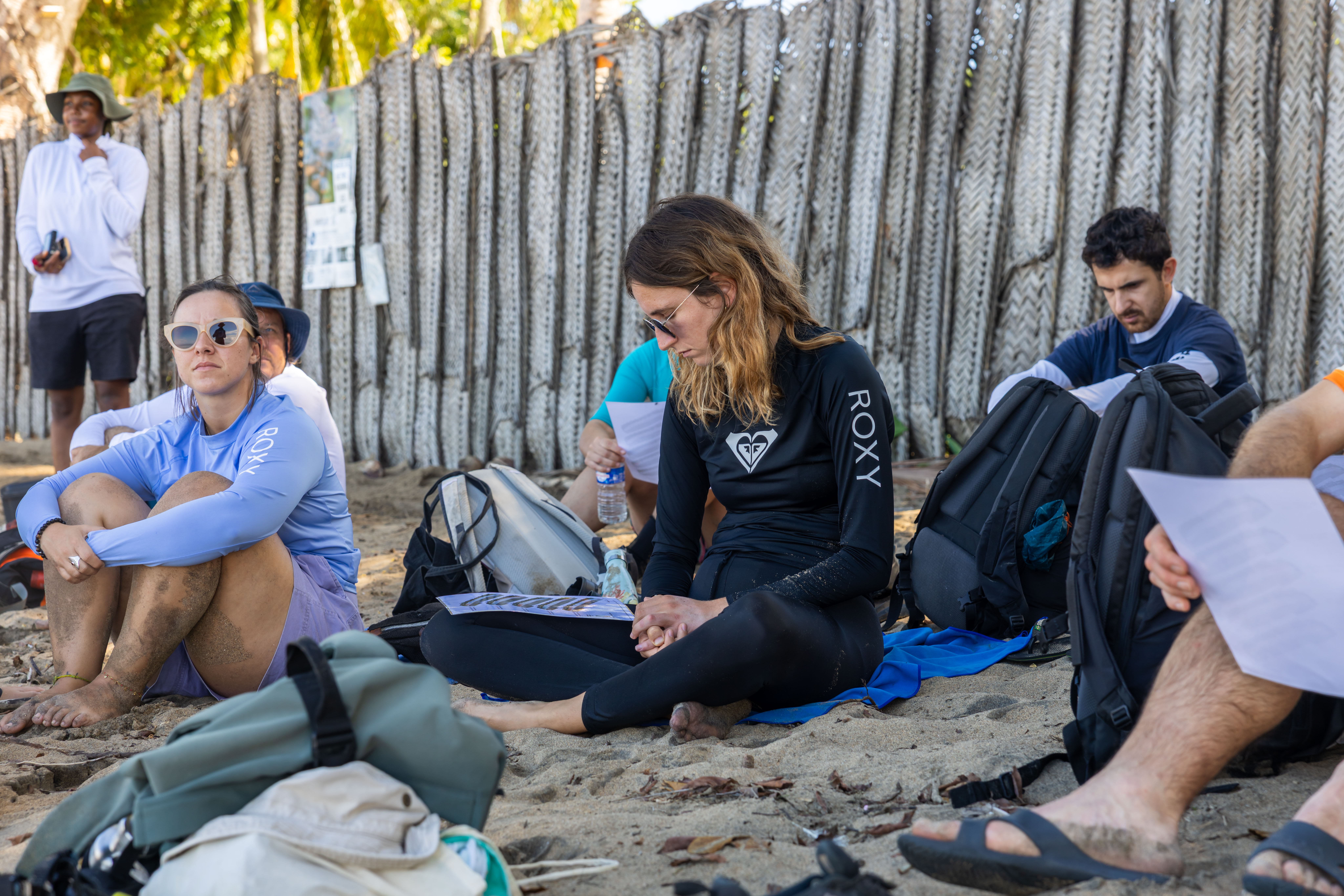
In the morning: Seminar open to the public
- Presentation of the BRIDGES programme in the Mayotte context
- Discovery of the Data Terra Research Infrastructure (RI) and its Ocean ODATIS cluster
- Presentation of the RI HumaNUM, a digital infrastructure for research data management in France
- Presentation of the ILICO observation facility and the labelled tools
Afternoon: Discussions with participants about their data management needs
Day 2 – Open Science, FAIR Principles, Data Lifecycle and Terrain Preparations
- Focus on the concepts of Open Science, FAIR principles & data life cycle in a fun way with the game “À l’asSO!“
- Presentation of the issues, data and research services in Mayotte as part of BRIDGES
- Setting the stage and best procurement practices
- Presentation of the three work scenarios:
- BIOLOGY scenario with discovery of monitoring protocols (sponge and habitat)
- TEMPERATURE scenario around the installation and programming of a sensor
- IMAGE scenario with coastline tracking data acquisition
Day 3 – Collecting data in the field: putting collection into practice
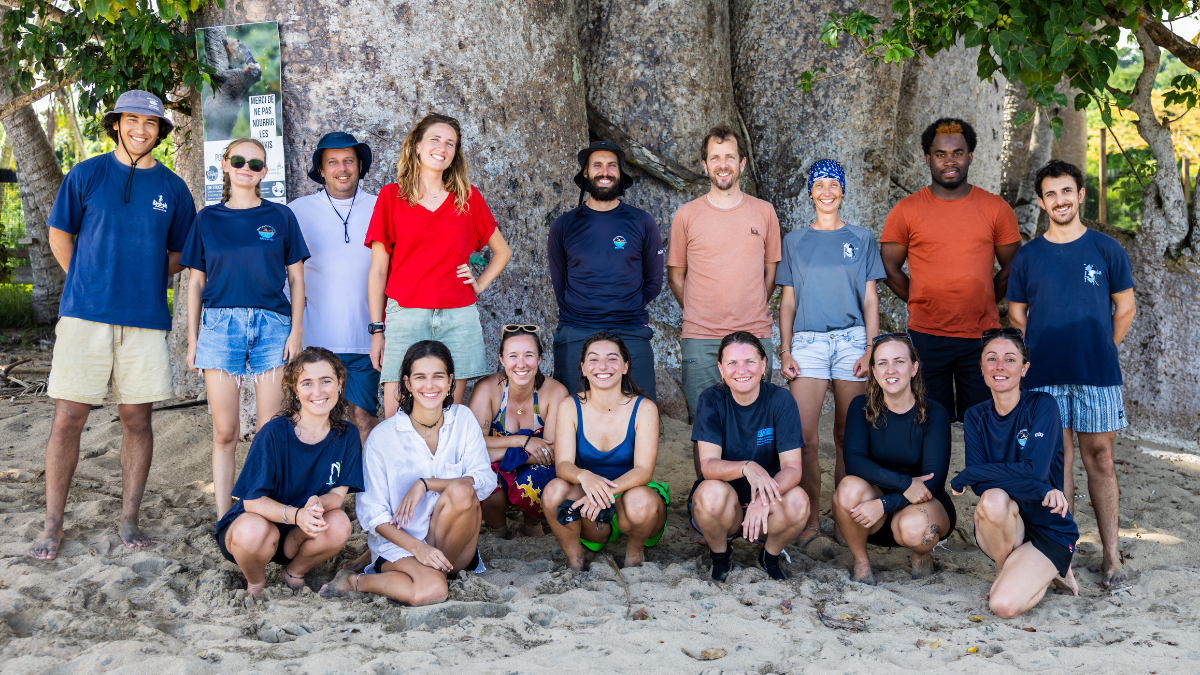
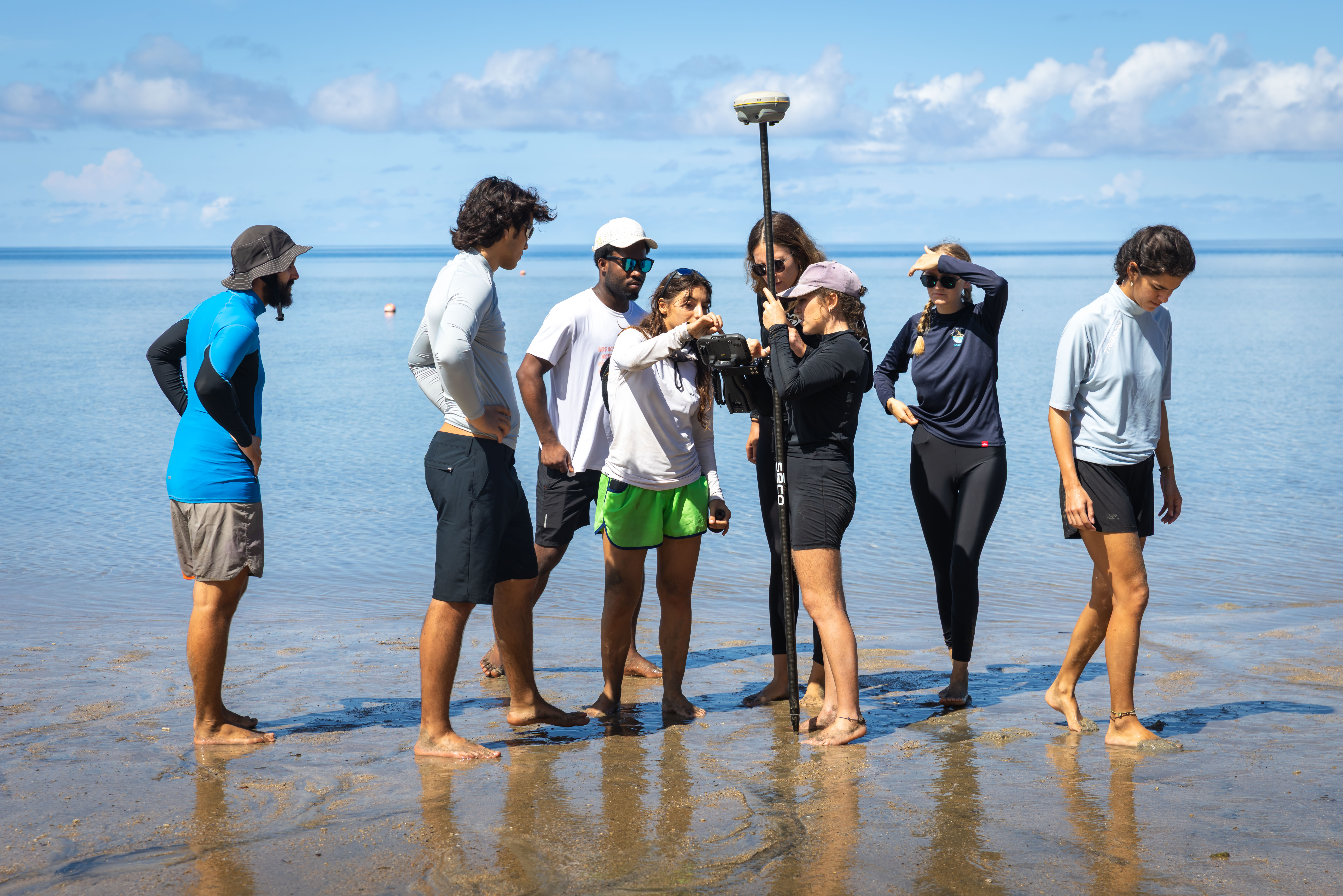
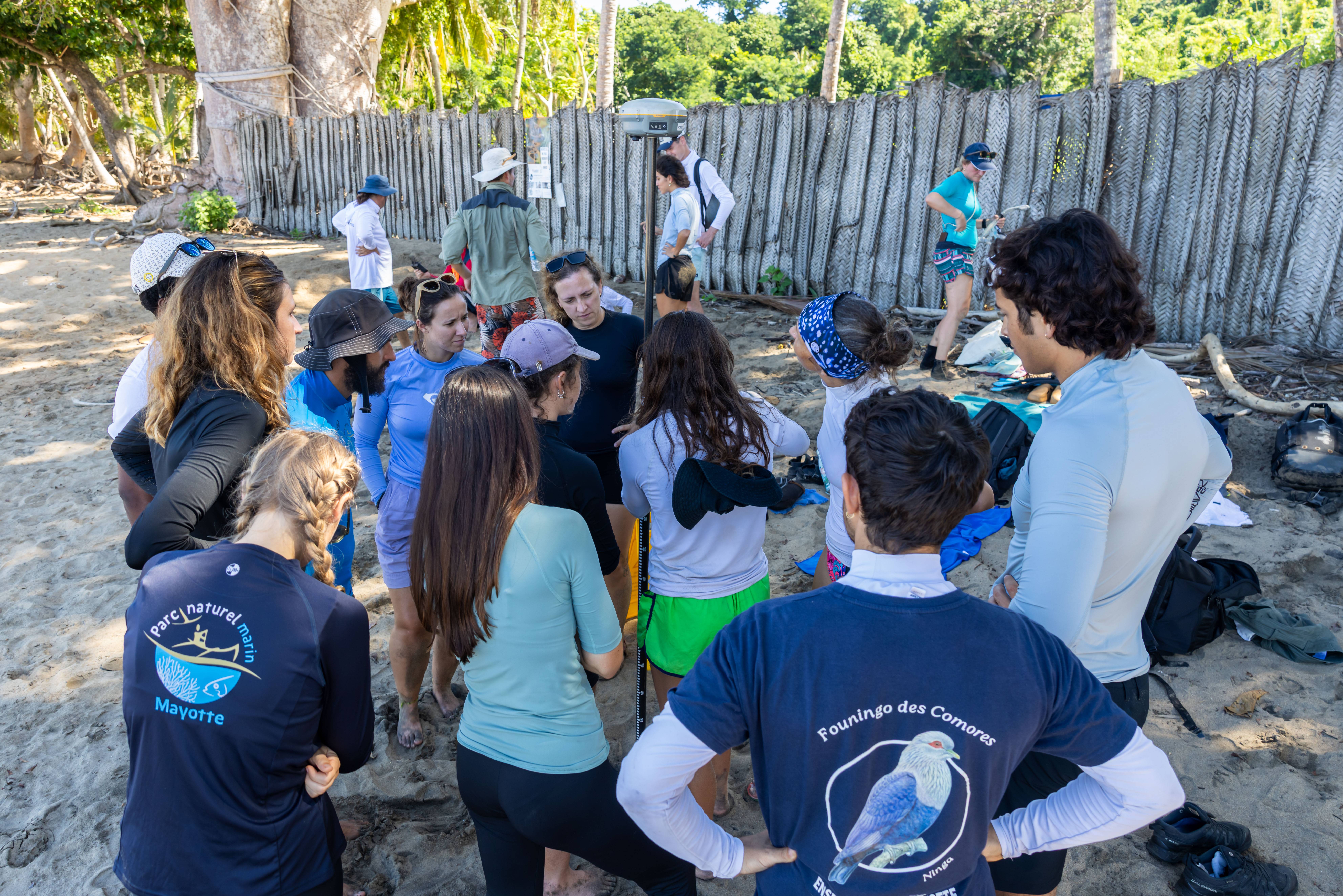
Field trip to the beach of N’Gouja, DYNALIT site, to adopt the right reflexes from the outset of the collection
- Presentation of the DYNALIT website
- Data collection for the different scenarios:
- BIOLOGY: BELT protocols for sponge monitoring and Quadrat for reef habitat monitoring
- TEMPERATURE: installation of an underwater temperature sensor
- IMAGE: acquisition of topographic data from beach transects and discovery of the drone survey device
Day 4 – Analysis and processing: data qualification, cleaning and structuring
- BIOLOGY: transfer field data to a suitable spreadsheet and use of OpenRefine software
- TEMPERATURE: discharge and reading of data from the temperature sensor, thanks to the Ruskin software in conjunction with the National ReefTEMPS Observation Service (IR ILICO), and introduction of the concepts of QualityFlag & Processing Level
- IMAGE: Getting started and exercising on the QGIS software. Discovery of the macro-Excel PROFILER to edit range profiles
Day 5 – Publishing, sharing and valuing data
- Challenges of sharing, legal framework, ethics, digital sobriety and archives around data
- Catalogs vs. Data Warehouses, Standards, Metadata, Persistent Identifiers and Data Papers
- Data Repository Exercise in the Sextant & Seanoé Data Warehouses
- Presentation of the UNESCO initiative – Ocean Data Sharing
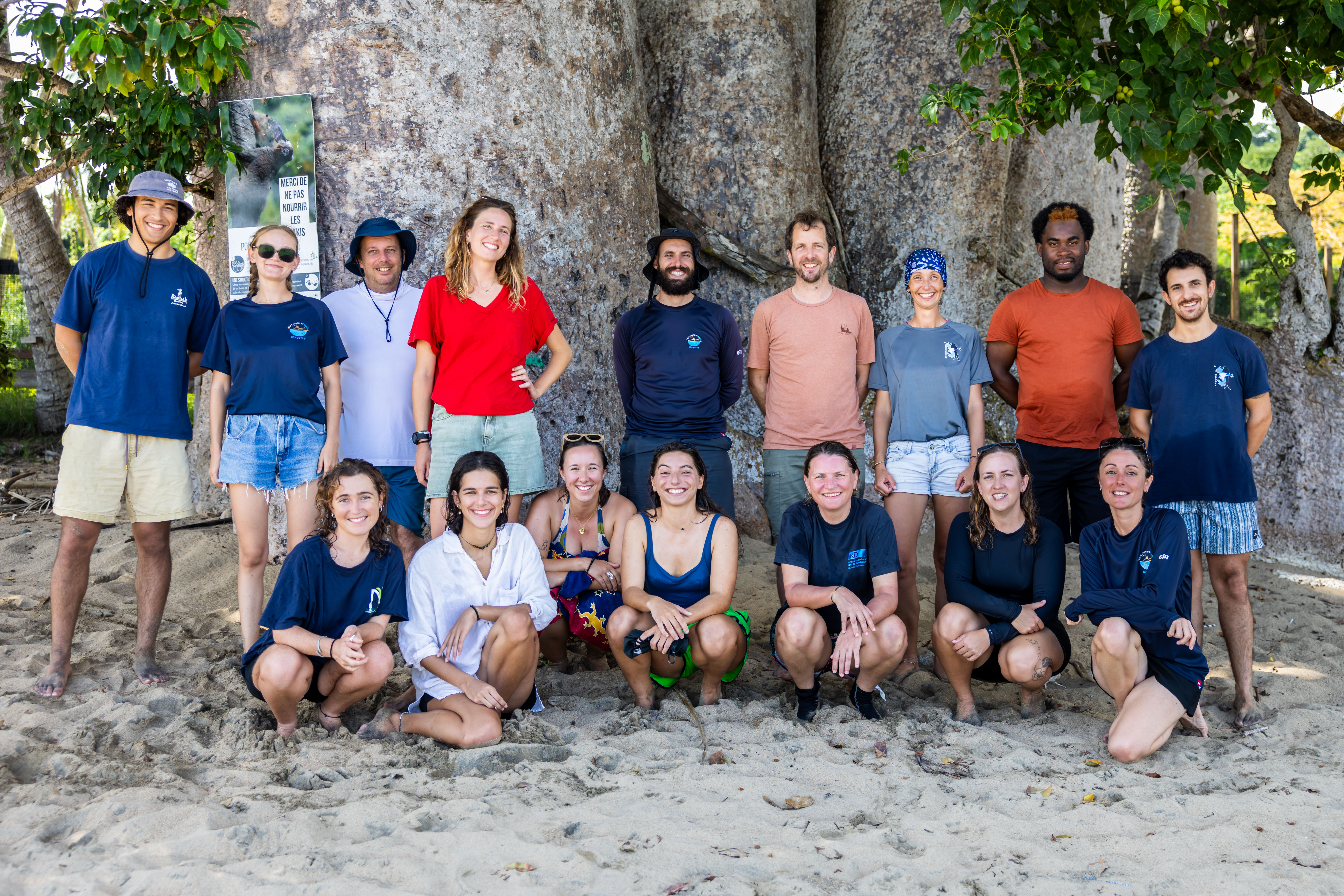
We thank all the participants and speakers for their commitment, the quality of the exchanges and the richness of the contributions.
Key Partners:
Data Terra Research Infrastructure, ODATIS Cluster, University of Mayotte, ILICO Research Infrastructure, Maison des sciences humaines et sociales en Bretagne (MSHB)
Photos : swipe left to see more photos
More news Events