A regional network for the long-term observation of marine socio-ecosystems in the southwestern Indian Ocean
To understand changes in how marine ecosystems function and their interactions with human societies, it is essential to generate reliable, comparable, and actionable data over the long term. The goal? To track trends and changes to inform decision-making for sustainable and equitable fisheries management, as well as improved conservation of marine biodiversity.
This is the goal of BRIDGES OBSERVATION: to build a regional network for observing marine socio-ecosystems, drawing on existing systems and expertise while strengthening them. The goal is to integrate socioeconomic and environmental data to provide a comprehensive and coherent overview, tailored to local and regional scales in the southwestern Indian Ocean.
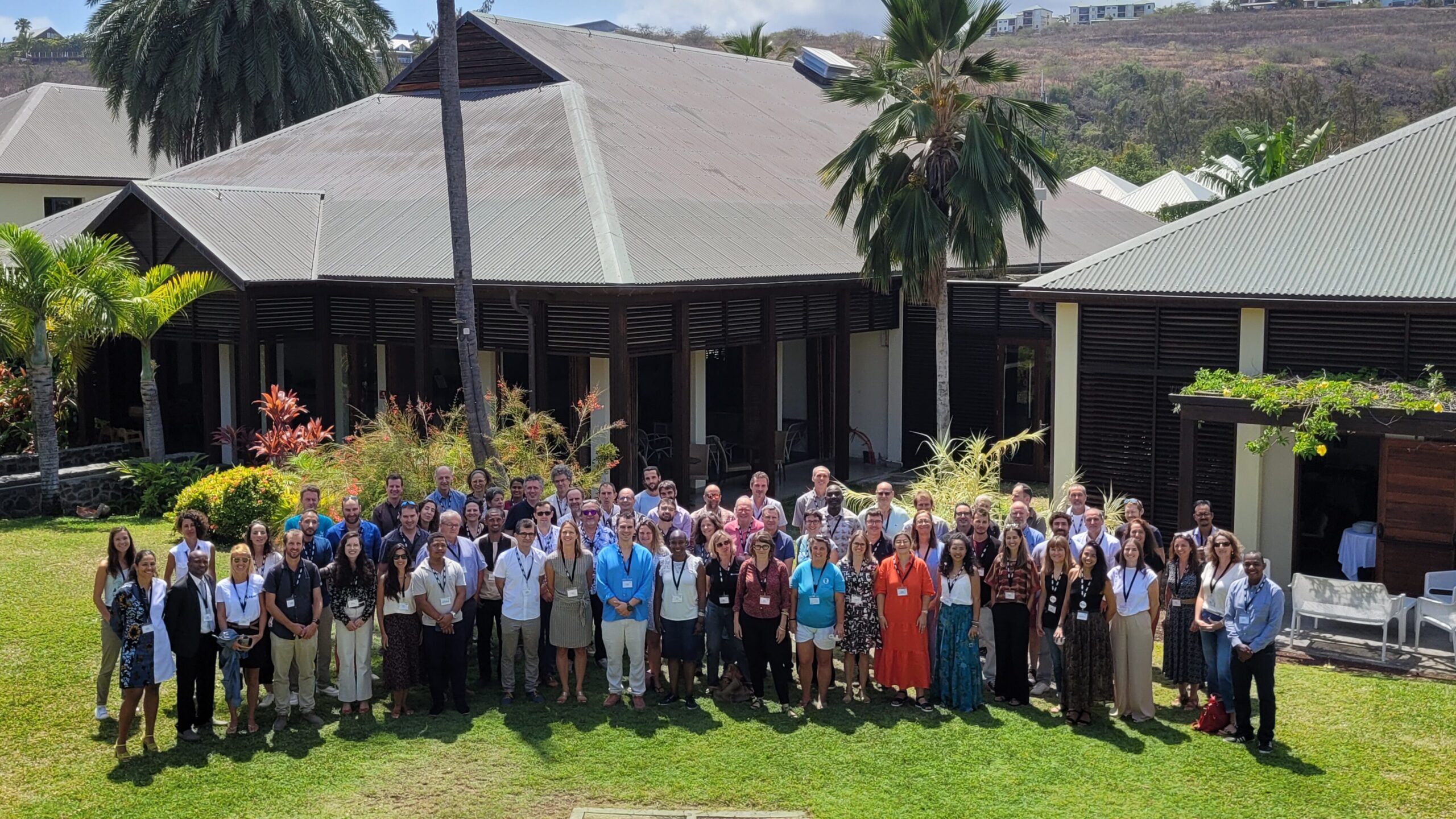
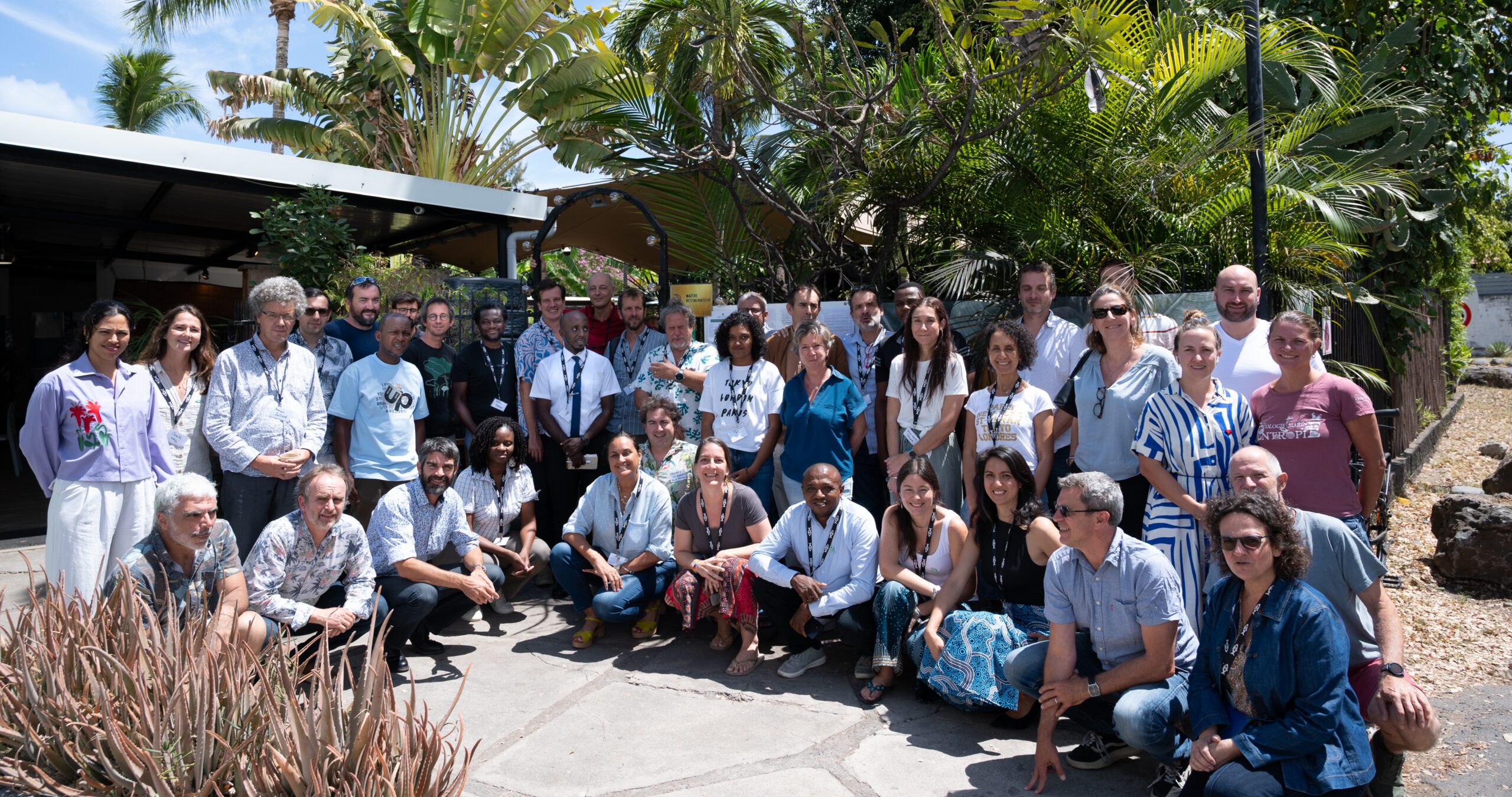
From September 15 to 17, 2026, the project brought together 44 participants in Réunion to develop a regional strategy for observing marine socio-ecosystems. Over the course of three days, scientists and field practitioners discussed research questions and on-the-ground realities, data and indicator needs, as well as existing and future systems. The goal: to inform the specifications for the observatory, which is scheduled to be deployed as early as 2027.
Connecting Observations and Expertise
BRIDGES OBSERVATION aims to bring together existing observation systems to create an integrated network of regional observatories, based on the “FAIRE” principles: Reliable, Accessible, Inclusive, Rational, and Ethical.
To achieve this, the initiative is structured around three key areas:
- Facilitating a network of stakeholders to optimize and ensure the long-term sustainability of these observations.
- Defining a common set of essential variables to be tracked across all partner sites.
- Identifying existing systems and additional observations to be developed, taking into account the needs and capacities of each region.
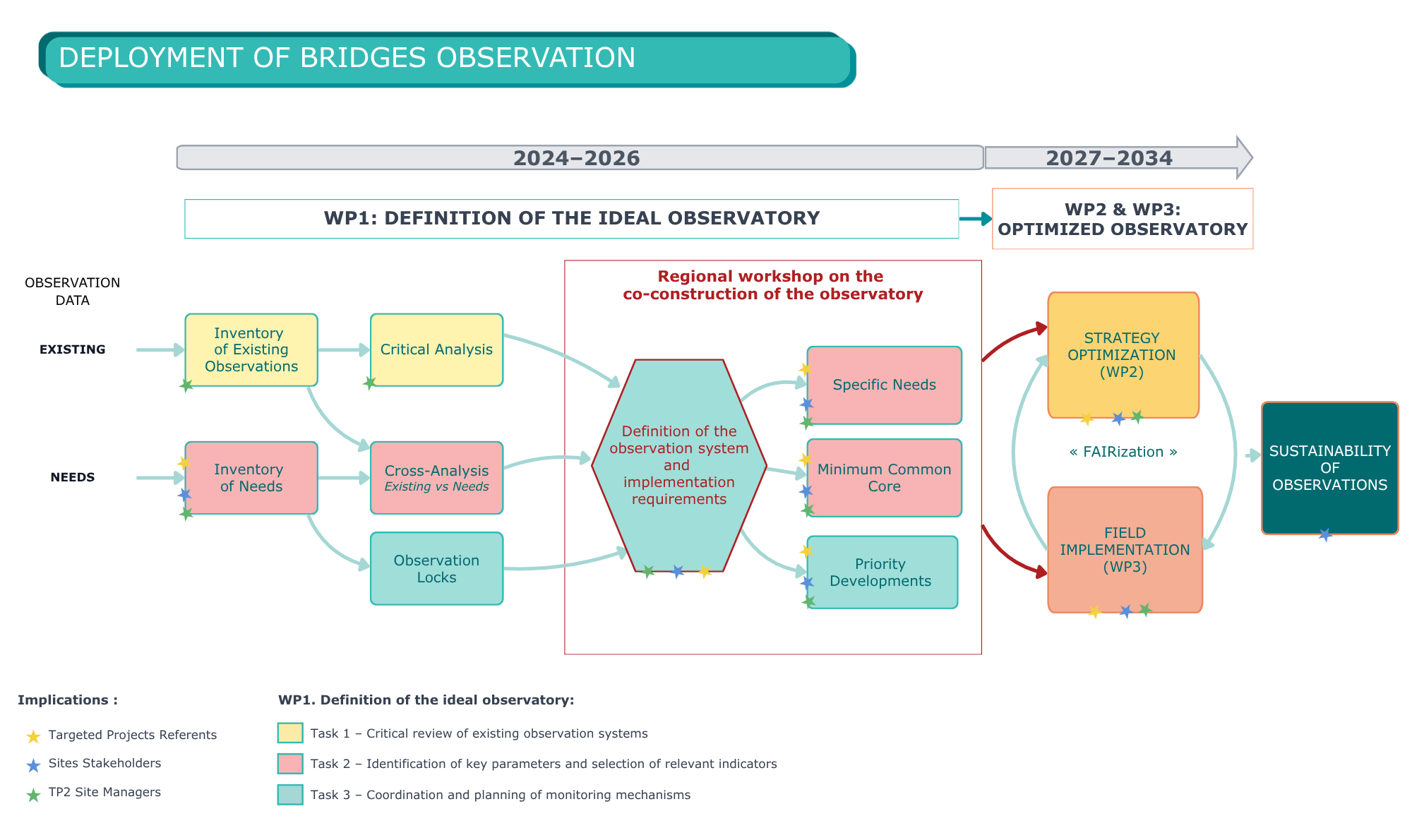
From 2024 to 2026: Laying the Groundwork
Prior to the September workshop, two years of preparatory work made it possible to:
- Map existing initiatives: an inventory of 51 observatories in the region. This inventory represents a first-of-its-kind effort in the southwestern Indian Ocean and provides a solid foundation for building the network.
- Identify the needs of BRIDGES’ partners and scientific projects to define a common strategy,
- Analyze the synergies between existing initiatives and the observatory’s terms of reference, as well as gaps and areas for improvement.
- Create tools to facilitate access to data via the information system developed by BRIDGES INFORMATION:
- A catalog of digital resources to centralize information.
- An interactive map of stakeholders and interested parties.
September 2026: Three Days to Co-Construct the Observatory
On September 15, 16, and 17, 2026, the regional workshop to co-construct the observatory brought together researchers and partners from Réunion, Mayotte, the Comoros, Mozambique, and the French Southern and Antarctic Lands: research institutions, universities, marine protected area managers, professional organizations, and associations. This involvement from the very outset of the project is essential for developing systems tailored to the practices, resources, and needs of stakeholders on the ground, while strengthening the ties between science and society.
The discussions aimed to collectively define:
- A minimum common set of essential variables to monitor
- Appropriate methods, whether ready for immediate implementation or requiring further development
- The location, spatial resolution, and frequency of the necessary observations.
A Look Back at the Workshop
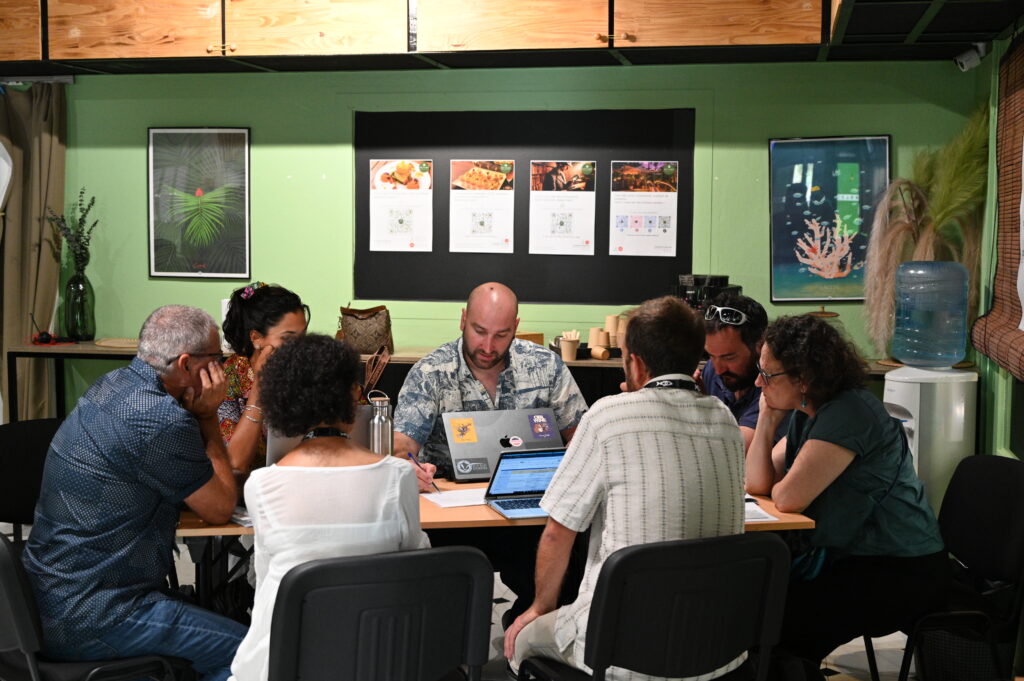
Workshop 1 — Defining Key Variables to Monitor
Participants focused on five themes: fisheries monitoring, resources, habitats and biodiversity, environmental determinants, and societal dimensions.
This first workshop resulted in:
- A list of key variables to monitor over the long term.
- The minimum spatial and temporal scales for observation.
- Methods that can be implemented immediately.
Possible further developments and complementary methods.
⚠️ Limitation: The workshop did not explore in depth the interactions between the various themes or the possibilities for sharing the different proposed observation systems.
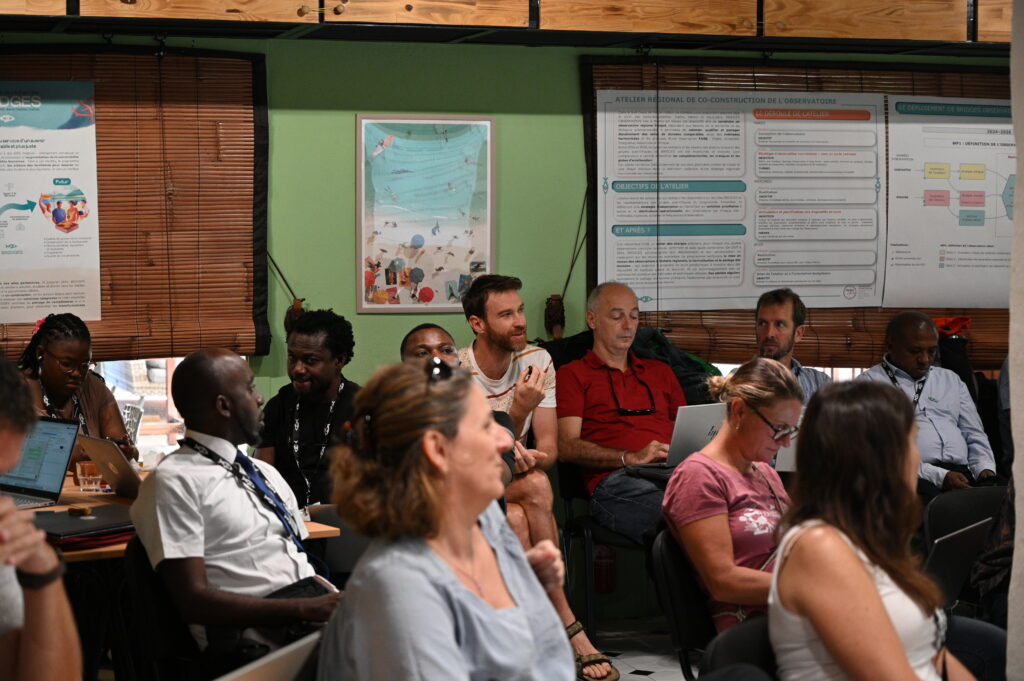
Workshop 2 — Adapting Observations to the Realities of Each Site
The second day was devoted to site-specific discussions. Based on the key variables selected, the groups compiled a list of existing observations, identified areas for improvement, and examined missing data, preferred methods, and the structures capable of conducting monitoring.
This second workshop made it possible to list:
- Existing observations at the sites and areas for improvement.
- Specific resources or habitats to monitor.
- Preferred methods and local capacities for observation operations (human resources, equipment, storage, data dissemination).
- Skills transfer needs (e.g., satellite data processing).
⚠️ The operational strategy still needs to be further developed for each region.
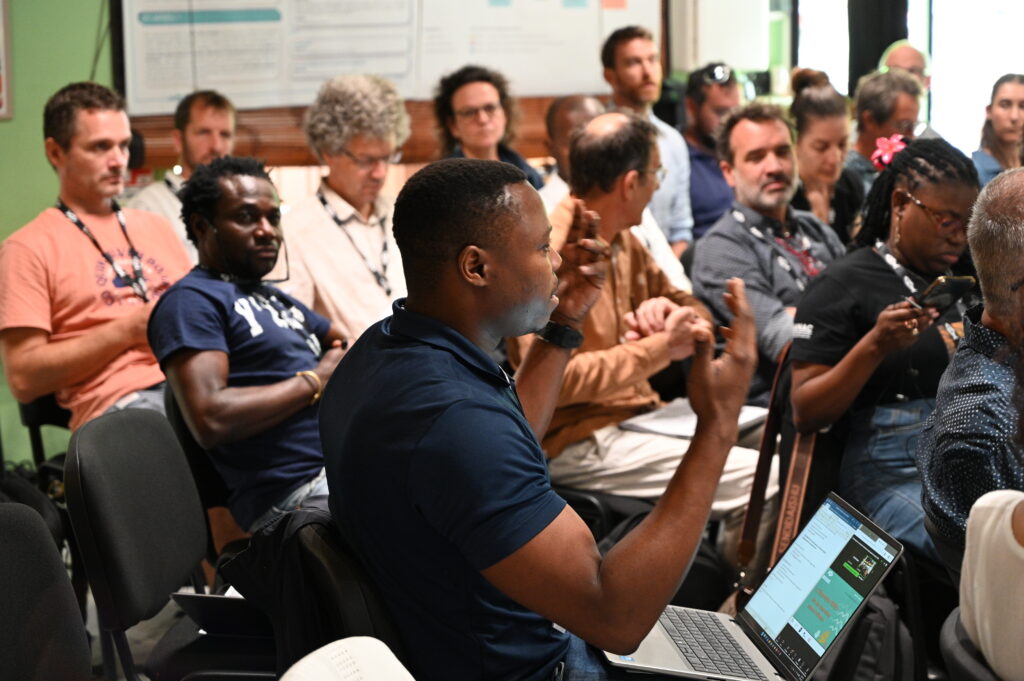
Workshop 3 — Linking Initiatives to Research Questions and Local Needs
The third day aimed to link key variables to BRIDGES’ scientific objectives and to the questions that emerged from the “co-construction of desired futures” workshops, which were held at the sites between May and July 2026.
This final workshop helped define key operational aspects:
- Integrating societal, fisheries, ecological, and environmental dimensions.
- Refinement of certain protocols and observation scales.
- Identification of synergies: a single monitoring tool can provide data on multiple variables and address different research questions.
- Outline of sampling strategies that optimize costs, field operations, and spatial coverage.
⚠️ Work must continue to finalize the proposed monitoring tools and their sampling methods.
From a Common Strategy to Implementation: Next Steps
By the end of 2026, BRIDGES OBSERVATION will present the terms of reference for the BRIDGES observatory, finalized with input from the regional workshop. The inventory of existing observations will also be completed and validated with the partners.
Starting in 2027, implementation of the observatory will begin, with a strategy tailored to each region to specify the necessary technical, human, and financial resources. BRIDGES will support the strengthening of existing systems, the development of reliable, low-cost sensors, and the centralization and sharing of data, which will remain the property of their producers. Annual workshops among the sites will ensure the sharing of best practices, the ongoing adaptation of systems, and the transfer of methodological and instrumental developments, to ensure the long-term sustainability of the observations.
See you at the BRIDGES Days!
The workshop’s progress and next steps will be presented on Thursday, December 3, 2026, during the BRIDGES Days, in the session “Toward a Harmonized Observation Strategy for the Southwestern Indian Ocean,” moderated by Annaïg Le Guen (CNRS), co-leader of the BRIDGES OBSERVATION targeted project.
List of participants in the regional workshop:
- Adrien Comte, IRD – La Réunion
- Ahmed Youssouf, Coelacanthe National Park – Comoros
- Aline Tribollet, IRD – La Réunion
- Ali Madi, Météo France & Mayotte Federation of Environmental Associations – Mayotte
- Anne-Laure Clément, Réunion Marine Natural Reserve – La Réunion
- Ben Soudjay Moustarchide, National Institute for Agricultural, Fisheries, and Environmental Research – Comoros
- Camille Gall, CNRS – La Réunion
- Christophe Delacourt, CNRS/UBO – Mainland France
- Clément Lelabousse, French Southern and Antarctic Territories
- David Guyomard, Regional Committee for Marine Fisheries and Aquaculture – La Réunion
- Emmanuel Cordier, University of La Réunion – La Réunion
- Emmanuel Tessier, IFREMER – Mainland France
- Eric Abadie, IFREMER – La Réunion
- Effy Vessaz, ONG Dahari – Comoros
- Erwan Quimbert, IFREMER – Mainland France
- François Chauvet, CNRS – Mainland France
- Grégoire Moutardier, French Southern and Antarctic Territories
- Guillaume Payen, University of La Réunion – La Réunion
- Helloïse Oulia, Réunion Marine Natural Reserve – La Réunion
- Ihab Ismail, French Southern and Antarctic Territories
- Isabelle Jurquet, Réunion Marine Natural Reserve – La Réunion
- Julie Furiga, CNRS/IR Data Terra – La Réunion
- Jossias Duvane, Univ. Eduardo Mondlane – Mozambique
- Karine Pothin, Regional Agency for Biodiversity – La Réunion
- Lionel Bigot, University of La Réunion – La Réunion
- Marc Léopold, IRD – Mainland France
- Marion Jaud, CNRS – Mainland France
- Mariana Tolotti, IRD – South Africa
- Mathias Rouan, CNRS – La Réunion
- Matthieu Jeanson, University of Mayotte – Mayotte
- Nelson Capaina, Observatório do Meio Rural (Rural Observatory) – Mozambique
- Pascal Bach, IRD – Mainland France
- Patrice Guillotreau, IRD – Mainland France
- Quentin Schull, IFREMER – Mainland France
- Romain Julliard, MNHN – Mainland France
- Sarah Bareigts, CNRS – La Réunion
- Stela Fernando, Oceanographic Institute of Mozambique – Mozambique
- Stéphanie Duvail, IRD – Mainland France
- Sylvie Fiat, IRD – Mainland France
- Tarik Dahou, IRD – Mainland France
- Thomas Claverie, University of La Réunion – La Réunion
- Touria Bajjouk, IFREMER – Mainland France
- Vanessa Muianga, Maputo National Park – Mozambique
- Wilhem Riom, CNRS – Mainland France
- Yoan Doucet, Mayotte Marine Nature Reserve – Mayotte
More news Events