BRIDGES × DATA TERRA training series concludes in Maputo
From Monday, November 2 to Friday, November 6, 2026, BRIDGES and Data Terra held the fourth and final course in the 2025–2026 BRIDGES × DATA TERRA training series in Maputo, in collaboration with Mozambique’s National Geospatial Development Agency (ADE) and Eduardo Mondlane University (UEM). The course focused on FAIR, ethical, and sustainable research data management for open science.
The training series aims to strengthen the skills of researchers, institutional partners, data managers, and others involved throughout the research data life cycle, from collection to publication. It promotes an ethical and sustainable approach to open science guided by the FAIR and CARE principles and grounded in BRIDGES’ research themes of fisheries and biodiversity in the marine social-ecological systems of the southwestern Indian Ocean.
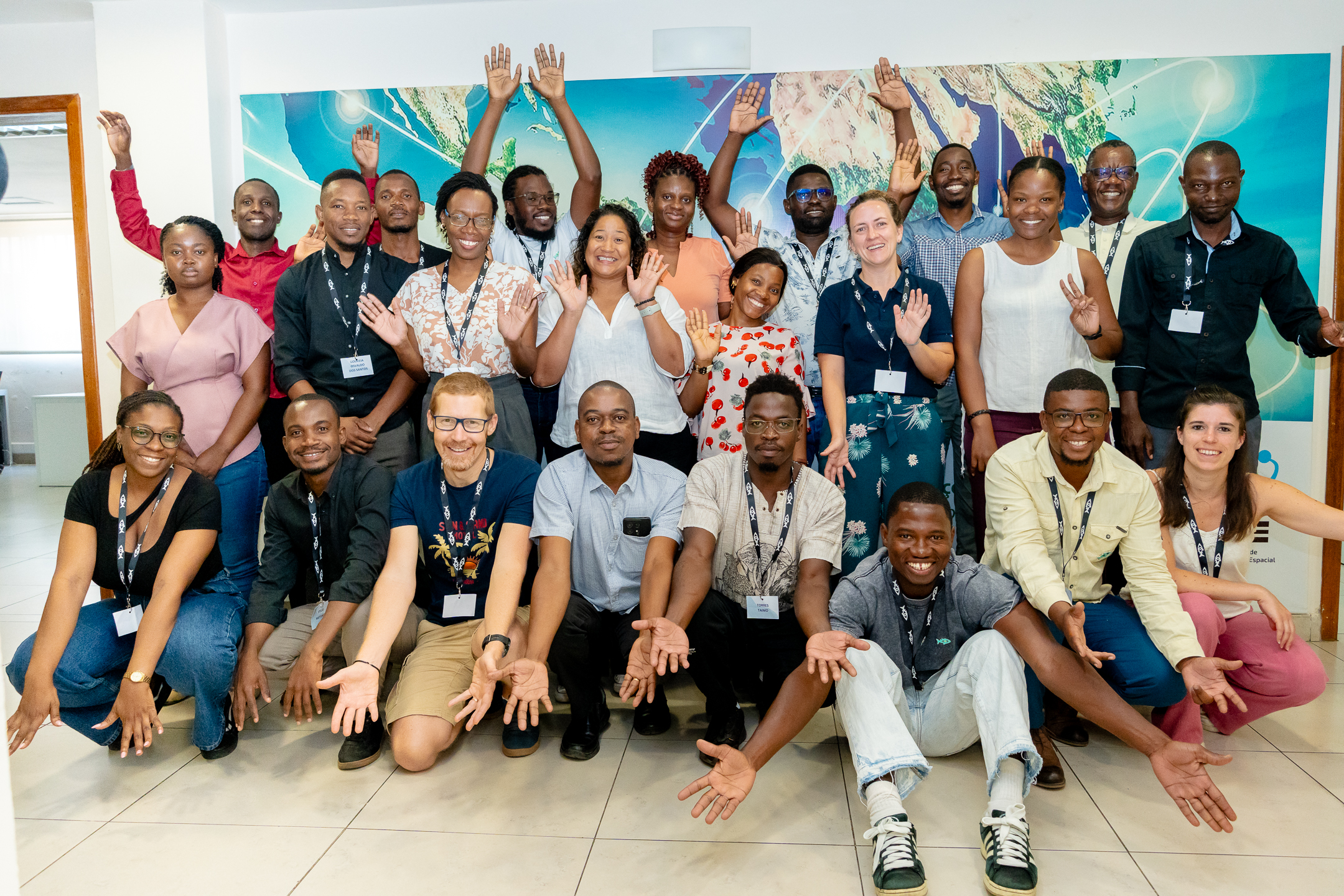
Twenty-one participants from Sofala, Inhambane, Maputo Province, and Maputo City attended the course, which was held in English and Portuguese at ADE’s offices in Maputo.
A look back at the week
Day 1 — Welcome and an introduction to research data management in different contexts
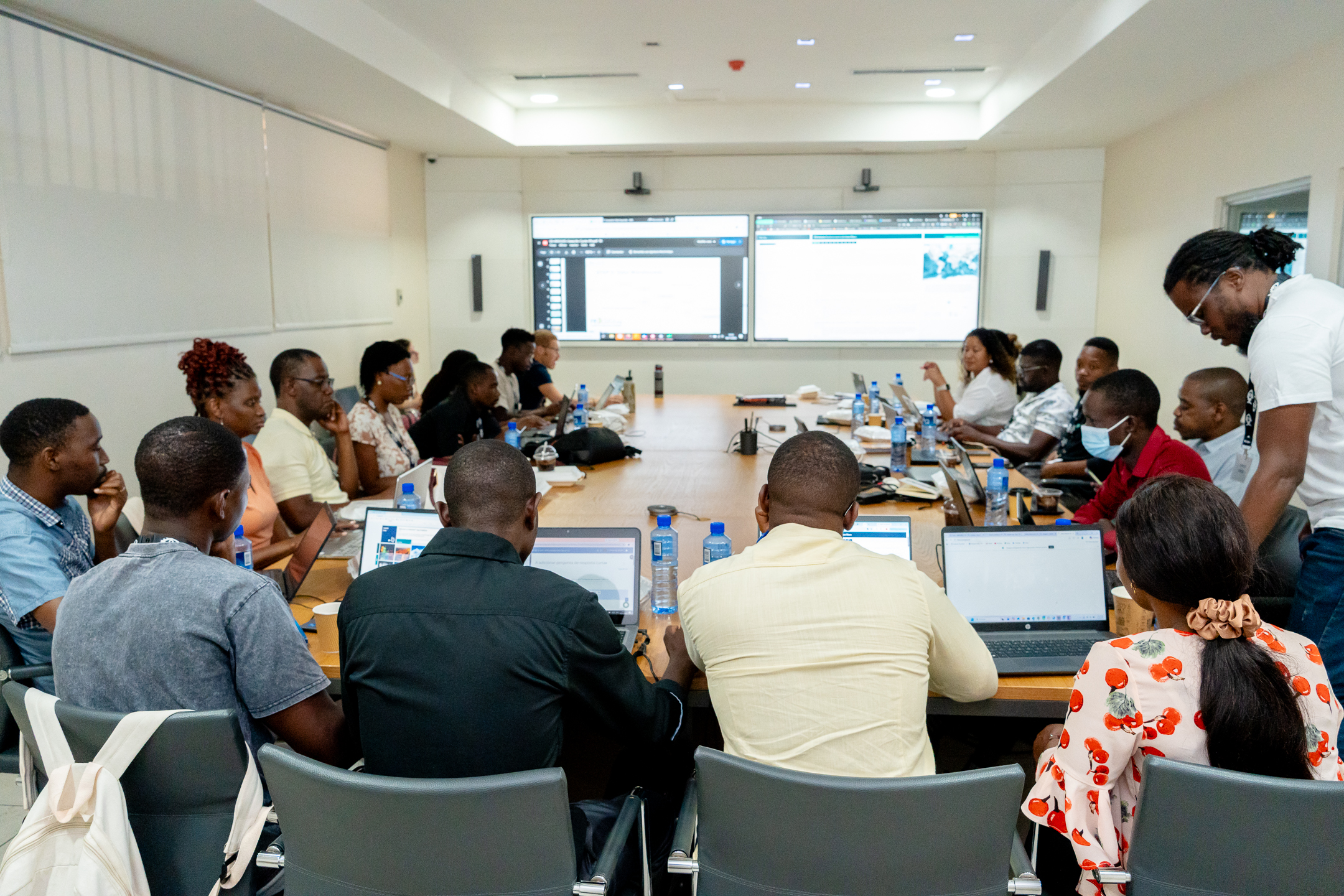
Odete Semião, Director General of ADE, opened the training week.
Professor Célia Macamo, a researcher at Eduardo Mondlane University, then introduced the BRIDGES research program, with a focus on fisheries and biodiversity challenges in Mozambique, particularly in Maputo Bay. The UEM Faculty of Marine Biology team also discussed challenges around research data in Mozambique.
Julie Furiga, a research engineer with BRIDGES, closed the morning session by introducing the Data Terra Research Infrastructure and its ODATIS Ocean Data Center.
In the afternoon, participants discussed their data management needs.
Day 2 — Open science, FAIR and CARE principles, the data life cycle, and fieldwork preparation
Amandine Thomas (Ifremer), Mathias Rouan (CNRS), and Julie Furiga (IRD) led the morning session, using the game À l’asSO ! to introduce open science, the FAIR and CARE principles, and the data life cycle.
The instructors presented three hands-on scenarios that gave participants a chance to apply the methods and concepts covered in the course.
- Temperature — Deploying and programming a temperature logger, led by Julie Furiga.
- Biology — Exploring the monitoring protocols used at the Inhaca site, led by the UEM Faculty of Marine Biology team of Célia Macamo, Taimo Torres, Minda Cossa, and Luisa Banze.
- Imagery — Collecting underwater photogrammetry data, led by Mathias Rouan.
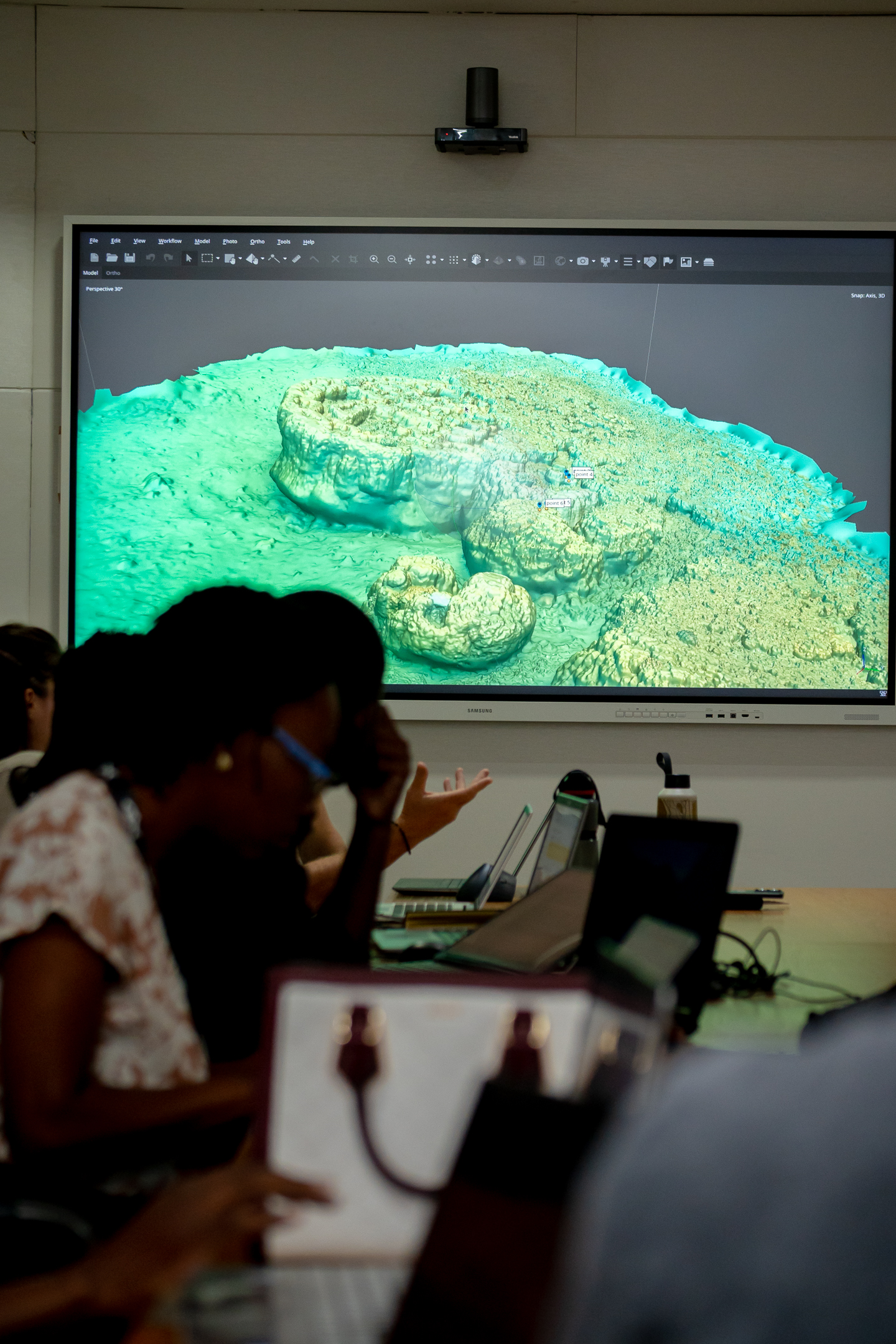
Photo: Exploring photogrammetric survey data from the reef at Inhaca using Metashape during the data processing and analysis day.
Day 3 — Hands-on data collection at Inhaca
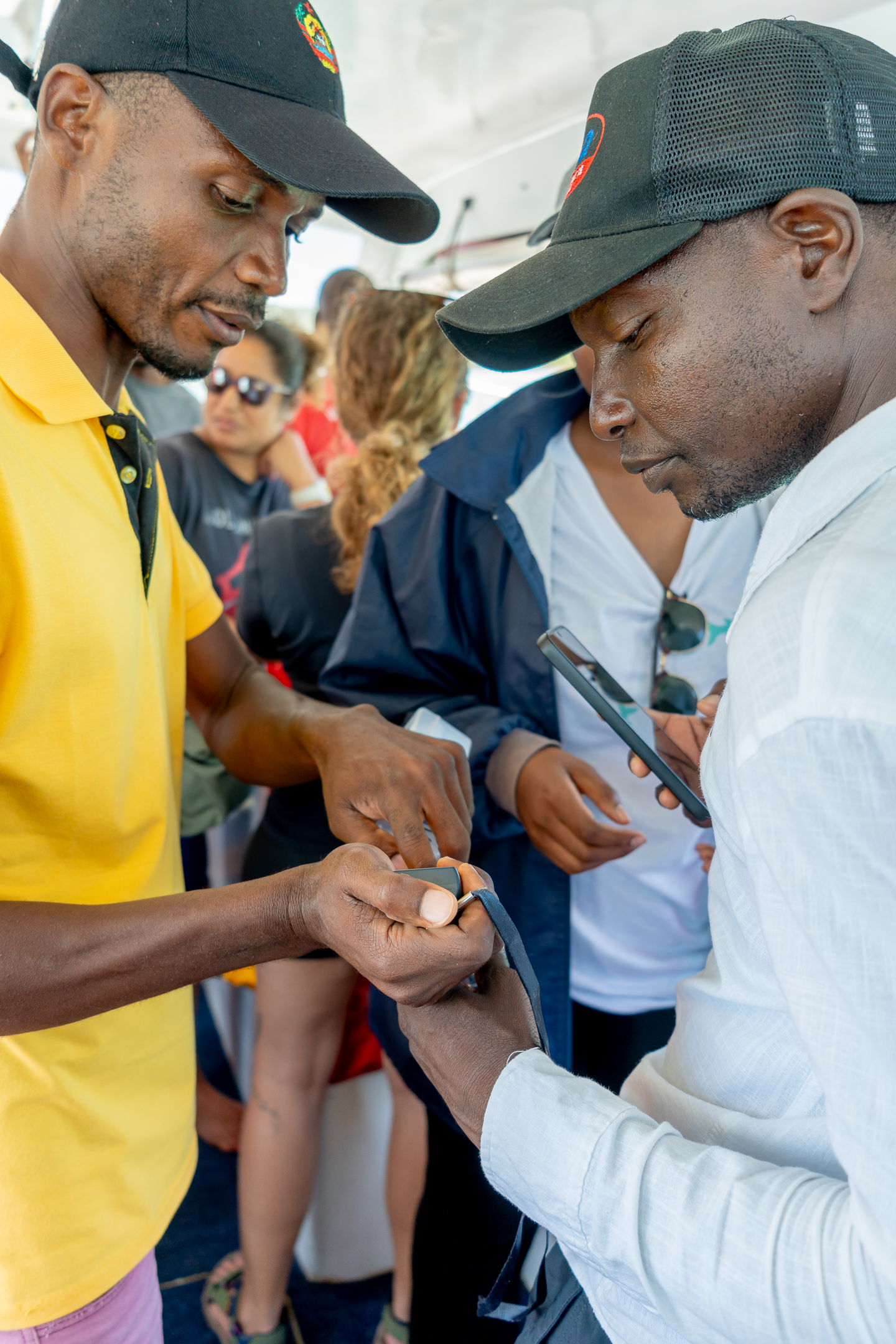
During a full day in the field, participants put the data collection methods introduced the previous day into practice.
- Temperature — Deploying an RBR underwater temperature logger, led by Julie Furiga and Mathias Rouan.
- Biology — Monitoring seaweed cultivation using the existing protocol, led by Luisa Banze and Minda Cossa.
- Imagery — Using GoPro video for underwater and coastal photogrammetry and exploring the Centipède sensor, led by Mathias Rouan.
Day 4 — Data analysis and processing, including quality assessment, cleaning, and structuring
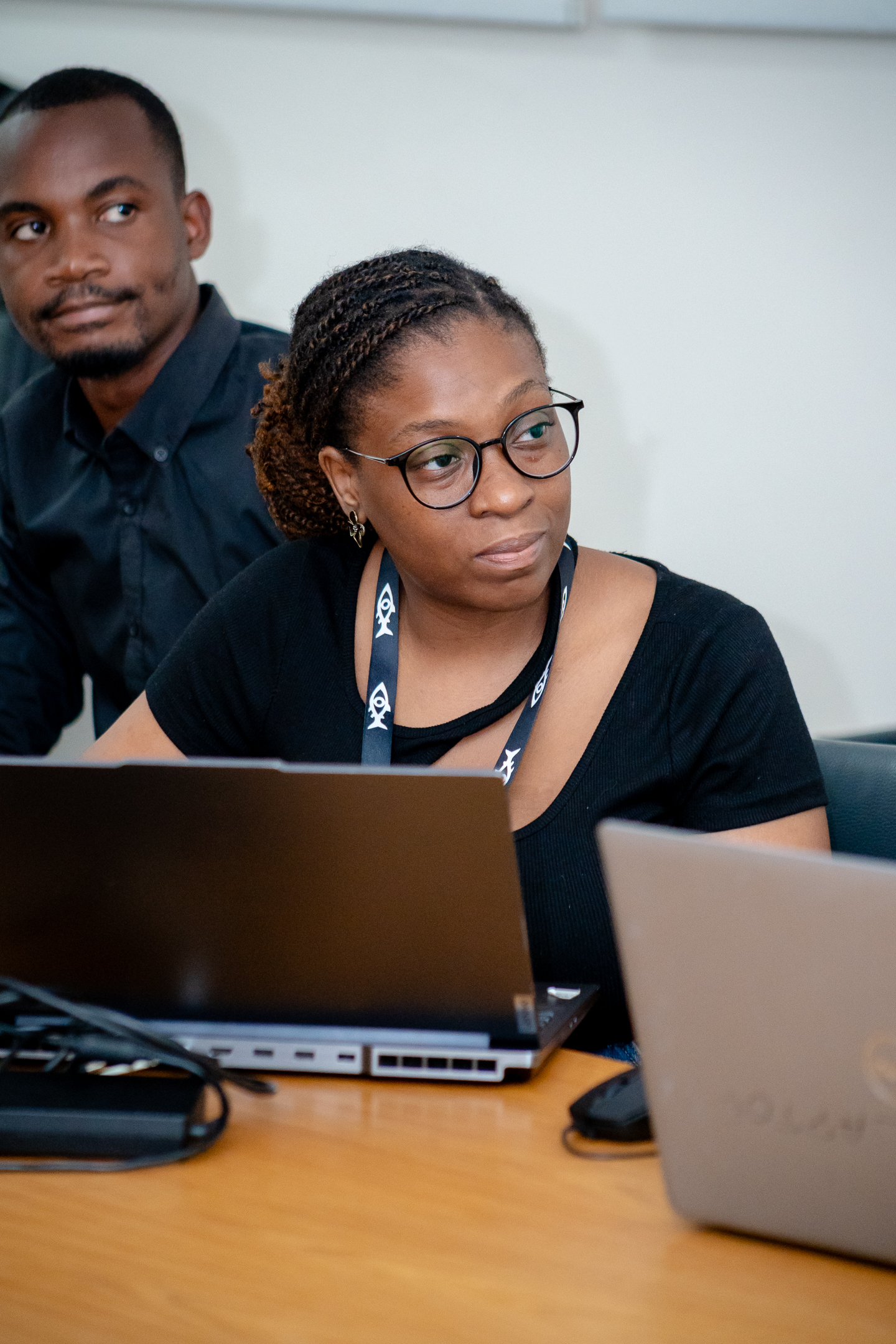
Participants worked with the data they had collected in the field.
- Temperature — Downloading and reviewing temperature logger data using Ruskin, with an introduction to quality flags and processing levels, led by Julie Furiga.
- Biology — Working through a practical exercise in OpenRefine, led by Mathias Rouan.
- Imagery — Getting started with QGIS through a hands-on exercise led by Amandine Thomas, then exploring the results of the field photogrammetry surveys in Metashape with Mathias Rouan.
Day 5 — Publishing, sharing, and making data available for reuse
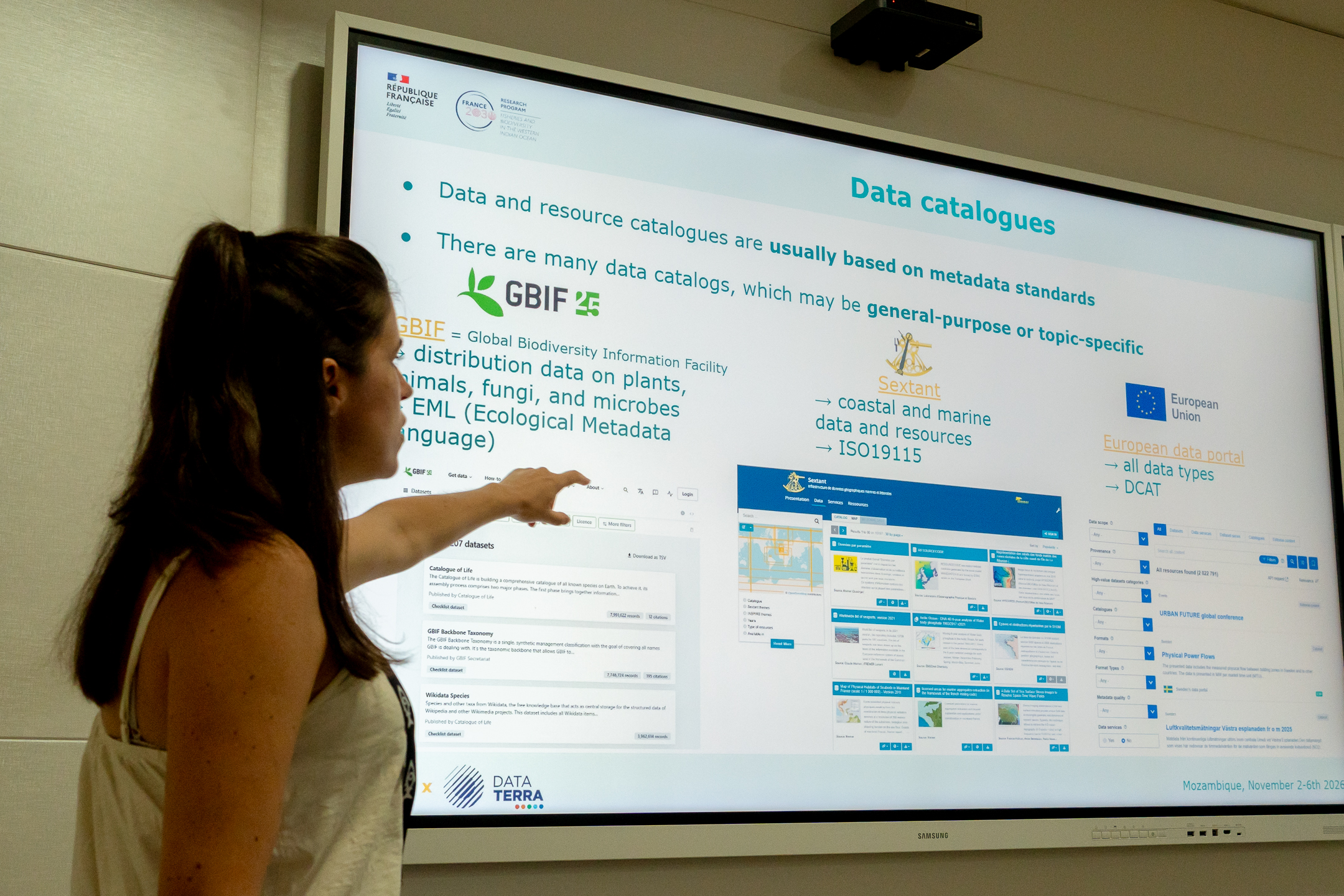
The course closed with tools and methods for publishing research data. The sessions covered the following topics.
- Data catalogs and repositories — Standards, metadata, persistent identifiers, and data papers, presented by Amandine Thomas and Mathias Rouan.
- ADE resources — An overview presented by Sérgio Niquisse and Isolda Dlamine (ADE).
- Data deposit — A walkthrough of the SEANOE submission interface.
- Data sharing — Legal frameworks, ethics, reducing the environmental footprint of digital practices, and archiving.
- UNESCO’s Ocean Data Sharing initiative — Presented by Julie Furiga.
BRIDGES would like to thank ADE and the UEM Faculty of Marine Biology again for their collaboration in organizing, delivering, and promoting the course.
We also thank all participants and speakers for their engagement, the quality of the discussions, and the range of perspectives they shared.
Key partners
Data Terra Research Infrastructure, ODATIS Ocean Data Center, ILICO Research Infrastructure, Maison des sciences humaines et sociales en Bretagne (MSHB), Mozambique’s National Geospatial Development Agency (ADE), and Eduardo Mondlane University (UEM).
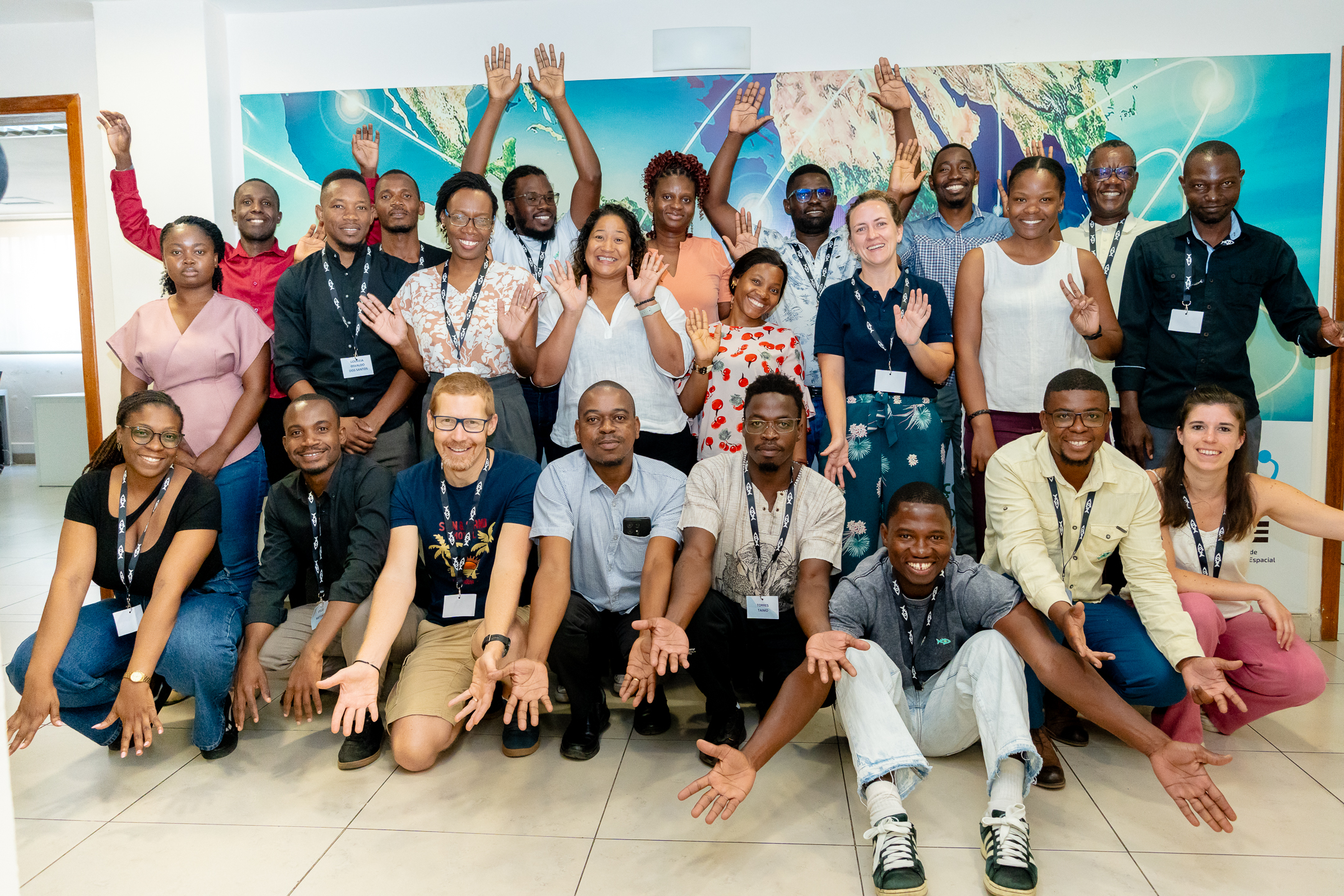
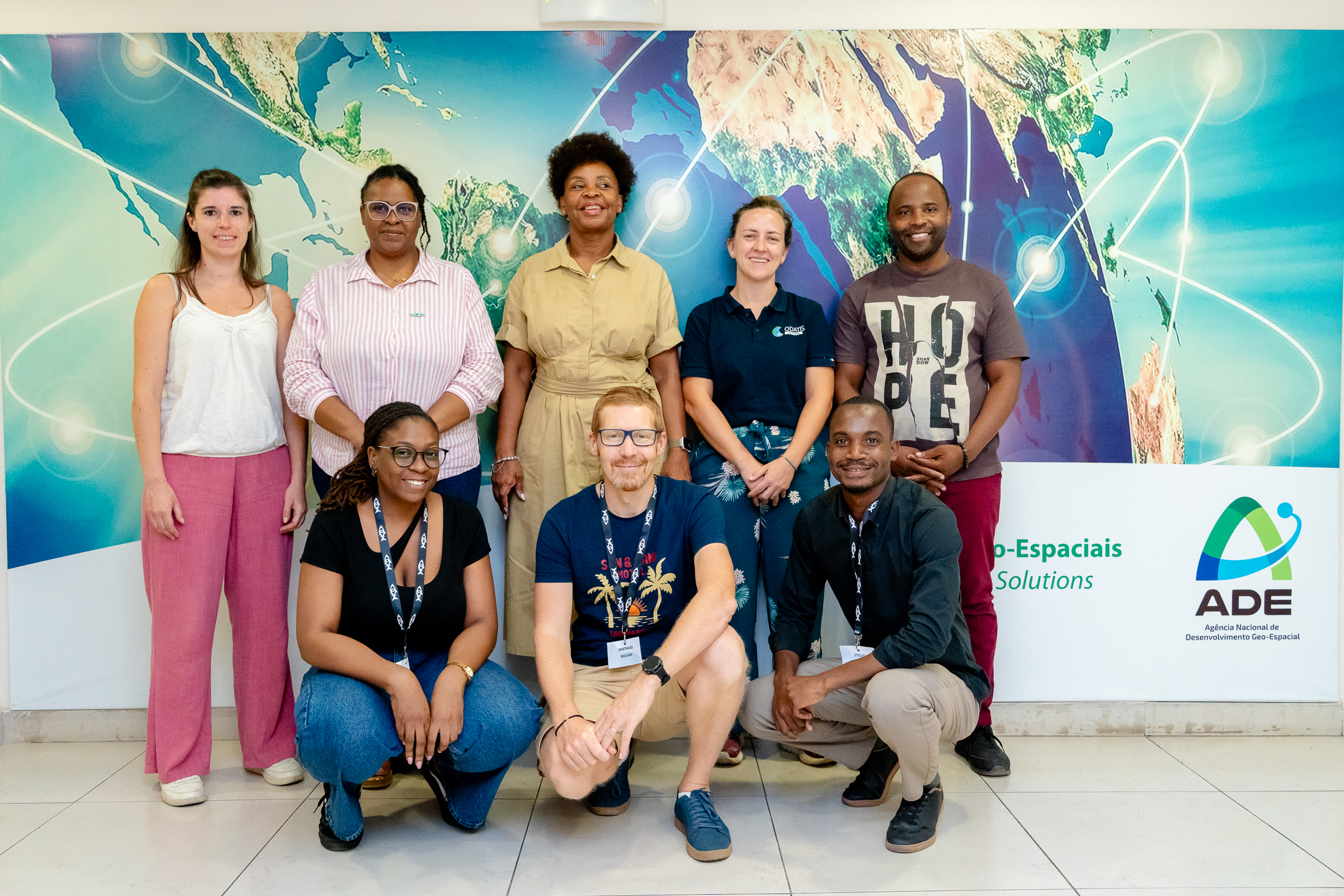
Photos: Training participants, followed by the ADE and BRIDGES teams.
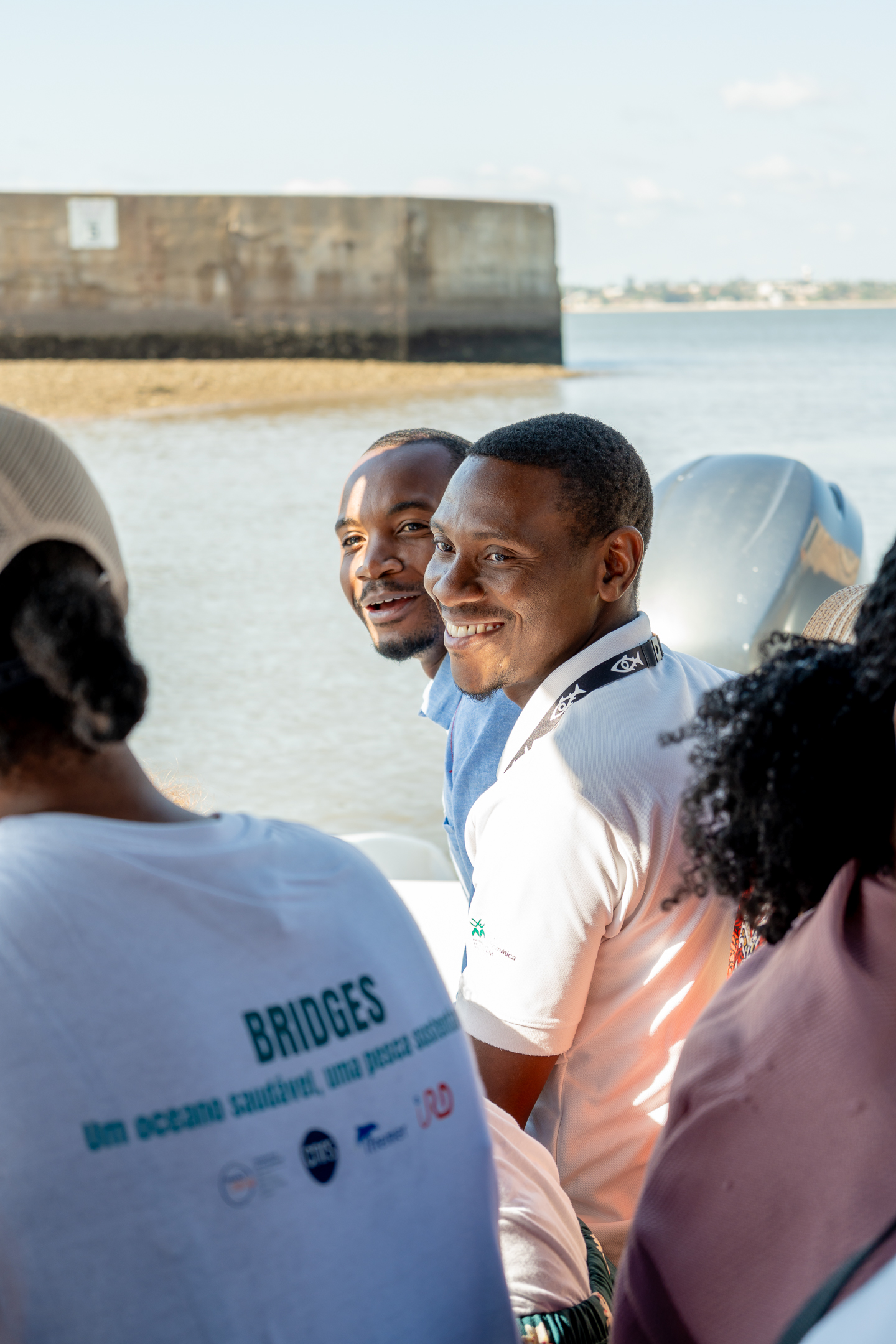
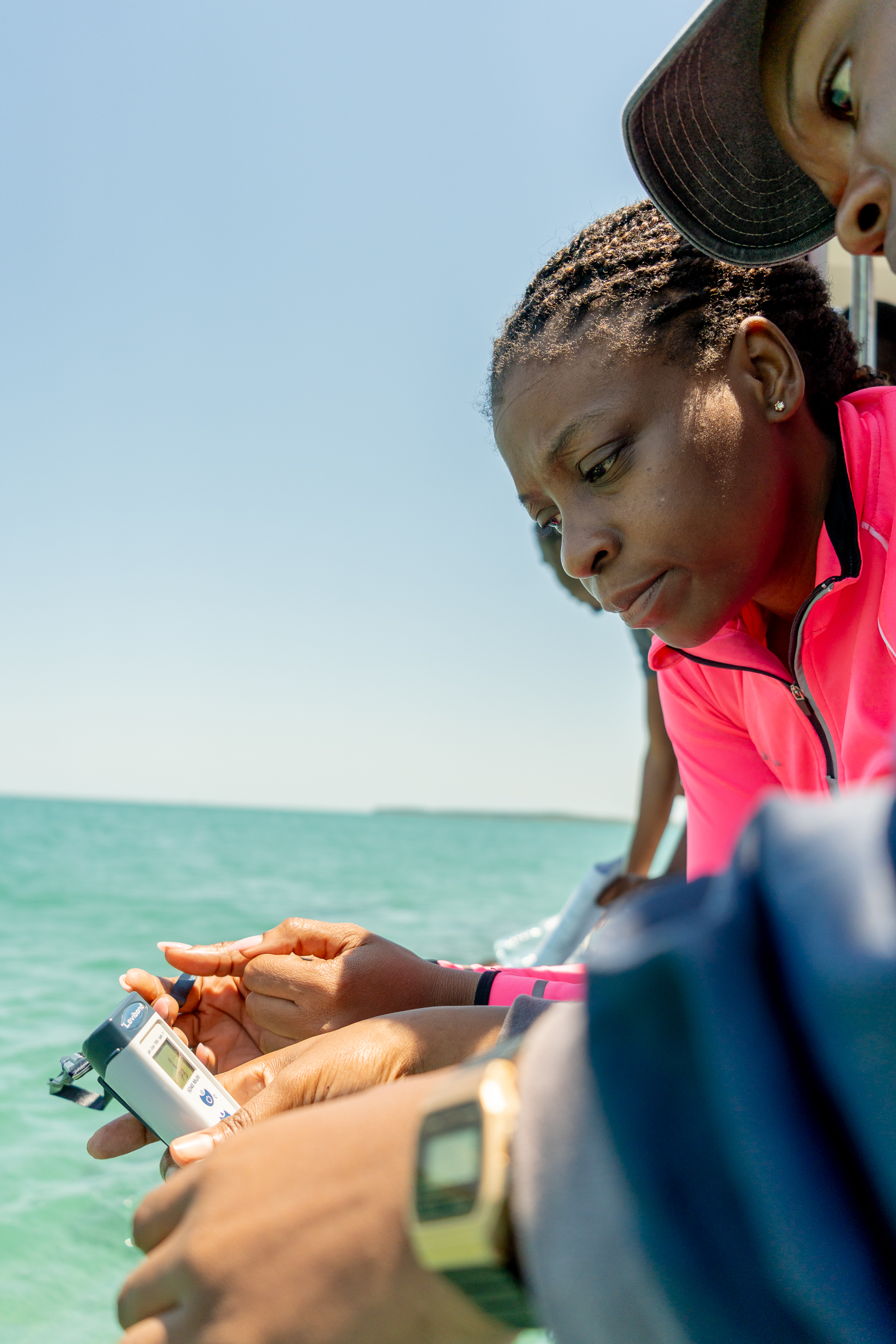
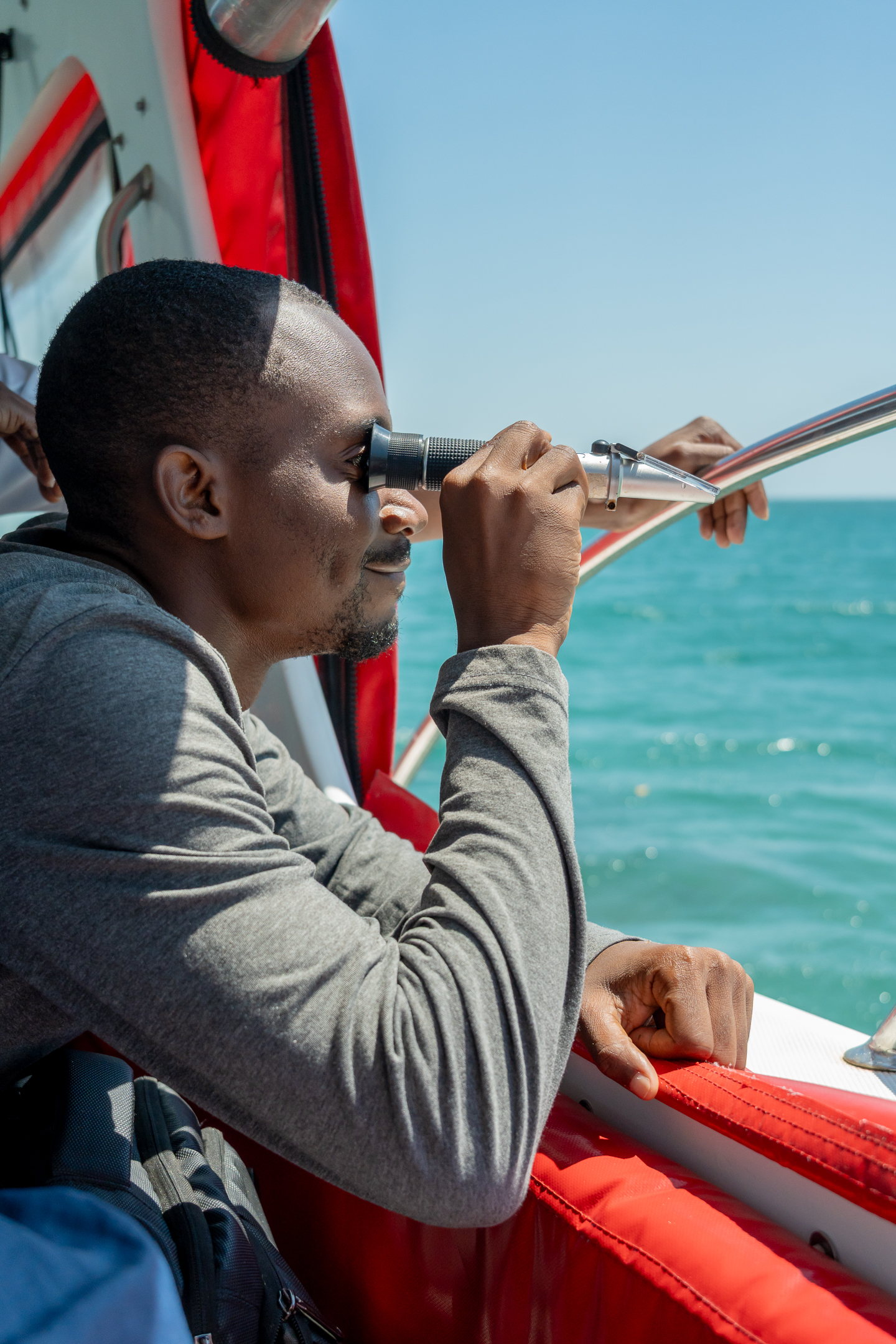
Photos: Recording temperature and pH as part of seaweed cultivation monitoring during the field data collection day at Inhaca.
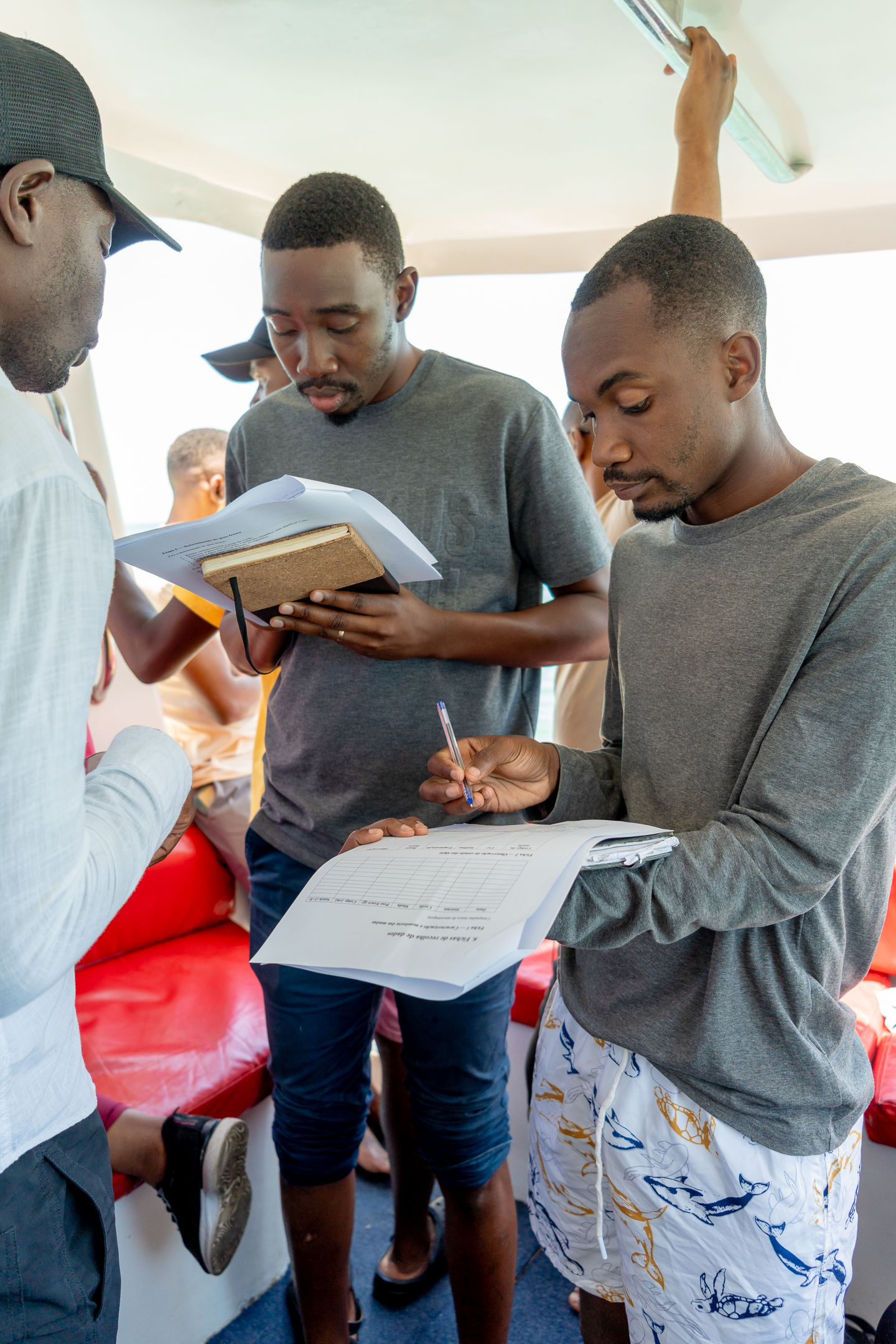
Photo: Practicing the seaweed cultivation monitoring protocol during the field data collection day at Inhaca.
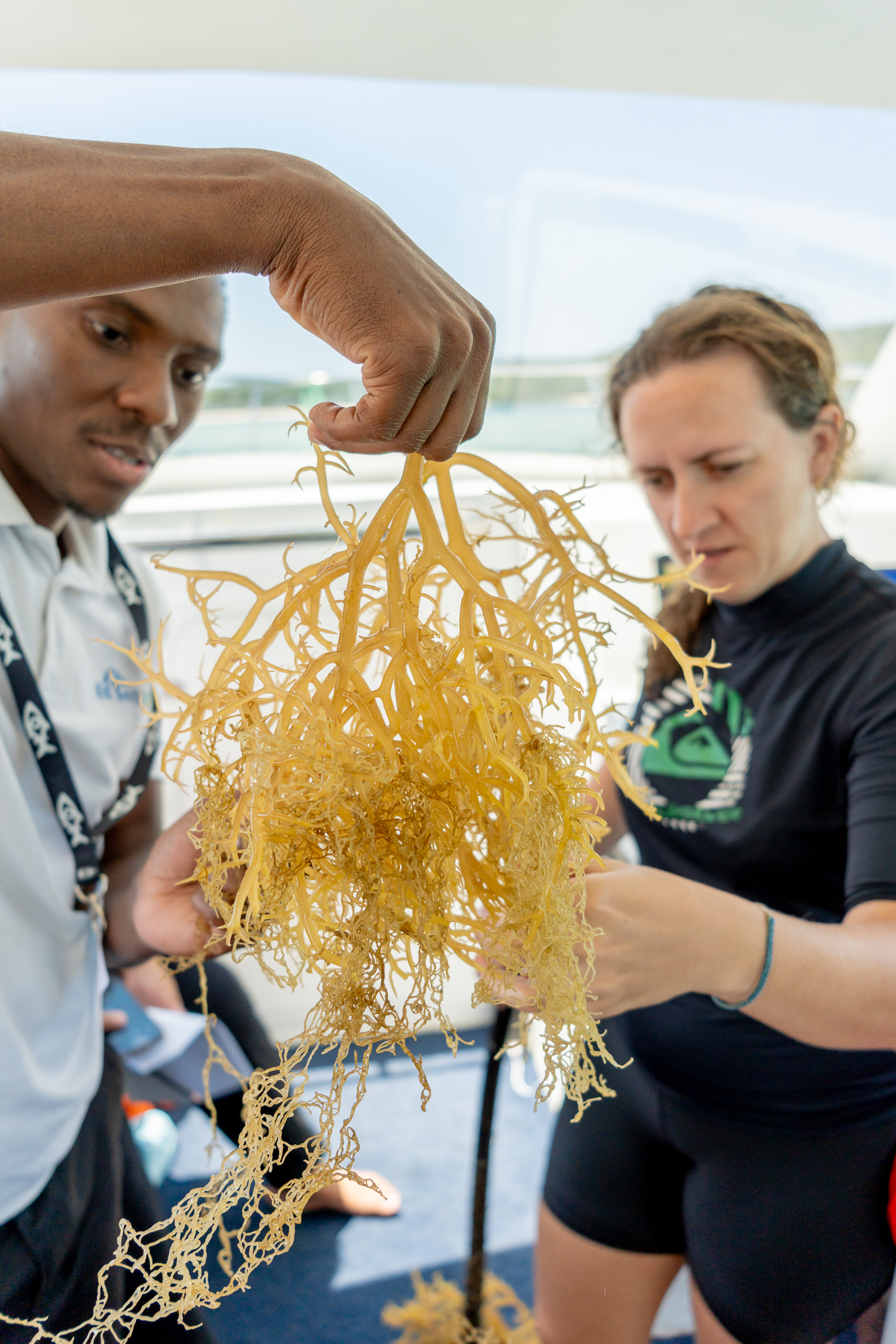
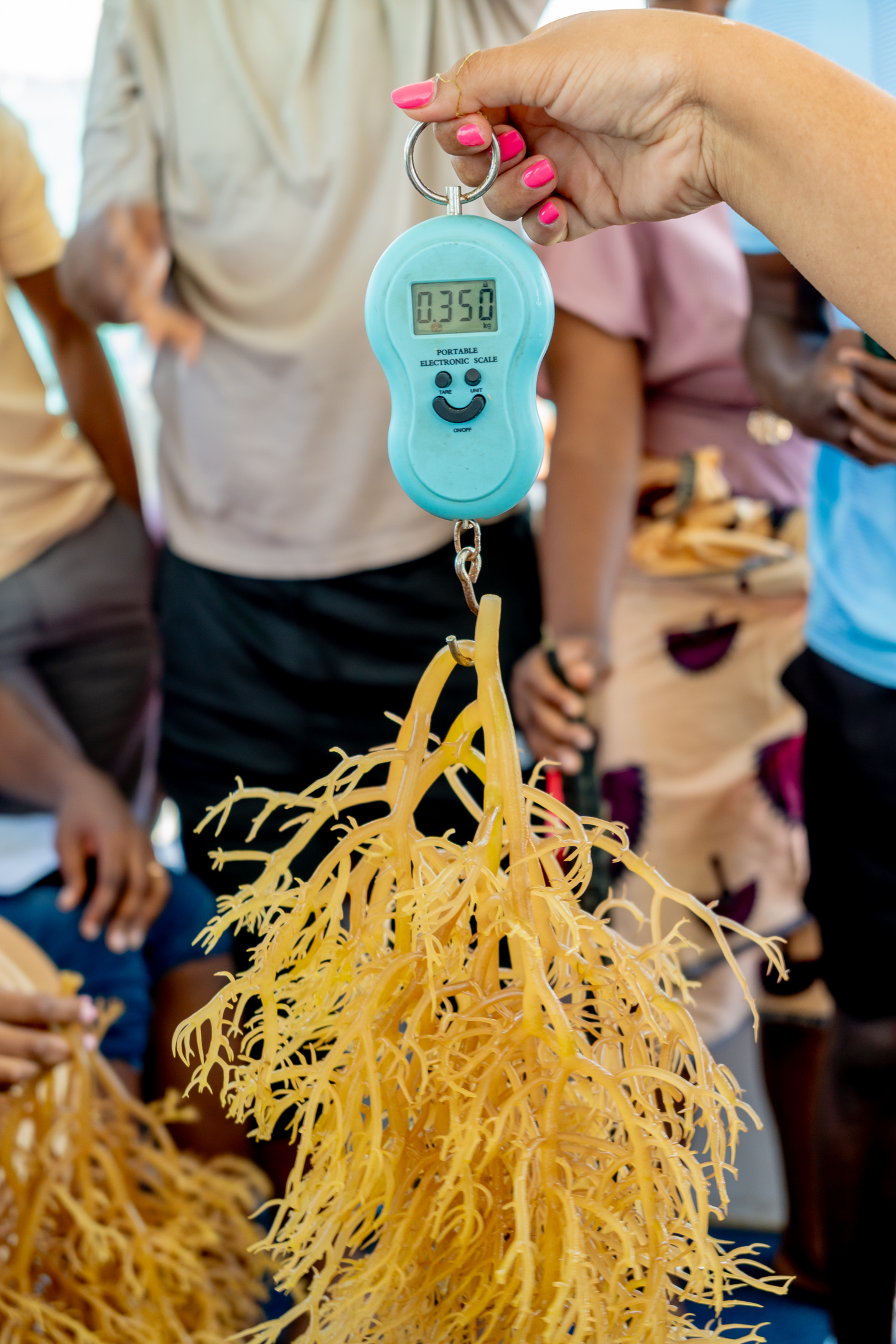
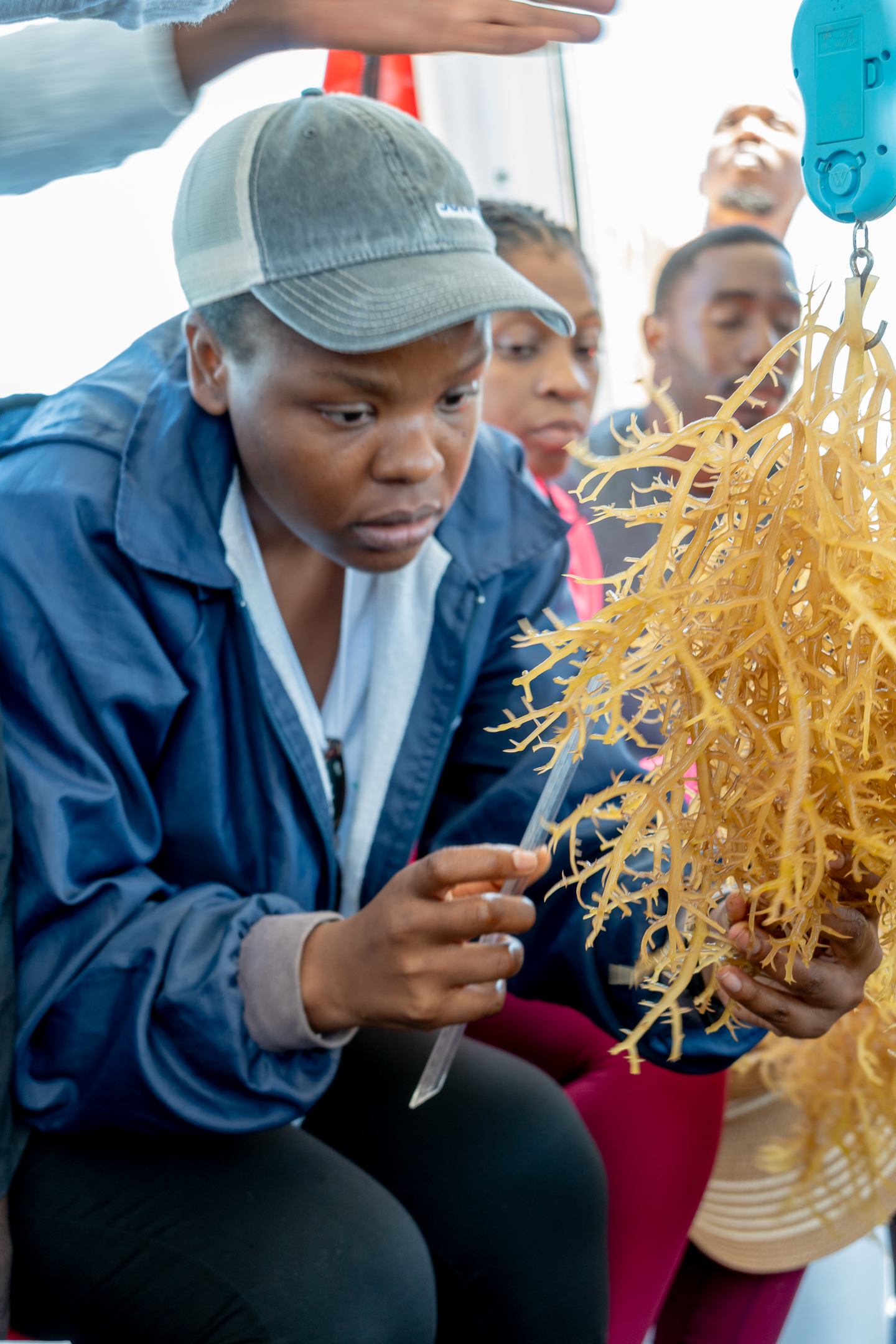
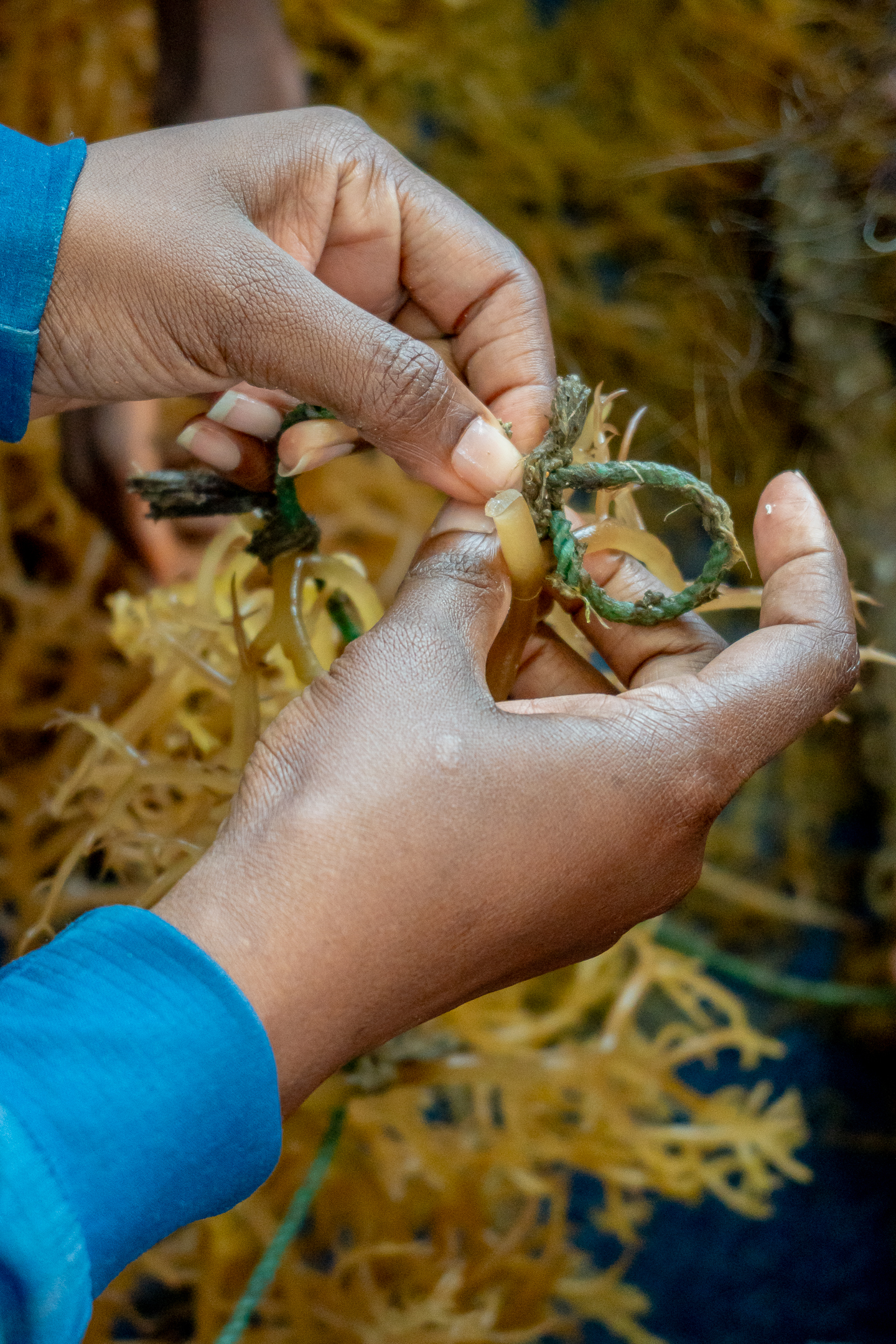
Photos: Weighing seaweed during the field data collection day at Inhaca.
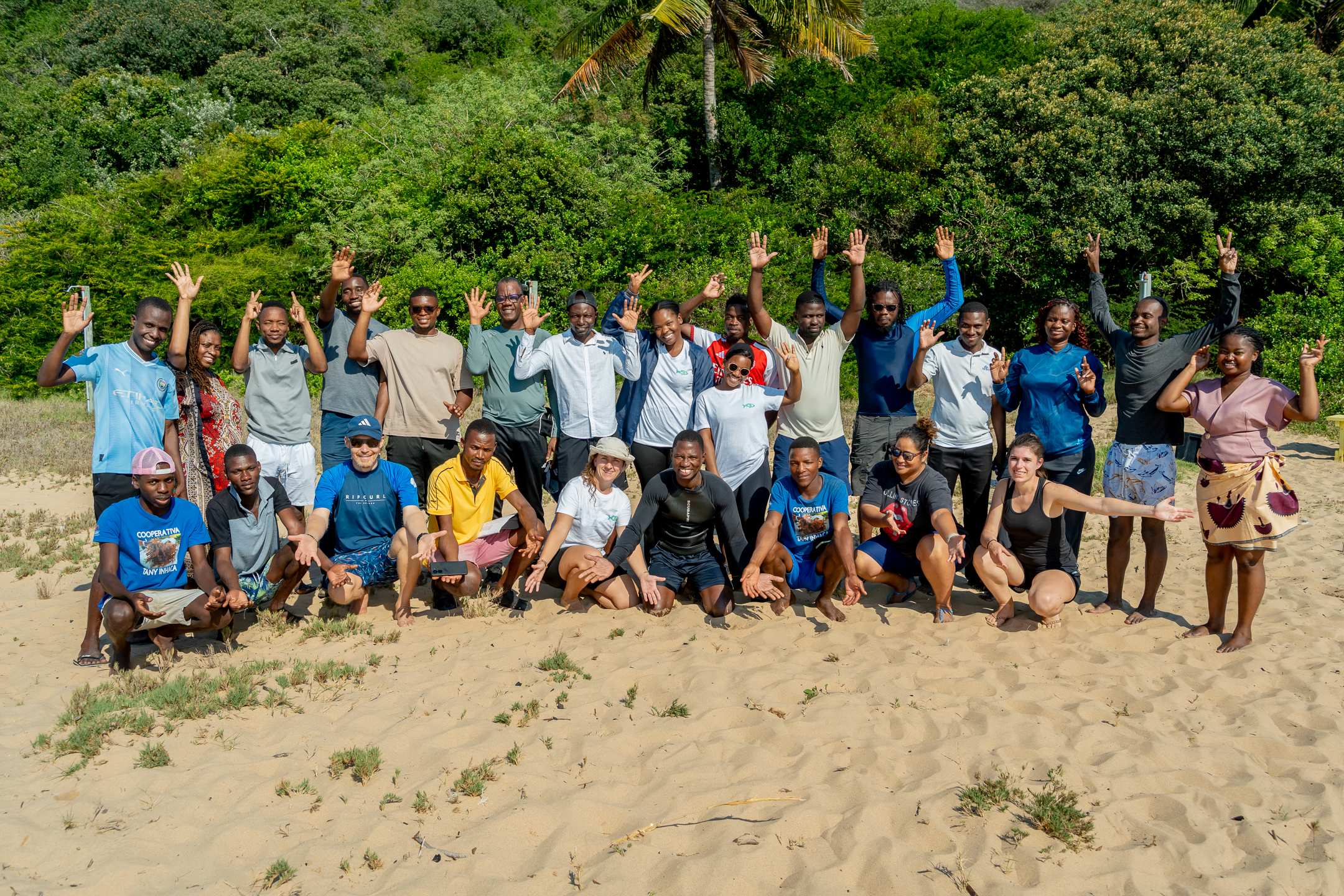
Photo: Group photo taken at the Inhaca field site during the data collection day.
More news News