BRIDGES Interviews #3 – Eddie Allison
Small-scale fisheries: an essential role for coastal communities and marine ecosystems
BRIDGES invites you to discover a series of interviews with leading scientific figures. They share their perspectives on the major issues and challenges related to fisheries and marine biodiversity in the Indian Ocean, as well as the levers for action that can support transformations in the region’s marine territories toward more resilient futures.
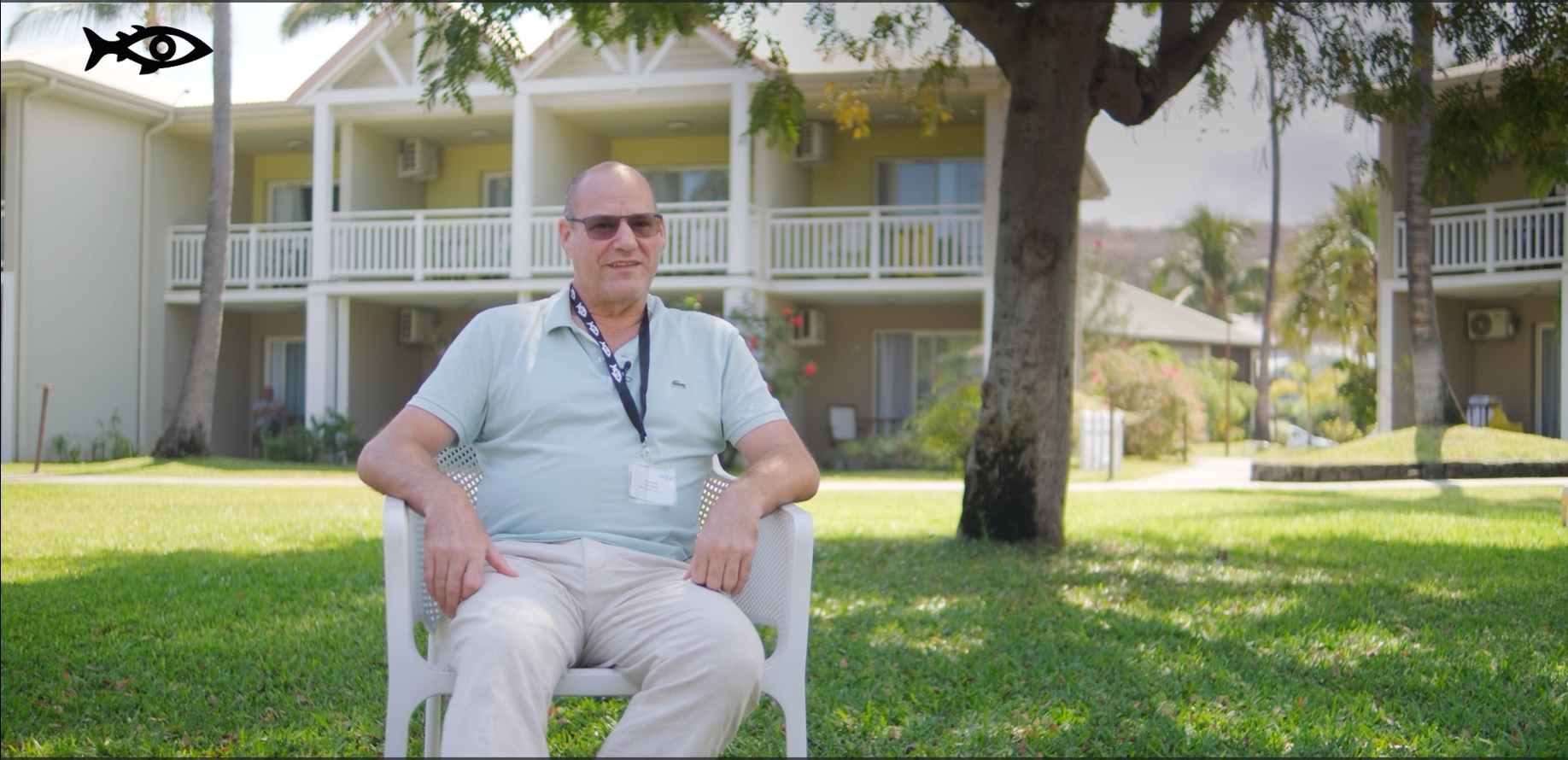
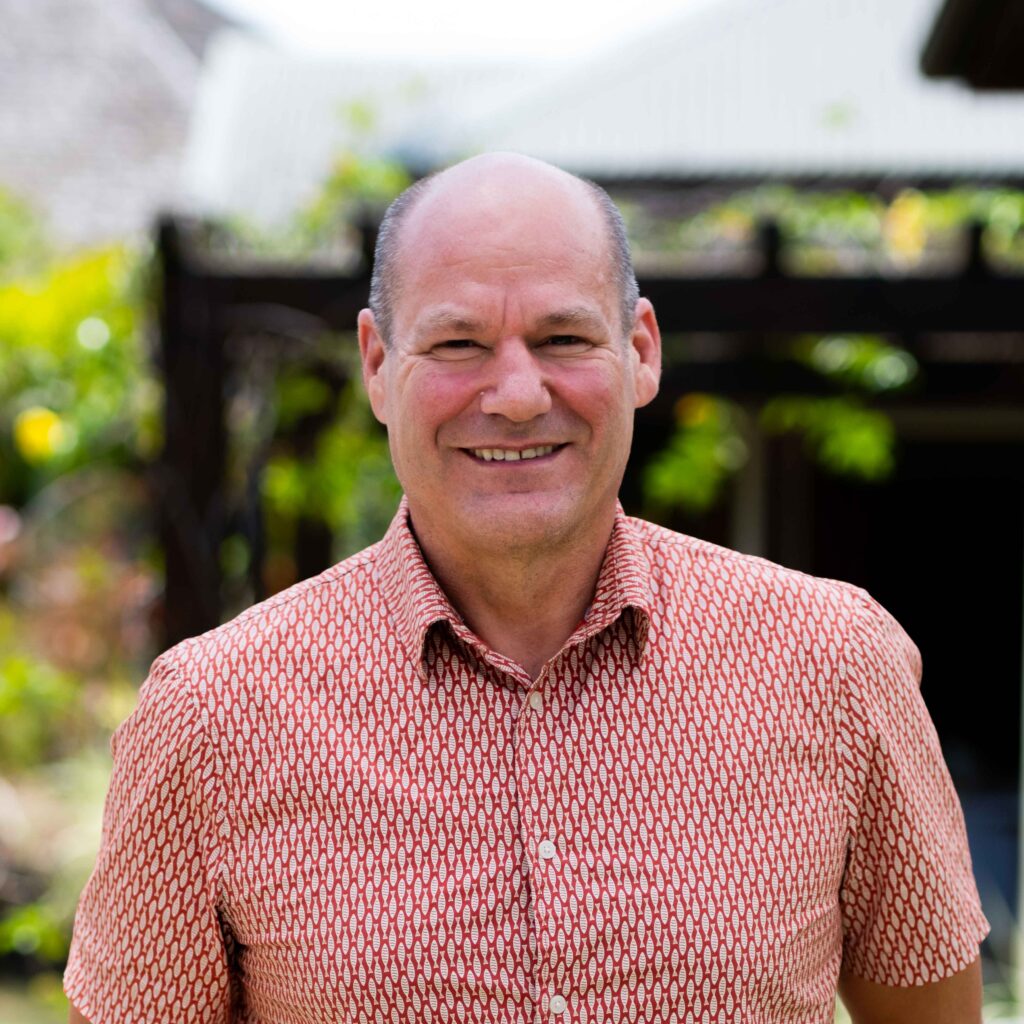
Interview with Eddie Allison, professor and principal scientist at WorldFish and member of the Scientific Advisory Board
In this interview, Eddie Allison discusses the central role of small-scale fisheries in coastal societies, particularly in the Southwest Indian Ocean. They are at the heart of local economies, food systems, cultural identities, and the relationship between coastal societies and marine ecosystems. They are also on the front lines of climate change. Yet because they are dynamic, adaptive, and deeply rooted in their territories, they can also help build responses for fairer and more sustainable futures.
A closer look at small-scale fisheries in the Southwest Indian Ocean
Small-scale fisheries are highly diverse and dynamic. Eddie Allison emphasizes that they are difficult to define in a single, homogeneous way because they vary across countries, environments, fishing techniques, target species, and forms of social organization.
Eddie Allison describes these fisheries as “socially embedded”: they do not contribute only to the economy, but are an integral part of communities, families, traditions, and local food systems. Unlike industrial fishing, they often rely on family- or community-based economies and local marketing channels.
Globally, small-scale fisheries account for at least 40% of catches and nearly 90% of jobs in fisheries value chains (FAO, Duke University & WorldFish, 2022). They support, at least in part, the livelihoods of about 492 million people worldwide (FAO, Duke University & WorldFish, 2022), including 22.7 million people in Southern Africa, a region that includes the Southwest Indian Ocean (FAO, 2024). Women also play a major role: at least 45 million women are involved in small-scale fisheries (FAO, Duke University & WorldFish, 2022).
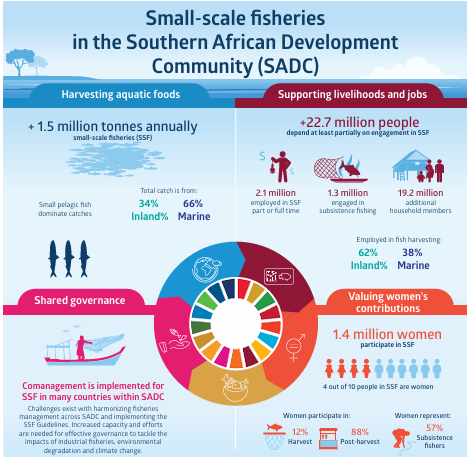
FIGURE 2. Summary of the contributions of small-scale fisheries to sustainable development in the Southern African Development Community region (Source: FAO, 2024)
A direct link with ecosystem health
This social and economic importance comes with a strong dependence on marine ecosystems. Small-scale fisheries depend directly on the availability of fish, crustaceans, mollusks, and other resources from coral reefs, mangroves, seagrass beds, and coastal areas more broadly. They are therefore among the food systems most directly linked to nature.
This close relationship makes fishing communities particularly vulnerable to climate change. Eddie Allison explains that they are exposed both physically, because they live along coastlines and face sea-level rise, storms, and extreme events, and economically, because their incomes depend on natural systems affected by climate change. The FAO report on the SADC also identifies several drivers of change affecting small-scale fisheries: cyclones, droughts, El Niño, rising sea temperatures, coral bleaching, overfishing, habitat change, sedimentation, and pollution (FAO, 2024). In addition, Eddie Allison notes that, in the Southwest Indian Ocean, many coastal small-scale fisheries depend on coral reefs, whose health is severely threatened by warming waters.
Working with small-scale fisheries
But this closeness to the environment is also a strength. Fishers observe and adapt to change every day: shifts in species distribution, changes in size, habitat modification, seasonal variation, and the emergence of new risks. This detailed knowledge is essential for understanding what is changing and for building appropriate responses.
Scientific research has an important role to play, provided that it works with fishing communities. This means bringing together scientific data and local knowledge, better documenting the often invisible contributions of small-scale fisheries, and collaborating with fishers and people involved in the value chain to define research priorities (Eddie Allison, BRIDGES interview; FAO, Duke University & WorldFish, 2023).
By supporting fishing communities as they face many challenges, research helps identify solutions to improve resource management, protect habitats, adapt practices, strengthen food security, and better recognize the rights of coastal communities.
A scientific webinar with Eddie Allison
Pacific island food systems: overview and avenues for reflection for the Southwest Indian Ocean
📅 Monday, July 13, 2026, at 1:00 p.m. (UTC+4)
📍 Register here to receive the connection link
Or watch the replay on the BRIDGES YouTube page
References
FAO. 2024. Contribution of small-scale fisheries to healthy food systems and sustainable livelihoods in the Southern African Development Community. Rome. https://doi.org/10.4060/cd0770fr
FAO, Duke University, and WorldFish. 2022. Small-scale fisheries and sustainable development: Key findings from the Illuminating Hidden Harvests report. Rome, FAO; Durham, USA, Duke University; Penang, Malaysia, WorldFish.
More news News