On Inhaca Island, off Maputo: marine conservation and environmental justice
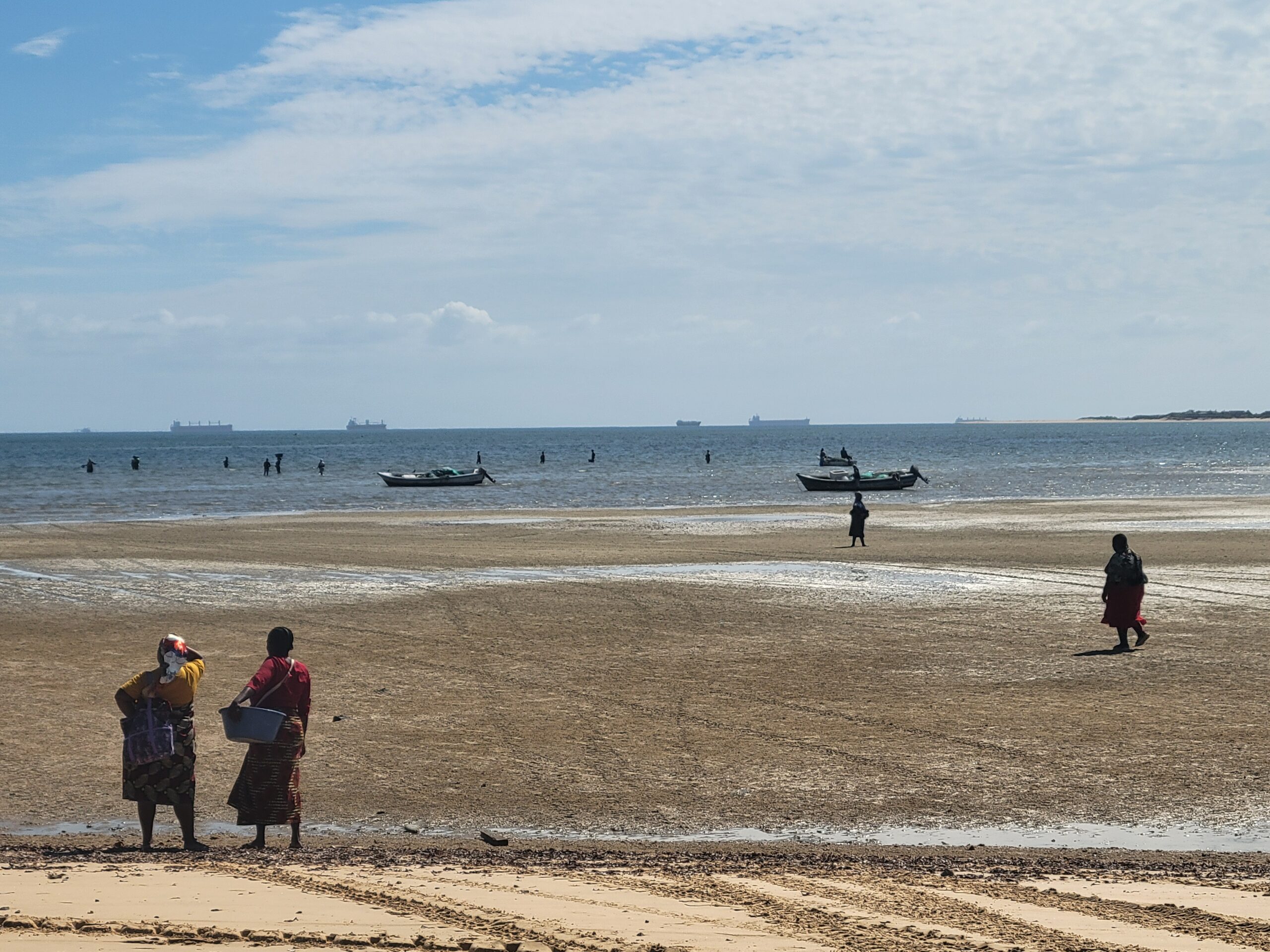
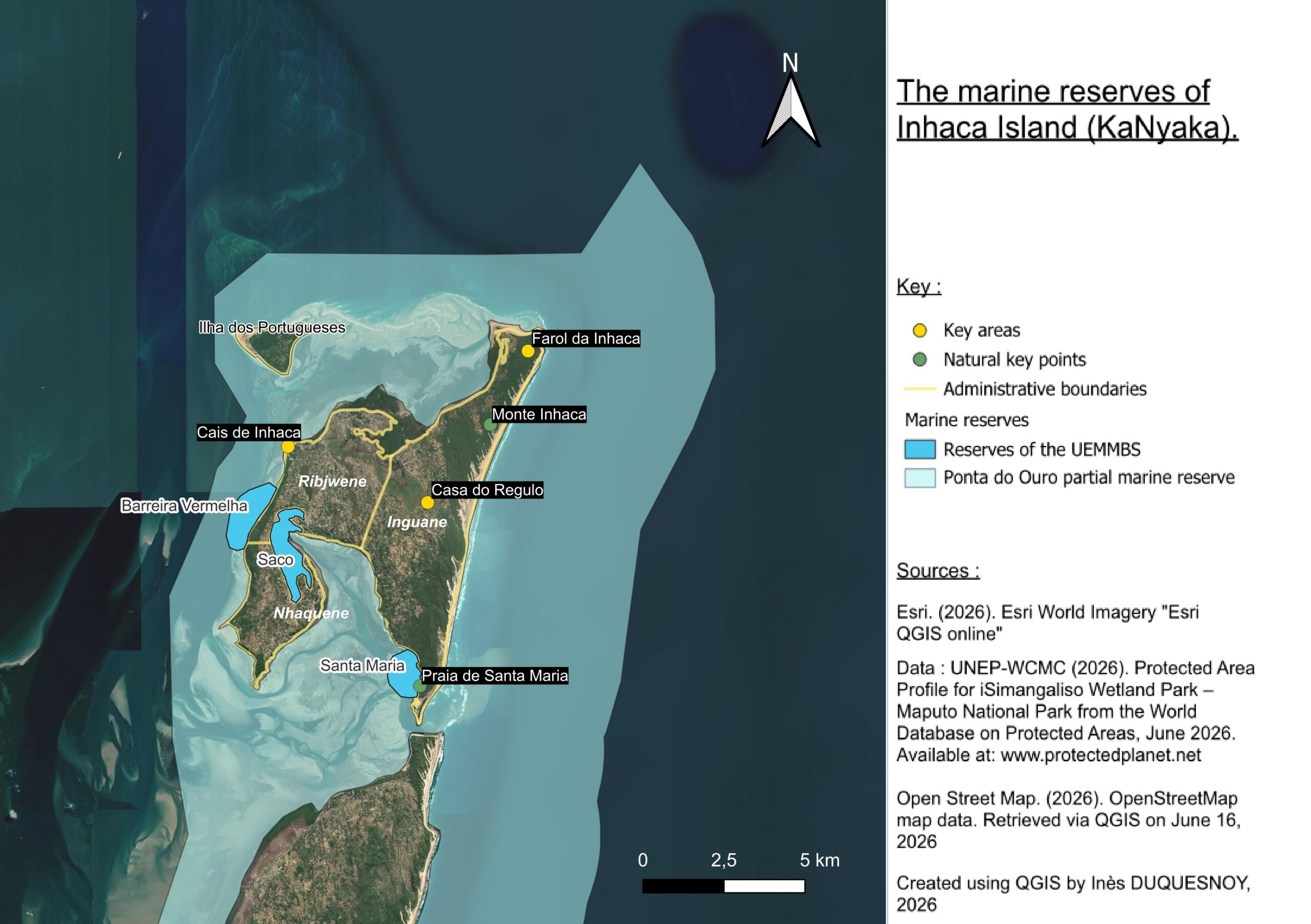
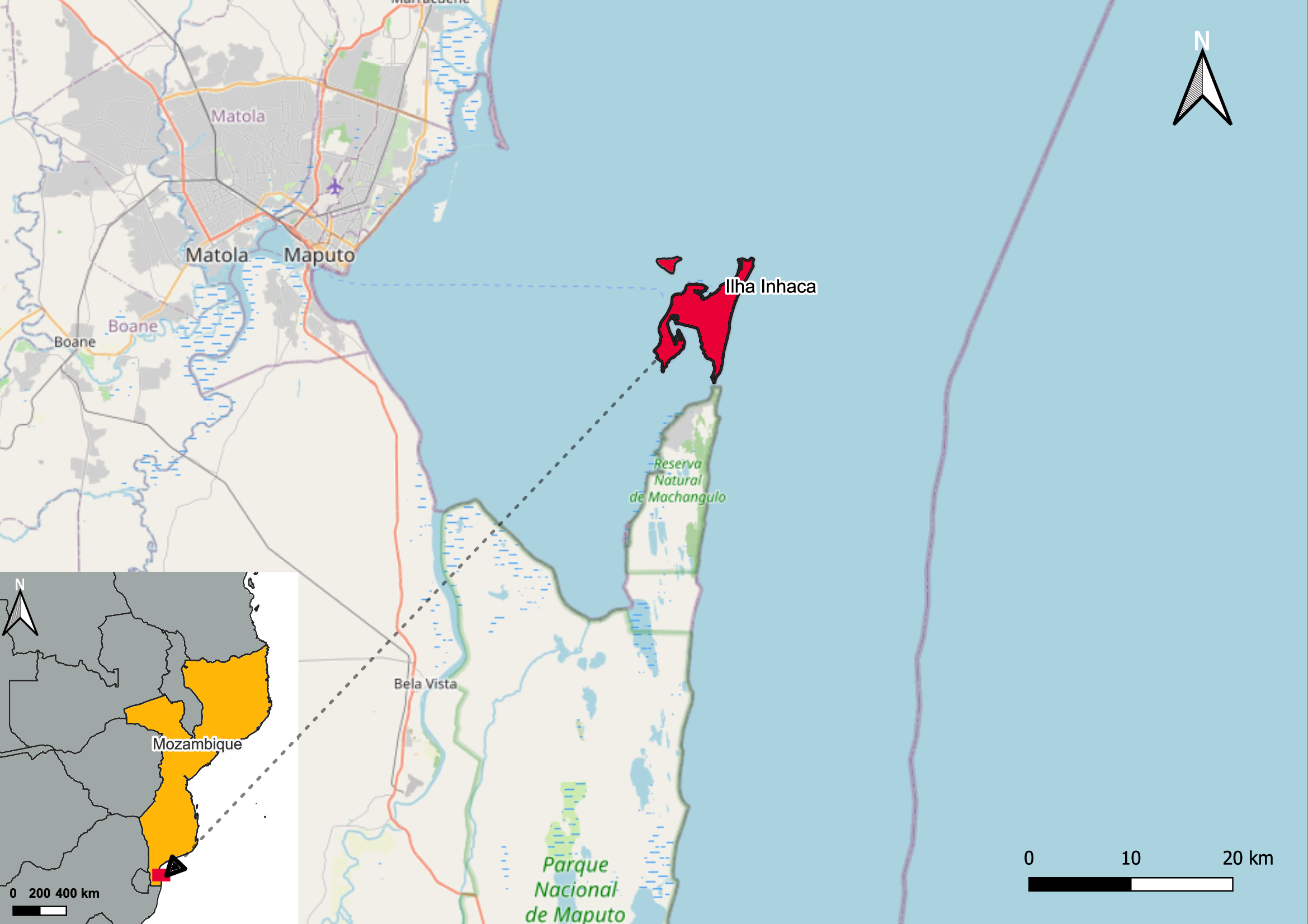
Inhaca Island, also known as KaNyaka, covers 42 km² off the coast of Maputo, Mozambique’s capital. Since 2009, it has been part of the Ponta do Ouro Partial Marine Reserve (RMPPO1), yet much of the island’s population remains unaware of the reserve’s existence. Only those involved in community-based resource management know about it. This raises a central question: how are KaNyaka’s local communities involved in managing the RMPPO?
During the first half of 2026, Inès Duquesnoy undertook a field-based internship within BRIDGES CO-CONSTRUCTION to examine the benefits and drawbacks of marine conservation arrangements for the island’s inhabitants. Combining historical, geographical and anthropological approaches with reflections on transboundary conservation in Mozambique, particularly marine conservation, she explored the dynamics at play:
How does marine conservation reshape the use of natural resources by people and organisations in the region? How do these changes reveal issues of environmental justice?
Understanding and analysing everyday lives closely tied to fishing
This internship combined fieldwork with theoretical analysis.
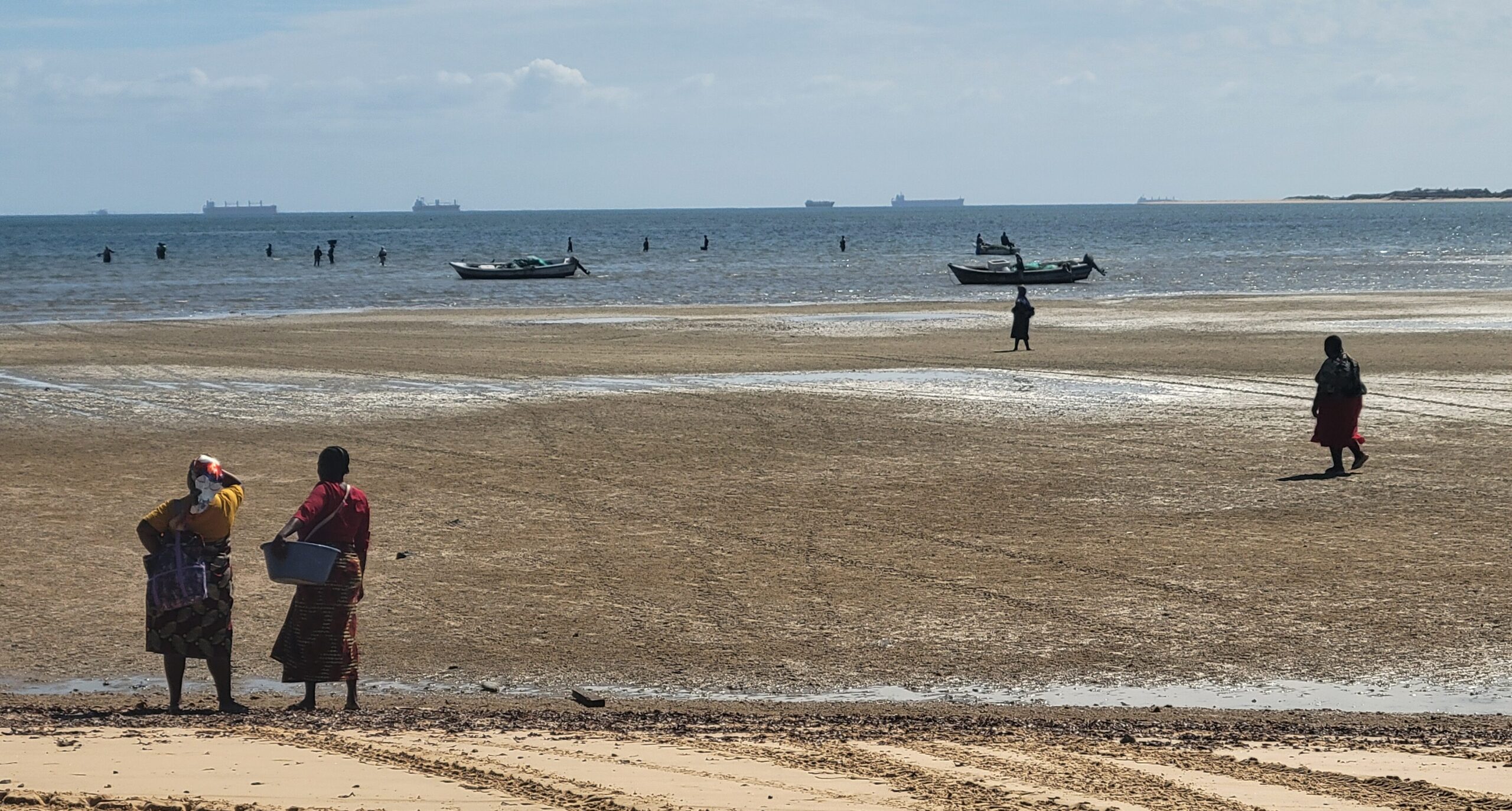
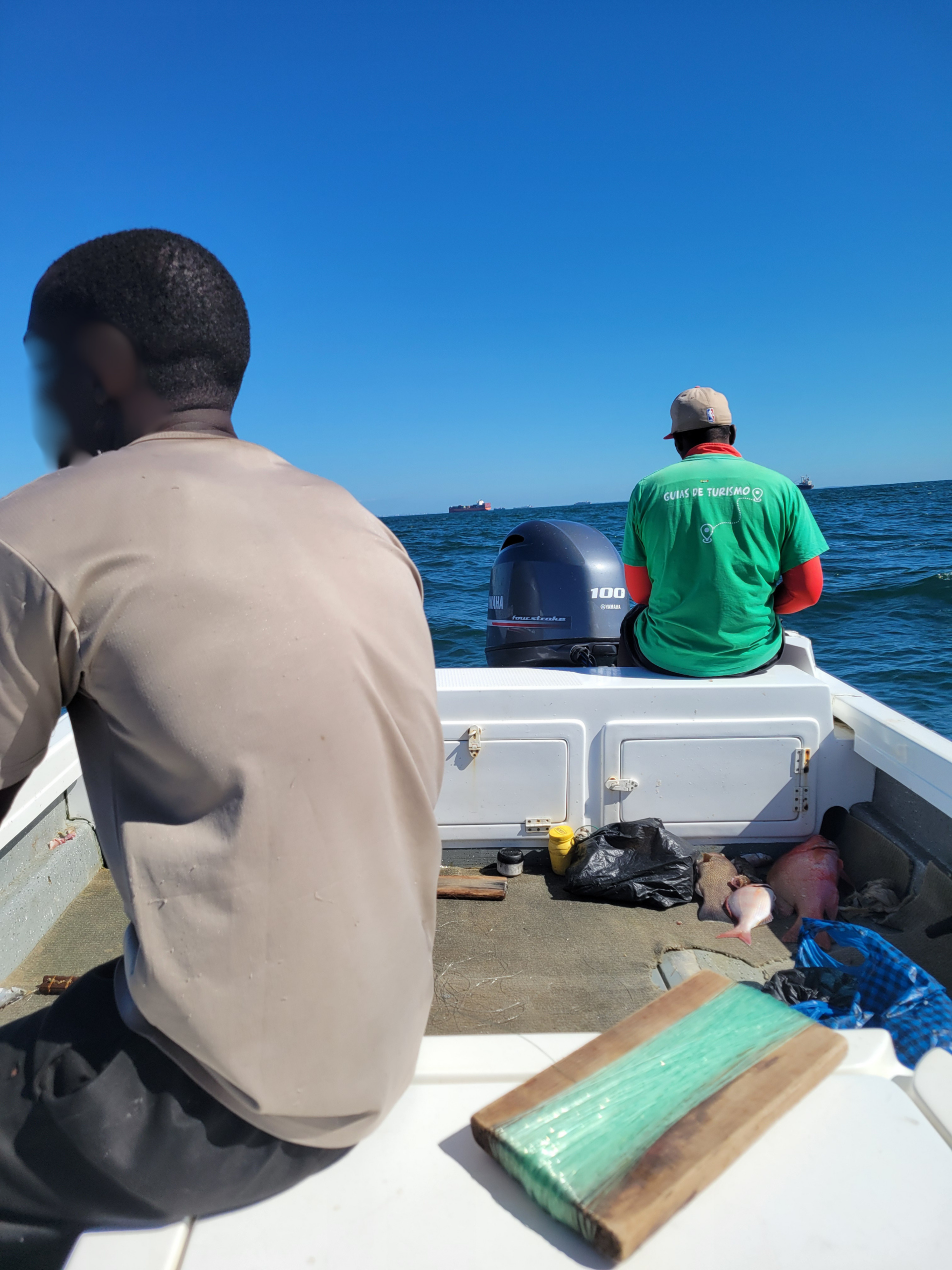
Over several weeks, Inès conducted around forty interviews in Portuguese with fishers, maguevas (women fish traders) and other local stakeholders. She observed fishing practices and collected nine participatory maps drawn by fishers to identify fishing grounds and areas where fishing is prohibited. This work draws on the conceptual framework of environmental justice, which examines the fairness of conservation arrangements by considering how risks and benefits are distributed, the extent of community involvement in governance, and the recognition of local knowledge.
These data informed her master’s dissertation, entitled “‘Nós dependemos do mar’: Marine Conservation and Environmental Injustices in KaNyaka, Mozambique,” supervised by Stéphanie Duvail (IRD, PALOC) and Uacitissa Mandamule (Observatório do Meio Rural).
Conclusion: between dependence and marginalisation
“Se não tivéssemos a reserva, já não teríamos peixe. O peixe depende da reserva […] É muito importante para a KaNyaka, porque dependemos do mar.”
“If we did not have the reserve, we would have no fish left. The fish depends on the reserve […] It is very important for KaNyaka because we depend on the sea.”
— Excerpt from an interview with Ofelia (a pseudonym), a magueva.
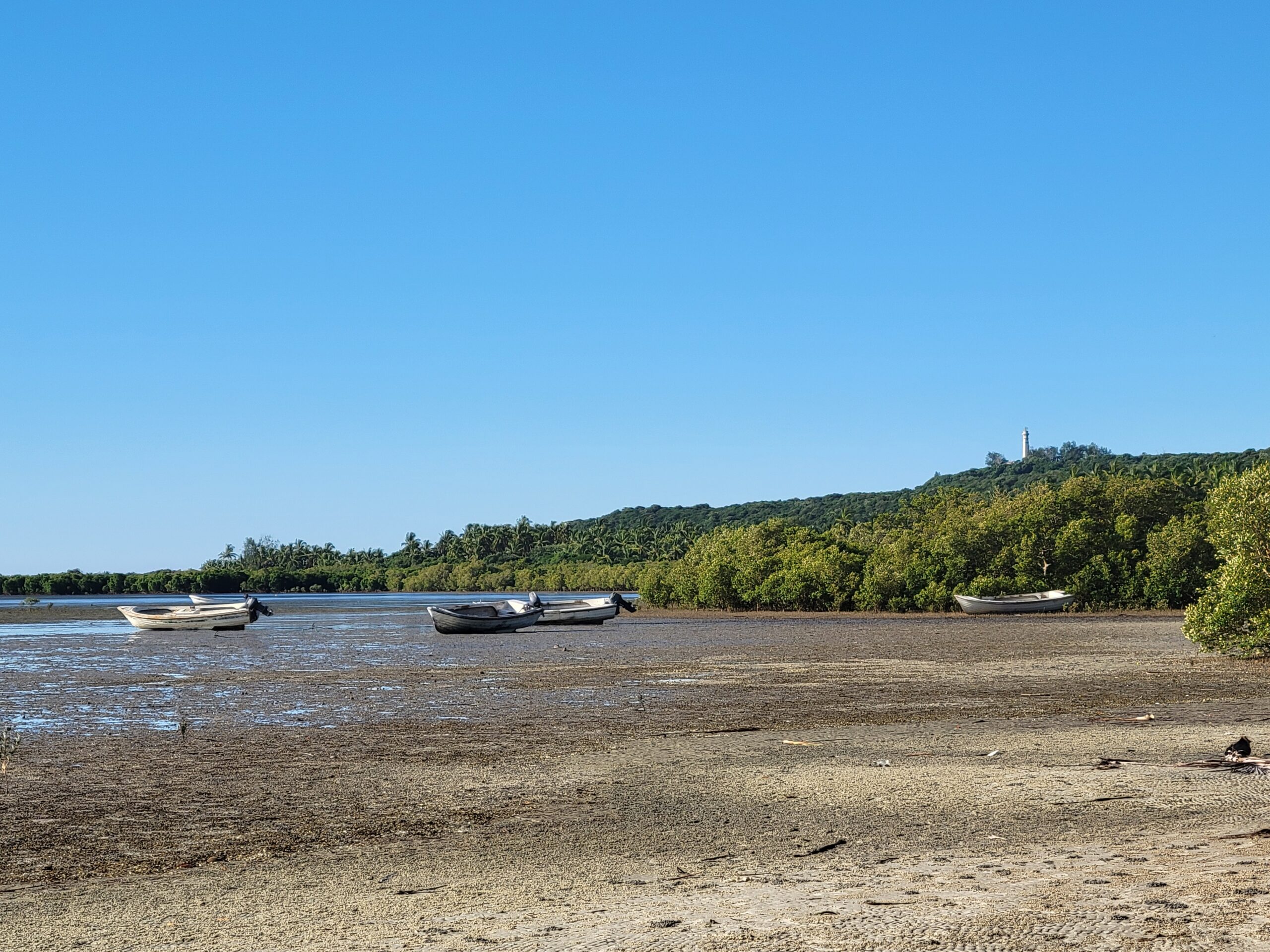
In KaNyaka, fishing shapes everyday life. Mainly conducted from boats using lines or nets, it takes place in Maputo Bay, west of the island, and in the Indian Ocean, to the east. Fishing is socially organised and reveals significant gender relations. Access to community-based fisheries management bodies (CCPs — Conselhos Comunitários de Pesca, or Community Fisheries Councils) remains unequal: only some fishers participate, while maguevas are often excluded. Yet these bodies provide opportunities for dialogue with institutions and conservation stakeholders.
Despite stated ambitions to empower communities, governance continues to rely on tightly controlled, top-down procedures. To compensate for restrictions on fishing activities, particularly seasonal fishing closures, the authorities provide financial and material support, but access to this support remains unequal. Achieving greater environmental justice requires better inclusion of customary authorities and Inhaca’s population in local decision-making.
Limitations of the study
This study provides an initial understanding of the environmental injustices associated with marine conservation arrangements in KaNyaka, including the RMPPO. However, an environmental justice approach also requires examining how communities perceive and respond to these injustices.
According to Schlosberg (2004), environmental justice depends on cultural and territorial contexts. For Blanchon et al. (2009), it is more concerned with societies’ relationships with their environment than with determining ecological processes. More extensive ethnographic research would therefore be needed to fully understand the situation in KaNyaka.
Furthermore, communities of justice are grounded in how individuals organise to address injustices — an approach Thiann-Bo (2021) describes as “people taking it upon themselves to deliver justice for nature.” However, this fieldwork primarily revealed individual responses. Further research will need to explore forms of community organisation in KaNyaka and their capacity to address injustices.
Biosketch
Inès Duquesnoy is a second-year master’s student in Biodiversity, Ecology and Evolution at the French National Museum of Natural History in Paris, following the Societies and Biodiversity track, with a specialisation in Cultural Diversity and Biological Diversity. With a background in the humanities and social sciences, she is interested in marine protected areas, their consequences for fishing communities, and their emergence in national and international policies.
Following a first master’s internship supervised by Catherine Aubertin (economist, IRD) on the Third United Nations Ocean Conference, she undertook an internship supervised by Stéphanie Duvail (geographer, IRD) on environmental justice on Inhaca Island (KaNyaka), within the Ponta do Ouro Partial Marine Reserve, part of Maputo National Park in Mozambique.
She hopes to pursue this topic further through a PhD in geography and anthropology, also supervised by Stéphanie Duvail, for which she plans to apply in 2027.
Inès Duquesnoy’s Complete Internship Report: https://www.bridges-wio.com/wp-content/uploads/2026/10/M2_MEMOIRE_DUQUESNOY_INHACA.pdf
References
- Blanchon, D., Moreau, S., & Veyret, Y. (2009). Comprendre et construire la justice environnementale: Annales de géographie, n° 665-666(1), 35‑60. https://doi.org/10.3917/ag.665.0035
- Schlosberg, D. (2004). Reconceiving Environmental Justice : Global Movements And Political Theories. Environmental Politics, 13(3), 517‑540. https://doi.org/10.1080/0964401042000229025
- Thiann-Bo, M. (2021). Justice environnementale et participation : Retour sur les principes de justice des personnes enquêtées à La Réunion. Revue juridique de l’Océan Indien, 31, 141‑154.
- Established in 2009, the Ponta do Ouro Partial Marine Reserve (RMPPO) operates within a complex transboundary framework: administered by ANAC (Administração Nacional das Áreas de Conservação) and the Peace Parks Foundation (PPF), it connects Maputo National Park in Mozambique with iSimangaliso Wetland Park in South Africa. ↩︎
More news News